
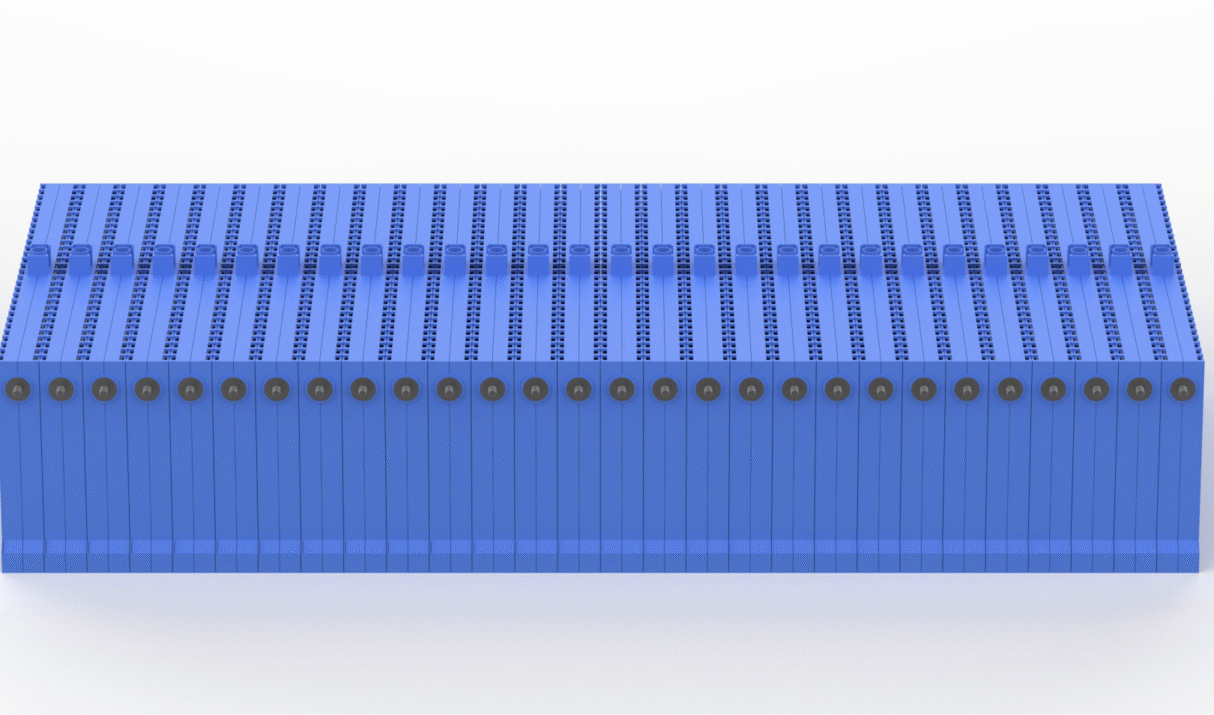

The heart of the Lexus RX Hybrid’s performance lies in its advanced hybrid powertrain, which includes the use of nickel-metal hydride (NiMH) batteries. While most drivers are familiar with the basics of how hybrid systems work, the specific advantages of NiMH batteries in the RX Hybrid models are less well-known but play a crucial role
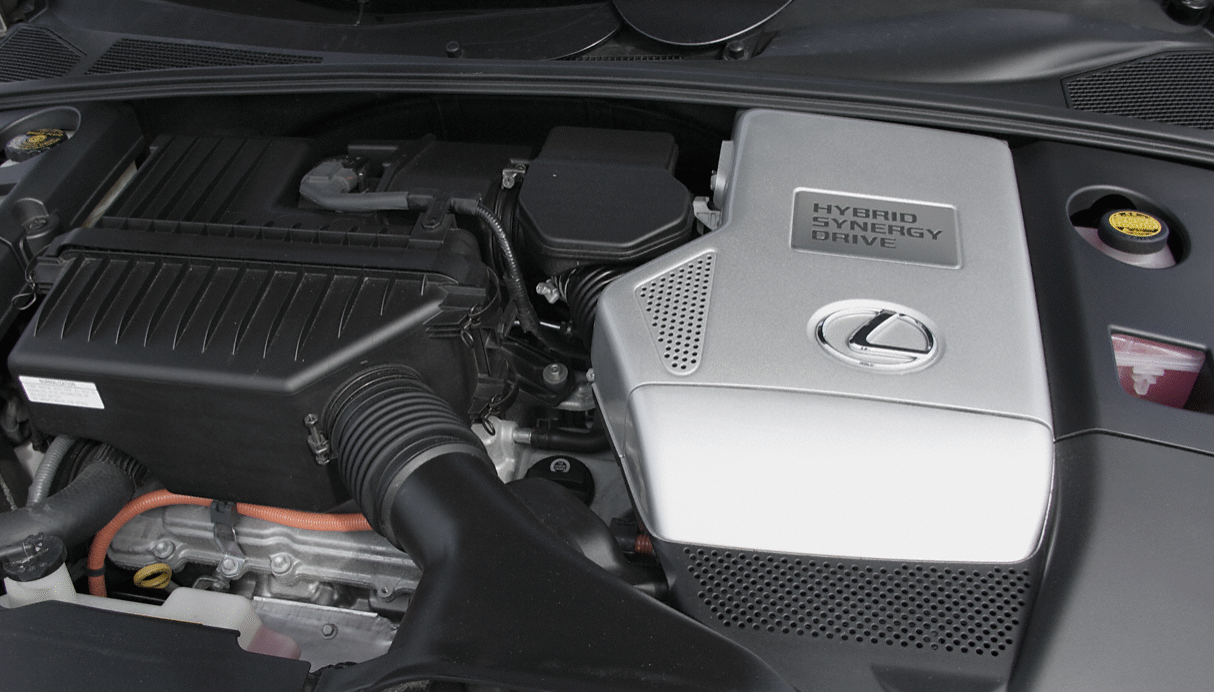
As we continue to explore the legacy of the Lexus RX Hybrid, it is important to focus not only on its rich history but also on the advancements that have been made in terms of performance and efficiency over the years. Since the introduction of the RX 400h in 2005, the RX Hybrid lineup has
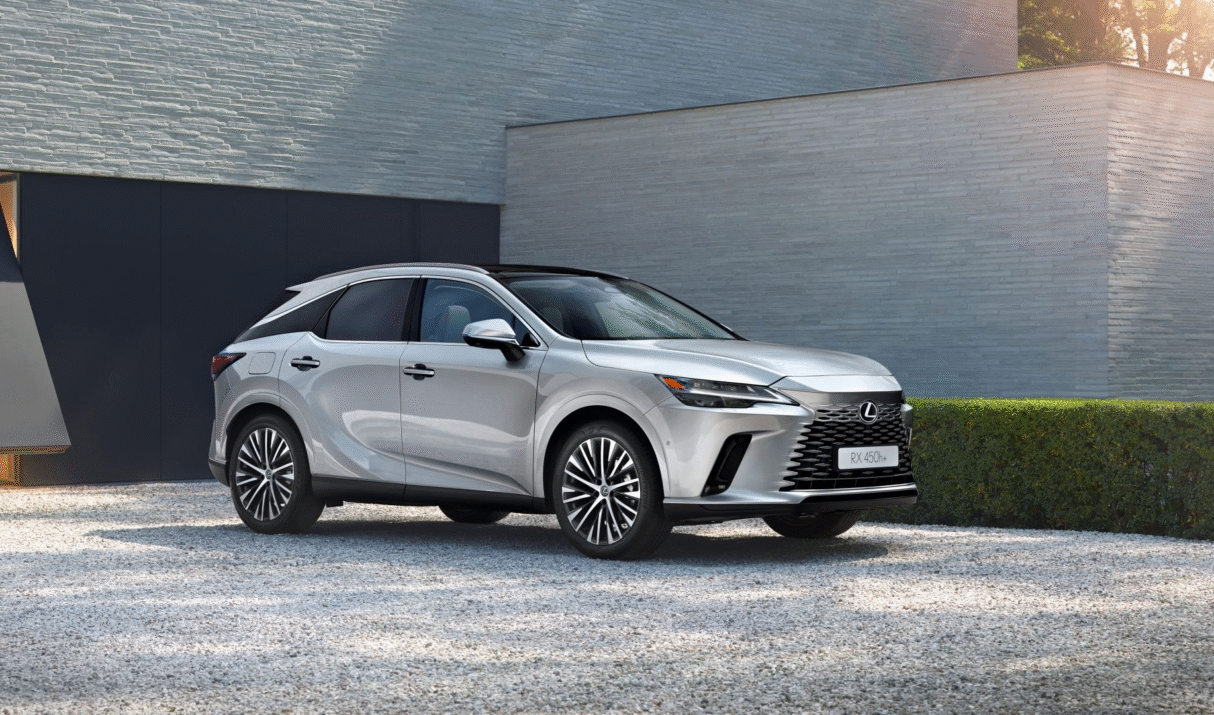
The Lexus RX has long been a symbol of luxury and innovation, and its hybrid variant takes this legacy to the next level. Introduced in 2005, the Lexus RX 400h was one of the first luxury hybrid SUVs to enter the market, offering an unmatched combination of performance, efficiency, and refinement. But how did this
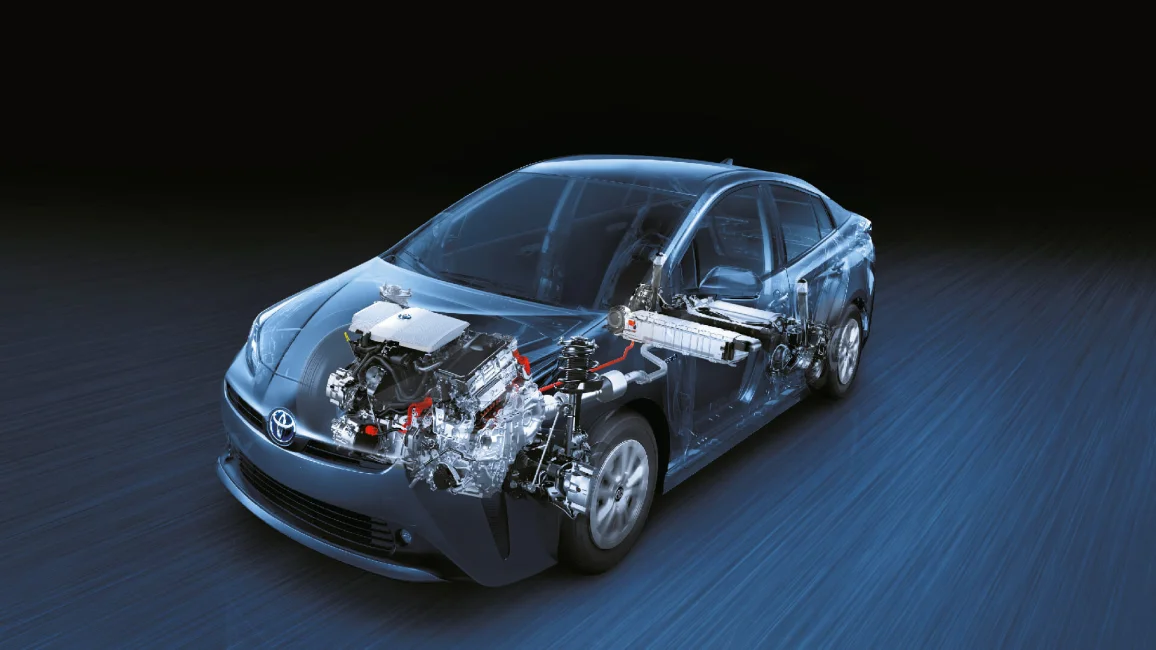
As we’ve seen in the previous parts of this series, Toyota’s hybrid technology has undergone significant transformations—from the revolutionary 7.2V NiMH battery that powered the first-generation Prius to the eventual shift to lithium-ion batteries in subsequent models. These advancements allowed Toyota to stay at the forefront of the hybrid revolution, creating vehicles that are more
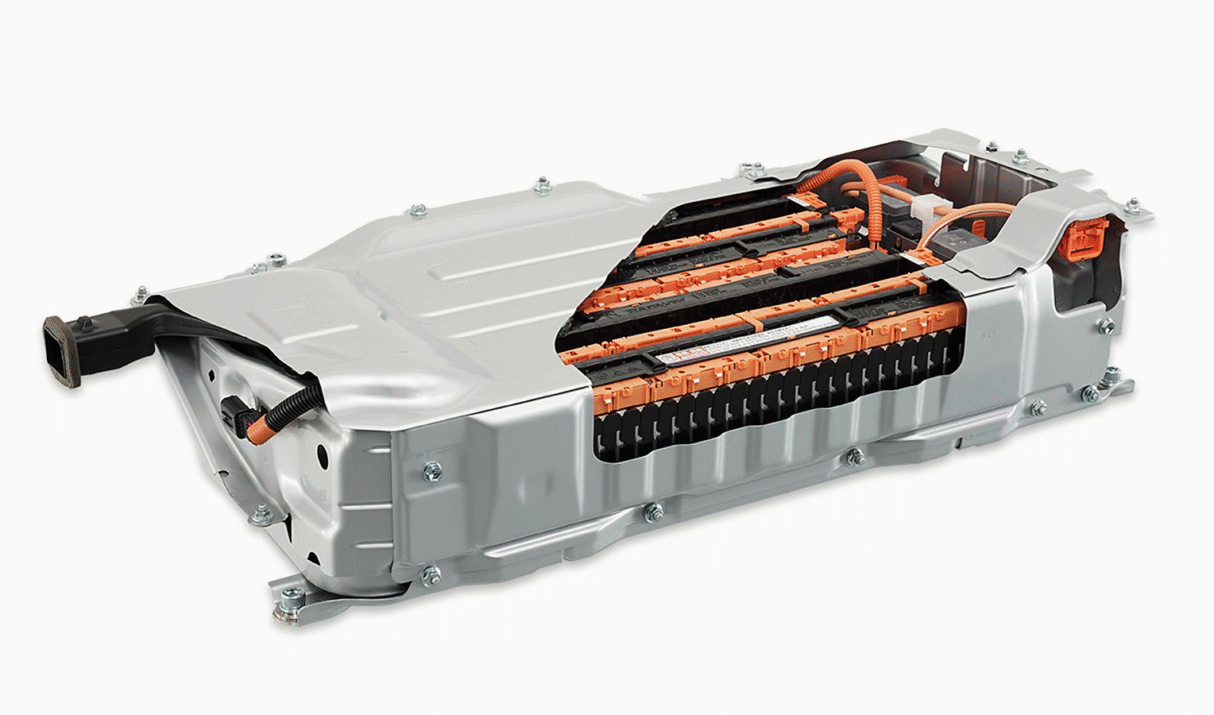
By the time Toyota’s third-generation Prius was released in 2009, the hybrid vehicle landscape had matured, and so had the technology behind Toyota’s hybrid powertrain. The 7.2V nickel-metal hydride (NiMH) battery, once the flagship of Toyota’s hybrid systems, had proven its worth over a decade of use in the first and second-generation Prius models. However,
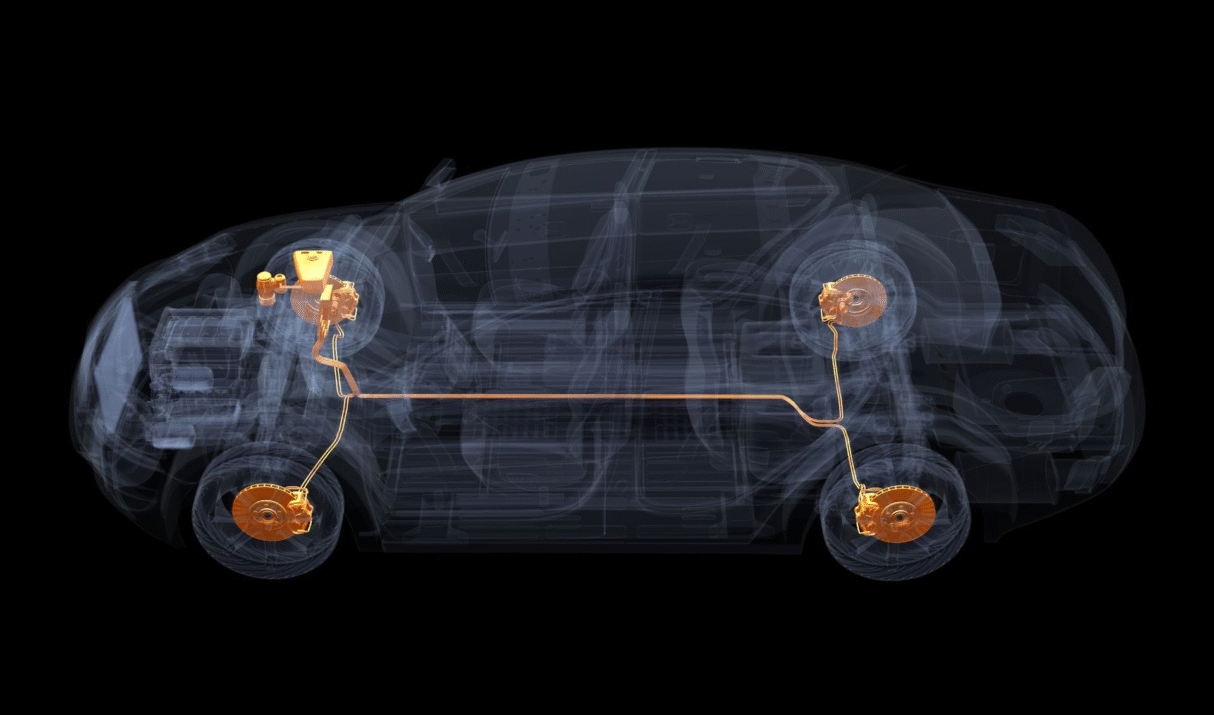
As we discussed in Pt. 1, Toyota’s 7.2V NiMH (Nickel-Metal Hydride) battery was a crucial component in the development of the Prius, which became the world’s first mass-produced hybrid vehicle. But as the years passed, the automotive landscape and consumer needs continued to evolve. To meet these growing demands for better performance, longer battery life,