
As we’ve seen in the previous parts of this series, Toyota’s hybrid technology has undergone significant transformations—from the revolutionary 7.2V NiMH battery that powered the first-generation Prius to the eventual shift to lithium-ion batteries in subsequent models. These advancements allowed Toyota to stay at the forefront of the hybrid revolution, creating vehicles that are more efficient, sustainable, and aligned with the evolving needs of eco-conscious consumers. However, as the automotive industry continues to shift toward full electrification, the next phase of Toyota’s journey is about going beyond hybrid technology and embracing the electric future.
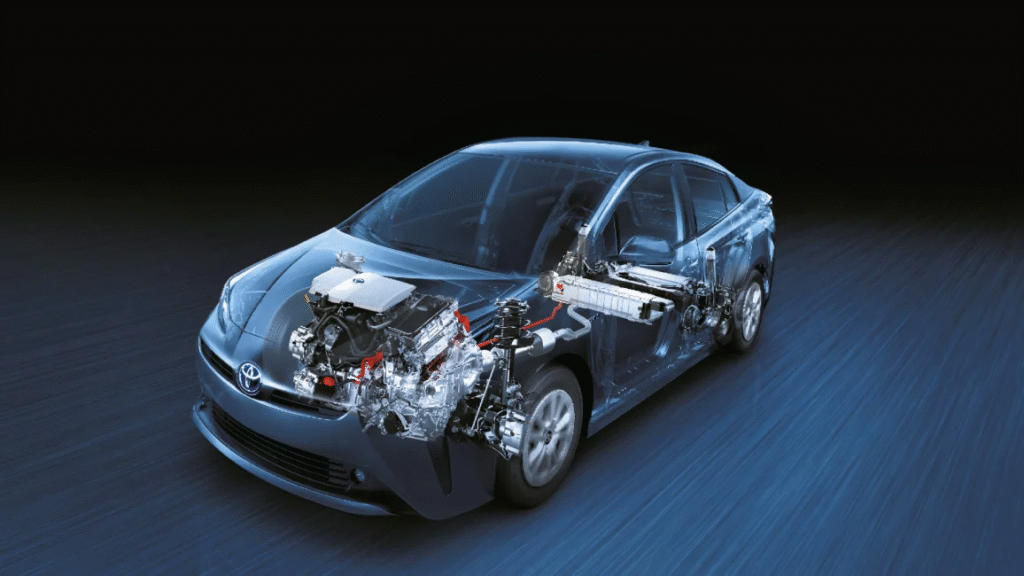
In this final installment, we will take a look at how Toyota is positioning itself for the future of transportation. We’ll explore the cutting-edge battery technologies the company is developing, its vision for expanding its hybrid and electric vehicle lineup, and the broader challenges and opportunities it faces as it works toward achieving a carbon-neutral future.
The Road to Carbon Neutrality: Toyota’s 2050 Vision
As the automotive industry grapples with the need to address climate change, Toyota has set an ambitious goal: to achieve carbon neutrality by 2050. The company’s sustainability agenda includes not only reducing emissions from its vehicles but also cutting down on its overall environmental footprint through the development of cleaner manufacturing processes and the use of renewable energy in production.
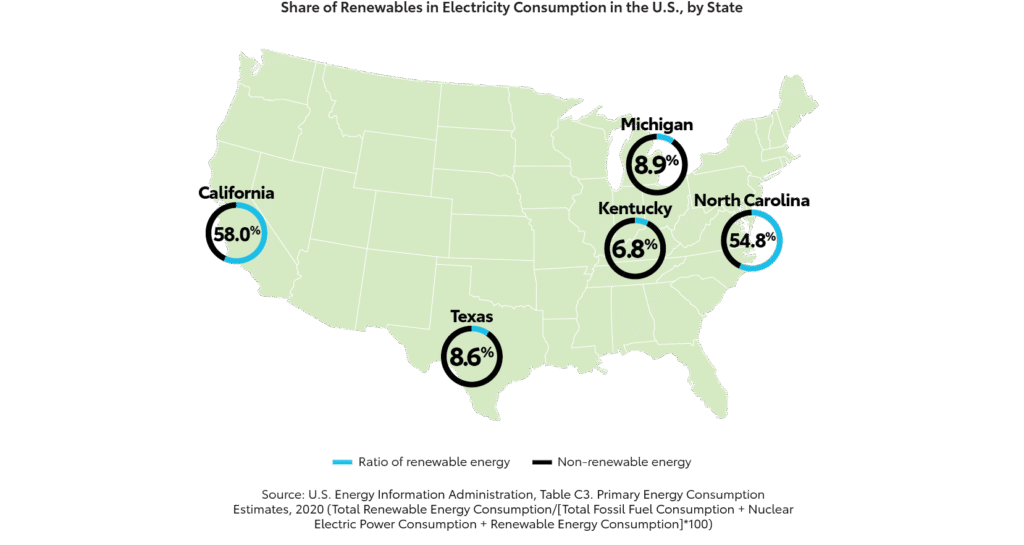
One of the primary ways Toyota is working to achieve this goal is by expanding its portfolio of hybrid and electric vehicles. Toyota’s strategy includes both the gradual electrification of its existing models and the introduction of new fully electric vehicles (EVs). The company has already committed to electrifying its entire fleet by 2025, with plans to launch more than 10 new EVs in the coming years, including a range of crossovers, sedans, and commercial vehicles. By offering a variety of electric vehicle options, Toyota aims to meet the needs of different market segments, ensuring that consumers can make a sustainable choice without compromising on performance or convenience.
The shift to a fully electrified fleet is part of Toyota’s broader vision for a sustainable future. In addition to producing more hybrid and electric vehicles, Toyota is also investing in the development of green technologies that can further reduce the carbon footprint of its vehicles. For example, the company is focusing on improving energy efficiency in manufacturing, reducing the use of rare materials in batteries, and finding ways to recycle and repurpose old batteries.
Solid-State Batteries: The Next Frontier
One of the most exciting developments in Toyota’s electrification journey is its work on solid-state batteries. These next-generation batteries hold the potential to significantly outperform current lithium-ion (Li-ion) batteries in terms of energy density, safety, and environmental impact. In simple terms, solid-state batteries use a solid electrolyte instead of a liquid one, which makes them both more energy-dense and safer than traditional Li-ion batteries.
Toyota has been a pioneer in solid-state battery technology for years and has made significant progress in developing this technology. In fact, the company has announced that it plans to have solid-state batteries ready for commercial use in electric vehicles by the early 2020s. Solid-state batteries could provide several key benefits:
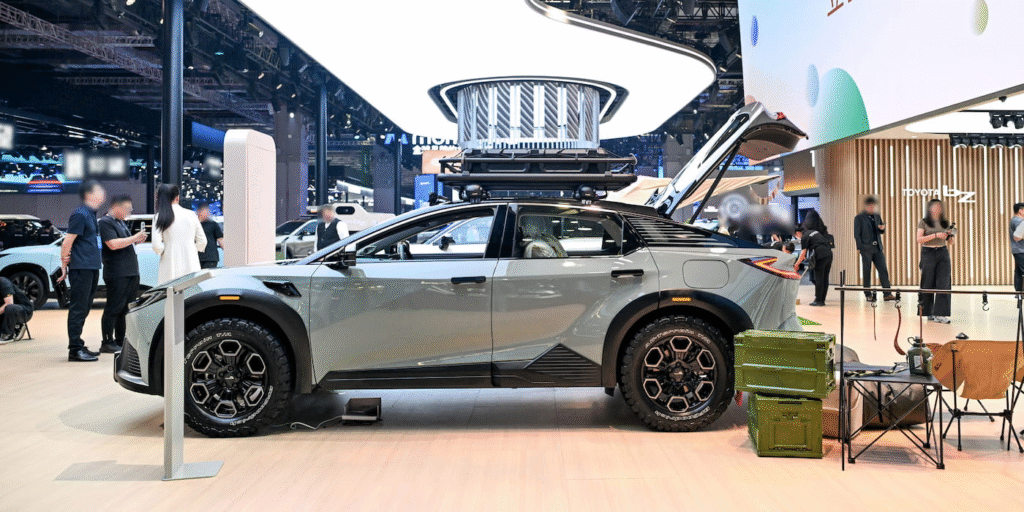
- Higher Energy Density: Solid-state batteries can store more energy in a smaller and lighter package, allowing electric vehicles to go farther on a single charge without increasing the vehicle’s weight. This could drastically improve the driving range of electric vehicles and reduce range anxiety—a key concern for consumers considering an EV.
- Faster Charging: Solid-state batteries have the potential to charge more quickly than traditional Li-ion batteries. With faster charging times, electric vehicles could become more convenient to use, particularly for long-distance travel.
- Improved Safety: Solid-state batteries are less prone to overheating and are less likely to catch fire compared to conventional lithium-ion batteries. This makes them a safer option for automotive applications, where battery safety is a critical concern.
- Lower Environmental Impact: Solid-state batteries can be made from more abundant and less harmful materials than lithium-ion batteries, which rely on rare metals such as cobalt and nickel. This could help reduce the environmental impact of battery production and make electric vehicles more sustainable in the long run.
The promise of solid-state batteries represents a major leap forward for Toyota and the automotive industry as a whole. By adopting this technology, Toyota could not only improve the performance of its electric vehicles but also help accelerate the transition to a more sustainable and efficient transportation ecosystem.
The Transition to Fully Electric Vehicles: Toyota’s EV Strategy
While Toyota has long been a leader in hybrid technology, it has been somewhat more cautious about fully committing to electric vehicles. This cautious approach can be attributed to several factors, including concerns over battery technology, the limited range of early electric vehicles, and the infrastructure challenges associated with EV adoption. However, the company has now embraced the electric future and is working to expand its lineup of fully electric vehicles.
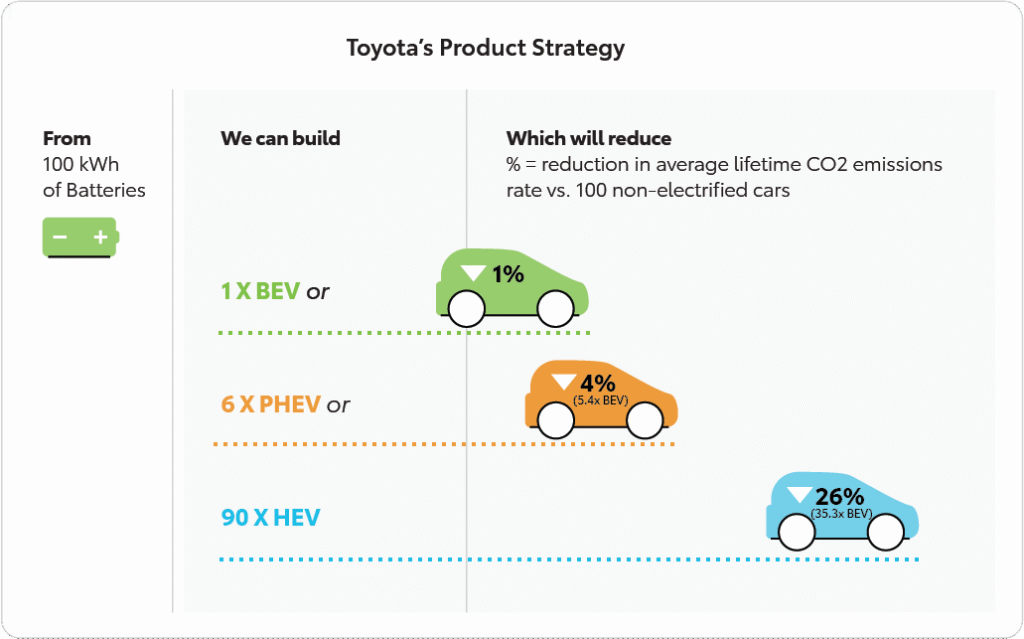
Toyota’s first mass-market EV, the Toyota bZ4X, was launched in 2022 as part of the company’s new “bZ” (beyond Zero) series of electric vehicles. The bZ4X is a compact crossover that represents Toyota’s initial foray into the fully electric vehicle market. Built on a platform shared with Subaru’s electric vehicle, the bZ4X is designed to offer a practical and affordable alternative to traditional gasoline-powered crossovers, with a driving range of over 250 miles on a single charge.
The launch of the bZ4X is just the beginning for Toyota. The company has announced plans to launch several additional electric vehicles in the coming years, including a sedan, a larger SUV, and a range of commercial vehicles. This aggressive EV strategy is aimed at increasing Toyota’s share of the global electric vehicle market, which is expected to grow rapidly as more consumers shift toward cleaner, more sustainable transportation options.
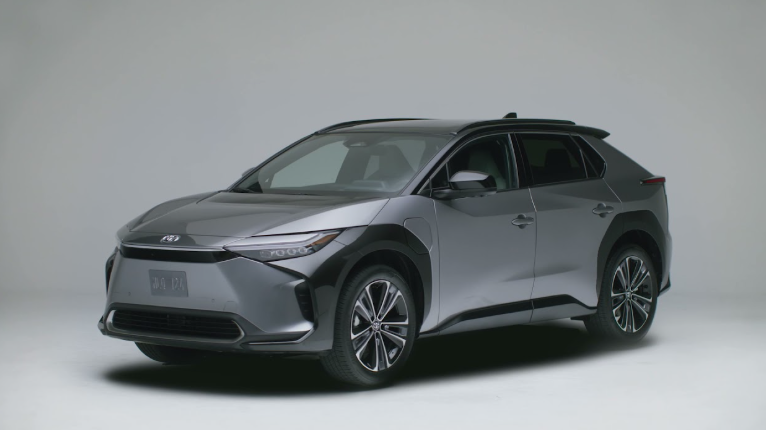
While Toyota’s focus on hybrids and fuel-cell vehicles may have delayed its full transition to electric vehicles, the company is now investing heavily in EV infrastructure and battery technology to ensure it remains competitive in the rapidly evolving EV market. Toyota is also working on improving the efficiency of its electric powertrains, reducing the cost of batteries, and exploring alternative charging solutions to make EV ownership more convenient.
Hydrogen Fuel Cells: Another Path to Electrification
In addition to its hybrid and electric vehicle efforts, Toyota is also a strong proponent of hydrogen fuel cell technology. While hydrogen fuel cells are not as widely adopted as battery electric vehicles, Toyota believes that hydrogen has an important role to play in the future of transportation, particularly for larger vehicles and commercial fleets that require long-range, fast refueling capabilities.
The Toyota Mirai, a hydrogen fuel cell electric vehicle (FCEV), is one of the company’s most notable fuel-cell vehicles. The Mirai uses a hydrogen-powered fuel cell to generate electricity, which is then used to power the vehicle’s electric motor. Unlike battery electric vehicles, which need to be plugged in to recharge, hydrogen fuel cell vehicles can be refueled in a matter of minutes at hydrogen stations.
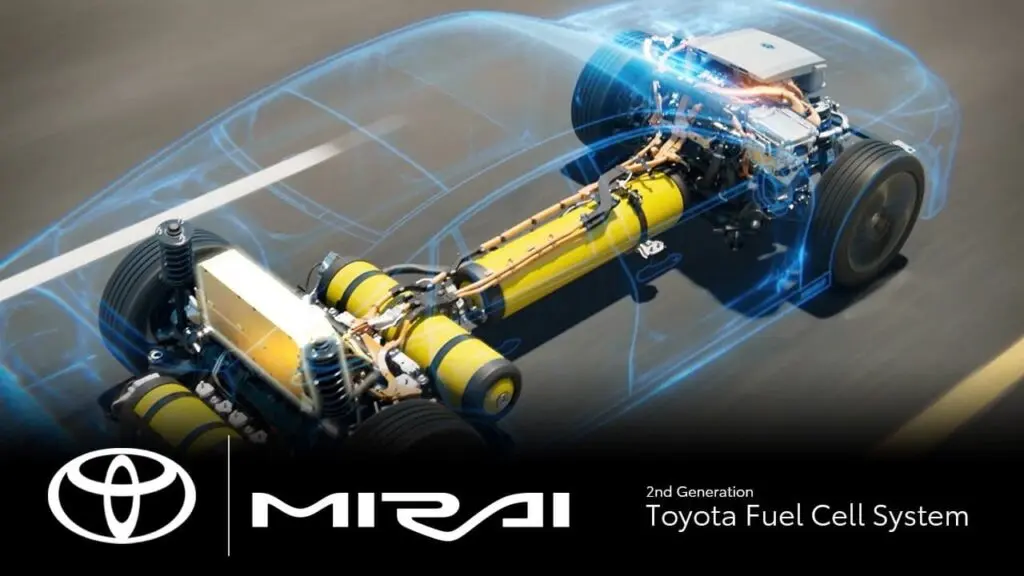
Toyota sees hydrogen as a complementary technology to battery electric vehicles, particularly for applications that require rapid refueling and long-range capabilities, such as trucks, buses, and heavy-duty vehicles. The company is investing in hydrogen infrastructure, including the development of hydrogen refueling stations, to make this technology more accessible to consumers and businesses.
Although hydrogen fuel cell vehicles currently face significant challenges, including limited refueling infrastructure and the high cost of fuel cell technology, Toyota remains committed to exploring this technology as part of its broader sustainability strategy. The company believes that hydrogen could play a key role in reducing carbon emissions from the transportation sector and help diversify the options available to consumers seeking zero-emission vehicles.
Toyota’s Commitment to Sustainability
Beyond just the vehicles themselves, Toyota is also focused on making its entire production process more sustainable. This includes efforts to reduce energy consumption in manufacturing, improve recycling programs for old batteries, and reduce the use of rare and harmful materials in battery production. Toyota’s vision for a sustainable future goes beyond just building electric and hybrid cars—it encompasses every aspect of the automotive lifecycle, from production to end-of-life disposal.
Toyota is also exploring ways to make its vehicles more recyclable and reusable, which is particularly important as the world moves toward a more circular economy. This includes developing new materials and manufacturing processes that minimize waste and make it easier to repurpose vehicle components at the end of their life.
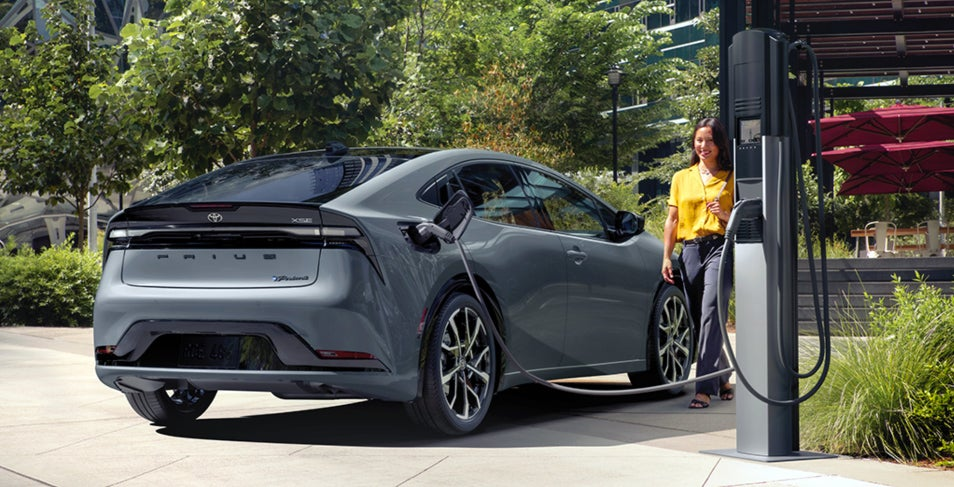
The company’s long-term sustainability goals also include the development of energy-efficient factories, the use of renewable energy sources in production, and reducing the overall environmental impact of its operations. By focusing on sustainability at every level, Toyota aims to reduce its carbon footprint and contribute to global efforts to combat climate change.
Conclusion: The Legacy of the 7.2V Battery and the Path Ahead
The 7.2V NiMH battery, while no longer in use in Toyota’s hybrid and electric vehicles, holds an important place in the company’s history. It helped launch the hybrid revolution and set the stage for the widespread adoption of cleaner, more fuel-efficient vehicles. However, as Toyota looks toward the future, it is clear that the company is committed to pushing the boundaries of battery and powertrain technology.
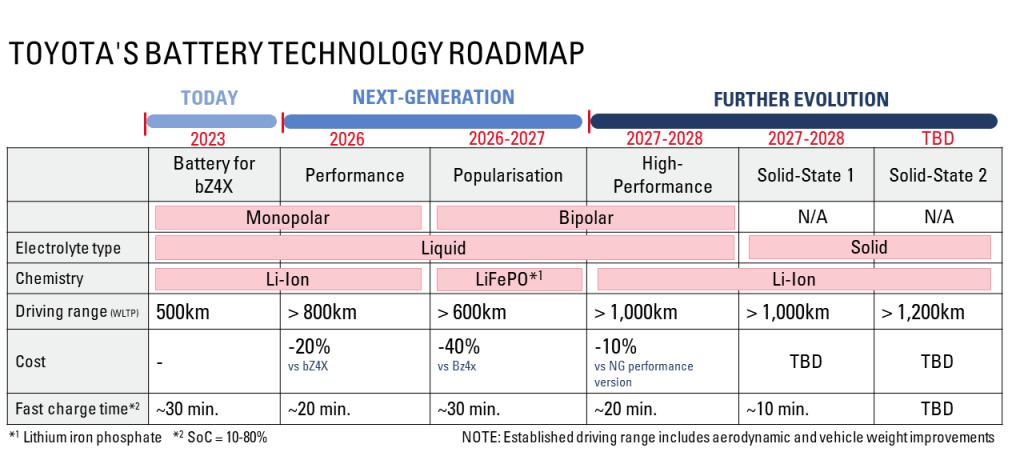
With its investments in solid-state batteries, fully electric vehicles, hydrogen fuel cells, and sustainability initiatives, Toyota is positioning itself as a leader in the next generation of transportation. The future of mobility is electric, and Toyota is not just adapting to this change—it is helping to drive it.
As we look ahead to a world where electric vehicles dominate the roads.