
The Heart of the Hybrid: Understanding the NiMH Battery
The Toyota Yaris Hybrid’s remarkable success in Italy—and across Europe—rests on a relatively small but extraordinarily sophisticated component hidden beneath the rear seats. This is the high‑voltage traction battery, a nickel‑metal hydride (NiMH) unit that stores the electrical energy powering the car’s electric motor. To understand why the Yaris Hybrid has become such a beloved fixture on Italian roads, and why a substantial replacement market has emerged as these cars age, we must first understand what makes this battery special.
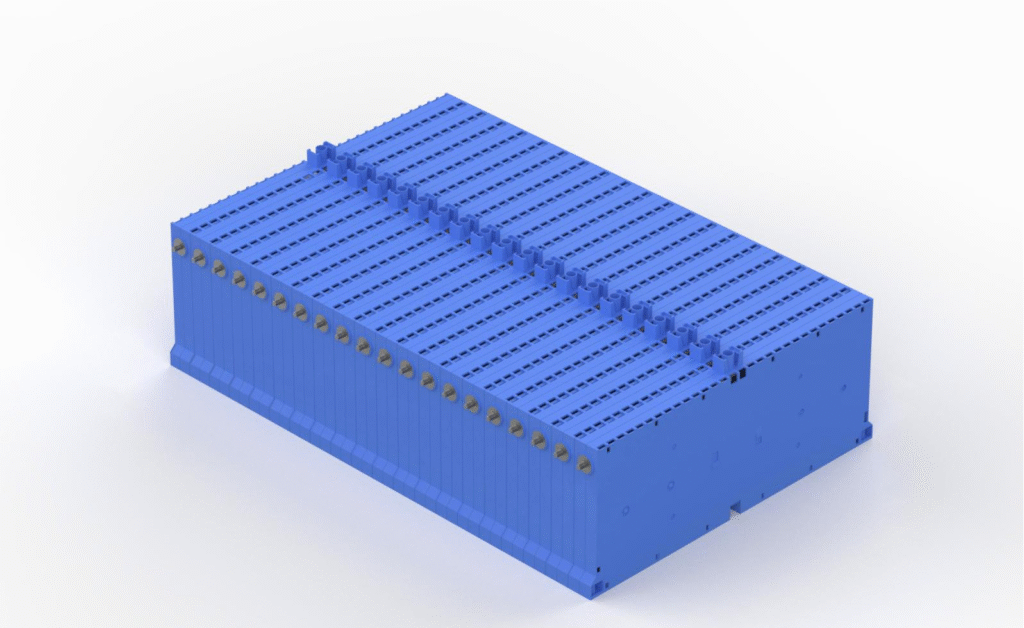
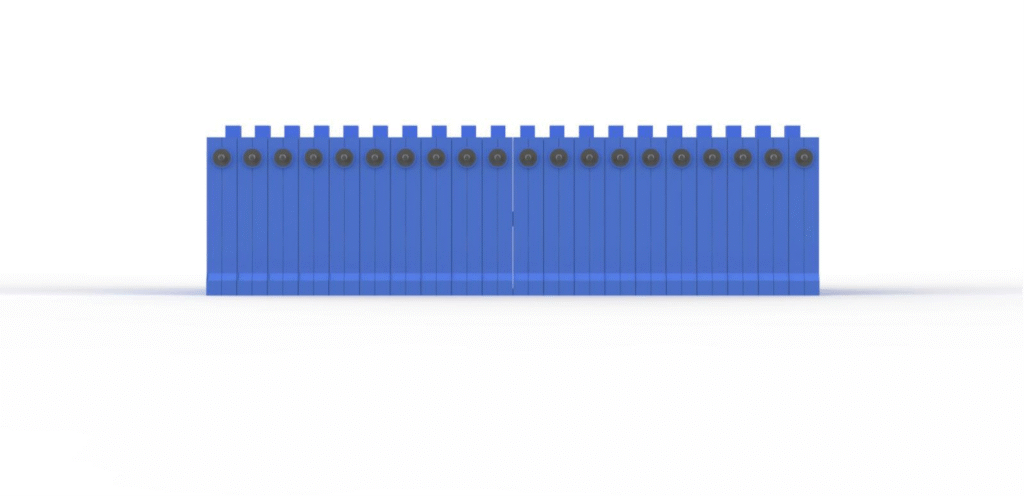
The battery assembly in the third‑generation Yaris Hybrid (NHP130 series) is a marvel of compact engineering. It consists of 20 low‑voltage NiMH battery modules connected in series, each providing 7.2 volts. When combined, these 20 modules generate a nominal system voltage of approximately 144 volts. This is significantly lower than the 200‑300V batteries found in larger Toyota hybrids like the Prius or Camry, reflecting the Yaris Hybrid’s smaller physical footprint and lower power requirements.
Each module is non‑spillable and contained within a sealed case, making the overall battery pack safe, durable, and maintenance‑free under normal operating conditions. The total capacity of the pack is rated at 6.5 ampere‑hours (Ah), delivering enough stored energy to power the electric motor during low‑speed urban driving and provide additional assistance during acceleration.
The choice of nickel‑metal hydride chemistry was deliberate and significant. At the time of the Yaris Hybrid’s development, NiMH technology was mature, proven, and exceptionally reliable. Unlike early lithium‑ion batteries—which were more expensive and carried greater safety risks—NiMH batteries offered Toyota’s engineers predictable performance, excellent durability, and a long service life. They were also relatively tolerant of temperature variations and could operate effectively across the diverse climates of Europe, from the alpine winters of northern Italy to the baking summers of Sicily.
How the NiMH Battery Powers the Yaris Hybrid in Real‑World Italian Driving
The Yaris Hybrid’s battery does not work in isolation. It is an integral part of Toyota’s Hybrid Synergy Drive system, which seamlessly blends power from the petrol engine and the electric motor based on driving conditions. The battery’s role changes constantly: during gentle acceleration from a standstill, the electric motor draws power from the battery to move the car forward silently and without fuel consumption. During hard acceleration, the battery supplements the petrol engine, providing an extra burst of torque. During braking or coasting, the electric motor reverses its role, becoming a generator that captures kinetic energy and converts it back into electrical energy to recharge the battery.
This regenerative braking capability is crucial to the Yaris Hybrid’s remarkable fuel economy. In Italian cities like Rome, Naples, or Palermo—where stop‑start traffic is a daily reality—the battery is constantly being recharged during deceleration, meaning the car can spend an unusually high proportion of its operating time in all‑electric mode. For drivers navigating narrow medieval streets, repeatedly braking for pedestrians, and idling at traffic lights, the fuel savings add up quickly.
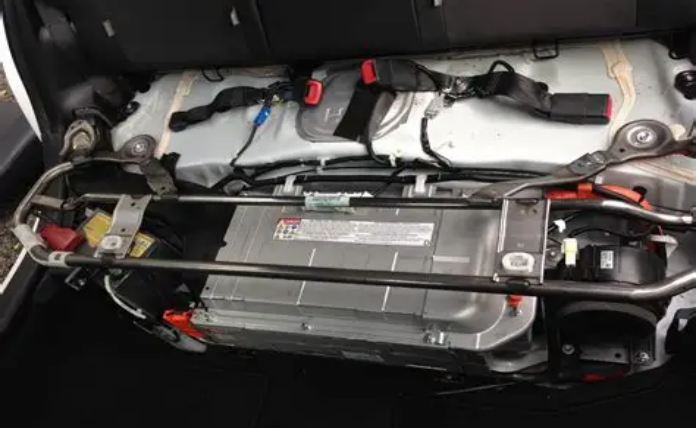
The battery management system (BMS) plays an equally important role. This sophisticated electronic controller constantly monitors each individual NiMH module, ensuring that no cell is overcharged or excessively discharged. It also manages the battery’s temperature using passive cooling (the battery pack is ventilated using cabin air), preventing overheating during sustained high-power operation or hot summer days. By carefully controlling charge and discharge cycles, the BMS maximises the battery’s lifespan and ensures consistent performance throughout its service life.
Expected Lifespan and Real‑World Performance
One of the most common questions asked by Yaris Hybrid owners—especially those who purchased their cars during the 2011‑2017 period and have now accumulated significant mileage—is how long the battery will last. The answer depends on several factors, but Toyota’s engineering has proven impressively durable.
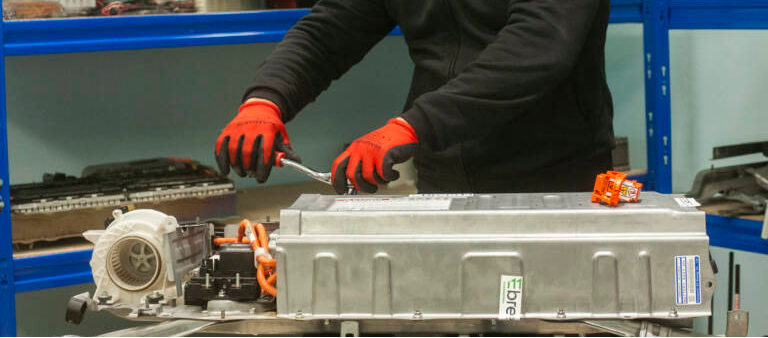
Under normal driving conditions, the Yaris Hybrid’s NiMH battery typically lasts between 8 to 10 years or 100,000 to 150,000 miles (approximately 160,000 to 240,000 kilometres), whichever comes first. These figures are broadly in line with Toyota’s own expectations and with real‑world owner reports. Many Yaris Hybrid owners in Italy have reported exceeding 150,000 kilometres without any noticeable degradation in fuel economy or electric‑only range.
However, certain factors can accelerate battery degradation. Extreme heat—such as the intense summer temperatures experienced in southern Italy—places additional stress on NiMH cells, potentially reducing their effective lifespan by 10‑20%. Infrequent use is another enemy of hybrid batteries. Cars that spend weeks or months parked without being driven can experience gradual self‑discharge that, if left unchecked, may lead to capacity loss and eventual failure. Short trips that never allow the battery to complete a full charge‑discharge cycle can also reduce lifespan, although this effect is less pronounced than with older hybrid designs.
The 12‑volt auxiliary battery—a conventional lead‑acid unit located elsewhere in the vehicle—has a much shorter lifespan, typically 3 to 5 years. Unfortunately, some owners mistake auxiliary battery failure for hybrid battery failure, leading to unnecessary concern. A failing 12‑volt battery can cause symptoms similar to hybrid battery issues, including sluggish starting and error codes on the dashboard. Proper diagnosis by a qualified technician is essential before assuming the high‑voltage battery needs replacement.
Signs Your Hybrid Battery May Be Failing
For owners of ageing Yaris Hybrids, recognising the early warning signs of battery degradation is essential. The most common symptoms include:
Noticeably reduced fuel economy. If your Yaris Hybrid’s fuel consumption has climbed from its usual 4‑5 litres per 100km to 7 litres or more, the battery may no longer be storing enough energy to assist the petrol engine effectively.
Inability to maintain electric‑only operation. A healthy Yaris Hybrid should be able to accelerate to around 30mph on electric power alone under gentle throttle. If the petrol engine cuts in almost immediately, even at low speeds, battery capacity may be diminished.
Increased engine running time. When the battery is healthy, the petrol engine shuts off automatically when the car is stationary at traffic lights or in heavy traffic. If the engine continues running unnecessarily, the battery may no longer be accepting or holding a charge properly.
Warning lights on the dashboard. The Yaris Hybrid’s onboard diagnostics will typically illuminate the master warning light, the hybrid system warning light, or other indicators when battery degradation passes a certain threshold. The P0A80 error code is specifically associated with hybrid battery deterioration.
It should be noted, however, that hybrid battery failure is relatively rare for Yaris Hybrids within their first 10 years of life. Toyota’s conservative engineering and high manufacturing standards mean that most batteries comfortably outlast the 8‑year warranty period originally offered with the vehicle.
The Replacement Market Emerges: A Huge Opportunity for New, Affordable Batteries
As the first wave of Yaris Hybrids (2011‑2014 models) passes the decade mark, a substantial replacement market has begun to emerge—and Italy is at the forefront. The combination of the Yaris Hybrid’s exceptional popularity in Italy, the country’s strong independent garage network, and growing consumer awareness of battery replacement options has created a significant business opportunity.
At a Toyota dealership, a brand‑new OEM (original equipment manufacturer) battery—installed with a full warranty—typically costs between €2,000 and €2,500 for the battery pack alone, with labour adding several hundred euros. This is a substantial expense, and for many owners of older Yaris Hybrids, it can approach or even exceed the market value of the car itself. As a result, thousands of Italian owners face a difficult choice: pay the dealer’s high price, or scrap a perfectly good car.
But there is a smarter, more affordable solution. Independent battery specialists now supply brand new, high‑quality aftermarket NiMH batteries specifically designed for the Yaris Hybrid. These are not refurbished units—they are freshly manufactured, using modern production techniques and quality control standards that often match or exceed the original Toyota specifications. And crucially, they are significantly cheaper than dealer prices.
Depending on the supplier, a complete brand‑new aftermarket battery pack for the Yaris Hybrid can be purchased for €1,000 to €1,600—a saving of 30‑50% compared to an official Toyota dealer. Some specialist suppliers have brought prices even lower, with online retailers offering new NiMH batteries for under €900 (excluding shipping and installation). When combined with labour costs from an independent garage, the total bill for a full hybrid battery replacement can be as low as €1,200‑1,800 – less than half of what a dealer would charge.
Why Brand New Aftermarket Batteries Are a Game‑Changer for Italian Yaris Hybrid Owners
For Italian drivers, the availability of affordable brand‑new aftermarket batteries changes the economics of hybrid ownership entirely. Instead of reluctantly scrapping a Yaris Hybrid that still has years of life left in its chassis and engine, owners can now replace the battery at a reasonable cost and continue driving for another 5‑10 years. This is especially important in a country like Italy, where the Yaris Hybrid remains enormously popular and many families have developed a genuine attachment to their cars.
The benefits extend beyond upfront cost. Brand‑new aftermarket batteries typically come with their own warranty—often 2 to 4 years or 50,000‑100,000 kilometres—giving owners the same peace of mind as a dealer‑supplied battery. Many aftermarket batteries also use updated cell chemistries or manufacturing improvements that can actually outperform the original Toyota battery in terms of capacity retention and cold‑weather performance.
Furthermore, because these batteries are new (not refurbished), they offer predictable, full capacity from day one. There is no risk of hidden degradation from previous use, no uncertainty about how many cycles the cells have already endured. For owners who plan to keep their Yaris Hybrid for many more years, a new aftermarket battery is a straightforward, reliable, and cost‑effective solution.
Market Potential: Italy’s Ageing Yaris Hybrid Fleet and the Demand for New Batteries
To understand the scale of the opportunity, it is helpful to consider the numbers. During the peak years of Yaris Hybrid sales in Europe—2015, 2016, and 2017—tens of thousands of these vehicles were registered in Italy alone. As the earliest examples (2011‑2013) pass the 10‑year mark, hundreds of thousands of Yaris Hybrids across Italy are now entering the age range where battery replacement may become necessary. Even if only 5‑10% of owners ultimately need a new battery, this represents a market worth tens of millions of euros – and growing year by year.
Several factors make Italian Yaris Hybrid owners particularly likely to seek new aftermarket battery replacement rather than paying dealer prices or scrapping their cars:
Strong emotional attachment – Italians genuinely love the Yaris Hybrid. It is seen as a clever, reliable, and stylish city car. Many owners are not ready to give it up.
Value consciousness – Italian drivers are famously practical. When presented with a new battery that costs half as much as the dealer’s option, the choice is easy.
Well‑developed independent garage network – Italy has thousands of trusted local mechanics. Many are already learning to install hybrid batteries, creating a nationwide service infrastructure for aftermarket suppliers.
Rising environmental awareness – Keeping a perfectly good car on the road is far greener than scrapping it and buying a new one. Italian drivers increasingly factor this into their decisions.
For entrepreneurs and established businesses, the Yaris Hybrid new‑battery market in Italy offers multiple entry points. Independent garages can partner with aftermarket battery suppliers to offer affordable replacement services. Specialist importers can bring high‑quality new NiMH batteries from Asian or European manufacturers at competitive prices. Online platforms can connect owners with verified local installers, creating a seamless customer experience. Even mobile replacement services—where technicians come to the owner’s home or workplace—are beginning to appear in major Italian cities like Milan, Rome, and Turin.
The Environmental and Economic Logic of New Battery Replacement
Beyond the commercial opportunity lies a compelling environmental argument. Keeping an older Yaris Hybrid on the road with a brand‑new battery is almost always more sustainable than scrapping the car and manufacturing a new vehicle. The carbon footprint of producing a new car—mining raw materials, manufacturing components, assembling the vehicle, and transporting it to the customer—is enormous. By extending the life of an existing Yaris Hybrid with a fresh battery, owners can defer these emissions for years or even decades.
Toyota’s own lifecycle analyses confirm that a hybrid vehicle’s environmental impact is dominated by the production and use phases. The battery itself contributes a relatively small share. Replacing the battery once or twice over a 20‑year life adds very little to the total footprint compared to building a completely new car. This is why extending vehicle life—through affordable, high‑quality replacement parts—is now seen as a key strategy for sustainable mobility.
Italian environmental regulations are increasingly aligned with this thinking. Scrapping a car triggers disposal fees and environmental levies, while keeping a car in good working order is rewarded through lower annual taxes for low‑emission vehicles. For environmentally conscious Italian drivers, a brand‑new aftermarket battery is a way to keep their Yaris Hybrid running cleanly and efficiently without breaking the bank.
The Yaris Hybrid’s Second Act with Affordable New Batteries
The Toyota Yaris Hybrid’s story in Italy is not ending—it is evolving. The cars that delighted Italian drivers throughout the 2010s are now entering the second phase of their lives. With proper maintenance and, when necessary, a brand new, affordable aftermarket battery, these vehicles can continue serving Italian families for another decade or more.
The battery replacement market that has emerged in response to this ageing fleet represents a significant business opportunity. Independent garages, battery importers, online platforms, and mobile service providers all have roles to play. And Italian Yaris Hybrid owners—practical, value‑conscious, and increasingly environmentally aware—are ideally positioned to benefit from competition that brings down prices while maintaining quality.
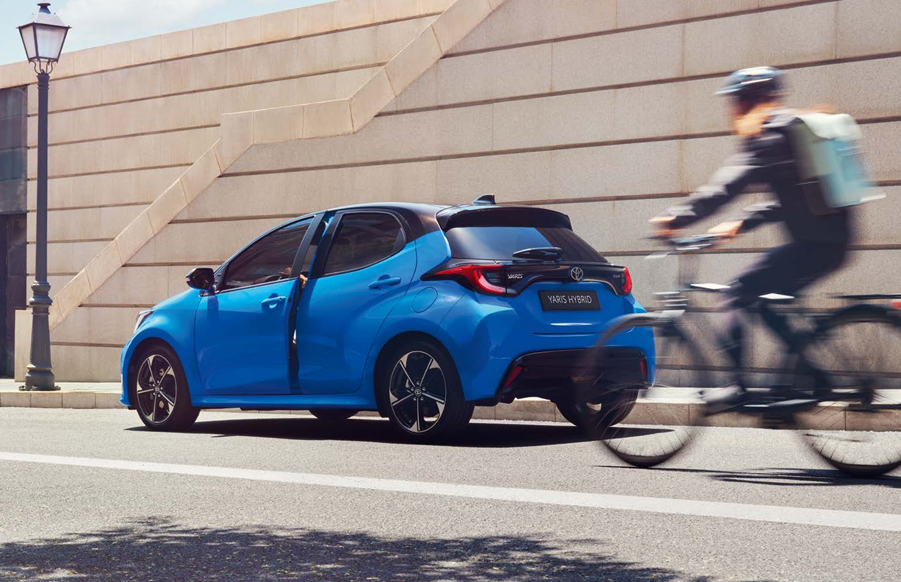
The car that changed how Italy thought about hybrids is now changing how Italy thinks about battery replacement. No longer are owners forced to choose between a prohibitively expensive dealer battery and scrapping a beloved car. Today, a brand new, high‑quality, and genuinely affordable battery is within reach. And that means the Yaris Hybrid—already a legend on Italian roads—will keep running for many years to come.