
If you own a hybrid vehicle long enough, there is one dashboard warning that tends to cause more anxiety than any other: the dreaded check engine light paired with diagnostic trouble code (DTC) P0A80. For many drivers, this code immediately brings fears of a multi-thousand-dollar repair bill. While P0A80 does signal a genuine issue with your hybrid battery pack, a deeper understanding of what it means, why it happens, and what your options are can turn a moment of panic into a manageable maintenance decision. In this comprehensive guide, we will demystify P0A80—“Hybrid Battery Pack Deterioration”—explore its root causes, walk through professional diagnostic and repair procedures, and share proven strategies to extend the life of your hybrid battery for years to come.
1. Decoding P0A80: What Does It Actually Mean?
At its core, P0A80 is a generic OBD-II powertrain code that indicates the hybrid vehicle’s battery energy control module (BECM), often simply called the battery ECU, has detected that the high-voltage traction battery pack has deteriorated beyond an acceptable threshold. It does not necessarily mean your battery is completely dead or that your car is about to shut down on the highway. Rather, it means the battery’s ability to hold and deliver energy has fallen below the manufacturer’s calibrated expectations.
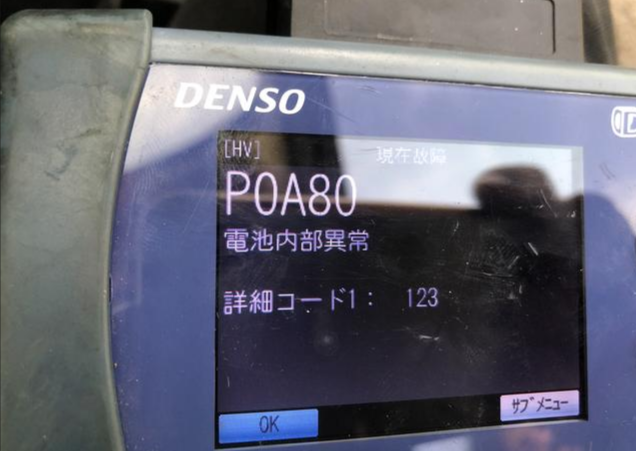
The battery ECU constantly monitors the health of the traction battery by observing two critical parameters: voltage deviation between individual cells or blocks and internal resistance. In a healthy pack, all the cells charge and discharge at nearly identical rates. When the ECU detects a persistent difference in voltage that exceeds a certain limit—often around 1.0 to 1.5 volts across blocks in a Toyota Prius, for example—it sets the P0A80 code. Similarly, if the calculated internal resistance of the pack rises sharply, indicating that the cells struggle to deliver current under load, the same code will be triggered. In technical terms, the battery is no longer able to maintain the “state of charge balance” required for efficient vehicle operation.
It is important to note that P0A80 is not a “sudden death” alarm. Hybrid batteries degrade gradually. The code is a warning that the battery’s capacity and power output have degraded to a point where fuel economy, performance, and the vehicle’s hybrid functionality may be compromised if no action is taken.
2. The Root Causes: Why Does a Hybrid Battery Deteriorate?
Understanding why P0A80 appears requires a look at the chemistry and working conditions of a hybrid battery. Most hybrids on the road use either Nickel-Metal Hydride (NiMH) batteries or, in newer models, Lithium-Ion (Li-Ion) batteries. Both types have finite lifespans and are susceptible to a range of environmental and usage-related stressors.
Aging and Cycle Life
Like all rechargeable batteries, hybrid packs have a limited number of charge-discharge cycles. A typical NiMH pack in a Prius can last well over 150,000 miles, but every cycle—no matter how shallow—contributes to gradual wear of the electrodes and electrolyte. Over time, the battery’s capacity shrinks, and its internal resistance naturally climbs. Eventually, it crosses the threshold that the BECM interprets as deterioration.
Cell Voltage Imbalance
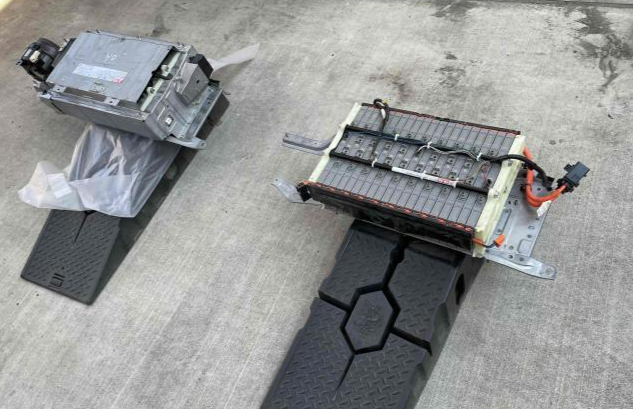
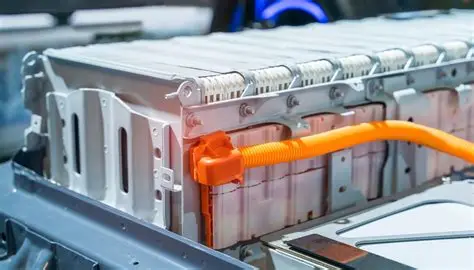
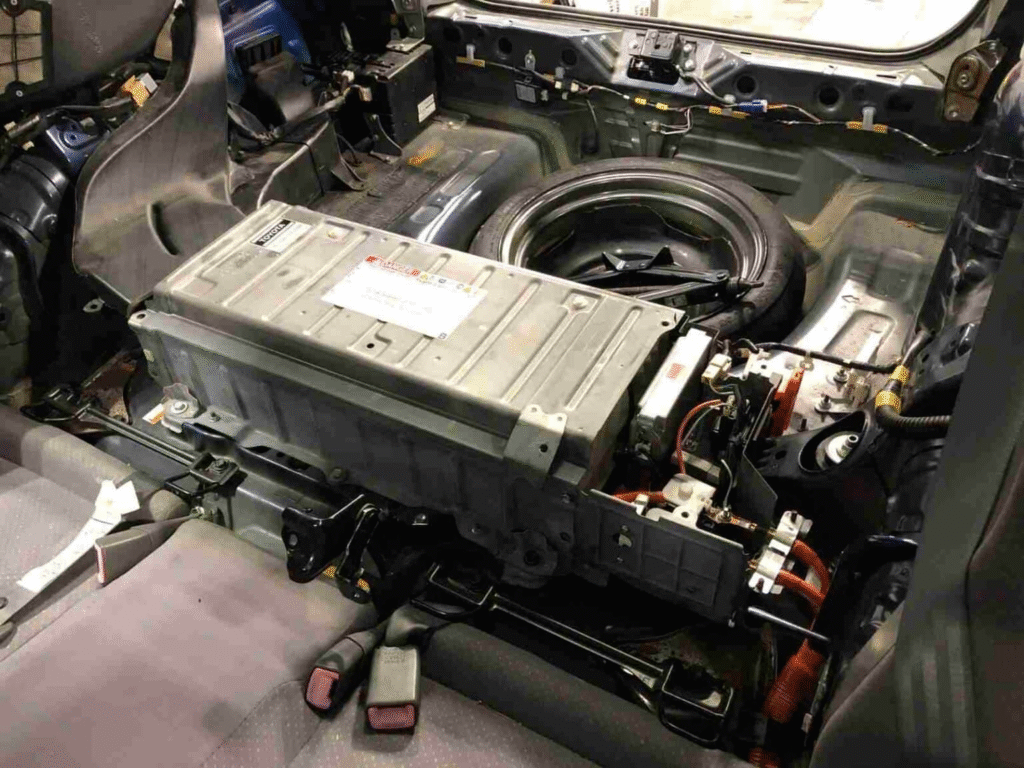
The most common immediate trigger for P0A80 is not uniform wear, but an imbalance between the individual cells or modules that make up the pack. A hybrid battery is not one giant battery; it is a series of many smaller cells. For example, the Toyota Prius Gen 2 battery consists of 28 modules, each containing six 1.2V NiMH cells in series. If just one module begins to self-discharge faster than the others—perhaps due to a minor internal short, separator degradation, or electrolyte loss—its voltage will lag behind. The battery ECU, unable to fully charge that weak module without overcharging the others, will flag the imbalance as a fault. This is why many P0A80 codes appear not from catastrophic failure, but from a few weak modules dragging down the rest of the pack.
Excessive Heat: The Silent Killer
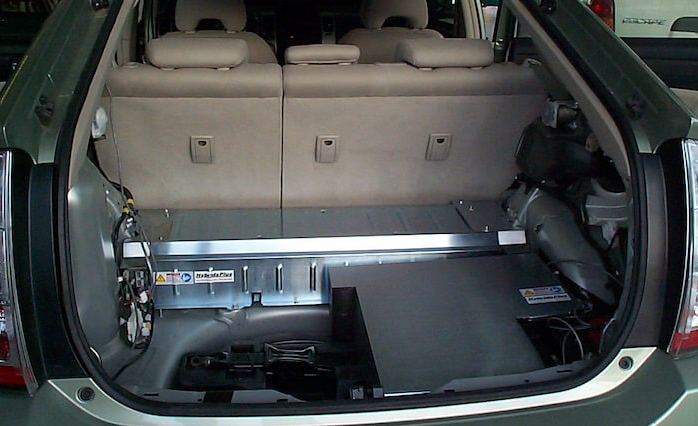
Heat is arguably the greatest enemy of hybrid battery longevity. The traction pack is usually located under the rear seat or in the trunk, with a dedicated cooling fan that draws air from the cabin. When the intake filter becomes clogged with pet hair, dust, or lint, airflow drops, and the battery operates at elevated temperatures. High temperatures accelerate chemical degradation, dry out NiMH separators faster, and increase the rate of self-discharge. In hot climates, this effect is magnified, and P0A80 can occur tens of thousands of miles earlier than in moderate regions simply because the battery spent its life running hot.
Charging and Discharging Patterns
Hybrid vehicles are designed to keep the battery state of charge (SOC) within a narrow, safe window—typically between 40% and 80% of true capacity—to maximize life. However, certain driving behaviors can push the battery toward stressful conditions. Frequent aggressive acceleration followed by hard regen braking causes rapid current flows that heat the battery. Conversely, regularly discharging the battery to very low levels by driving for extended periods at low speed in EV mode, or leaving the car unused for months, can lead to deep discharge states that promote sulfation-like effects in NiMH cells and copper dissolution in Li-Ion cells. Such patterns amplify imbalance and accelerate capacity fade.
Time and Storage Conditions
Even when a hybrid sits idle, its battery self-discharges. The BECM will periodically wake up and recharge the 12V auxiliary battery, but the high-voltage pack can still slowly lose SOC. If the vehicle is parked for several weeks or months with a very low or very high SOC, permanent capacity loss can occur. This is why low-mileage, older hybrids often develop P0A80: the battery degraded not from use, but from age and poor storage conditions.
3. Symptoms That Accompany P0A80
Before the check engine light even illuminates, you may notice several telltale signs of a weakening hybrid battery. Recognizing these early can save you from being stranded.
Decreased Fuel Economy: As the battery loses its ability to assist the engine and recapture energy efficiently, the gasoline engine runs more often, and your MPG drops noticeably.
Engine Running Constantly: The engine may stay on even at a standstill or during low-speed cruising where the vehicle previously glided in EV mode. This is the hybrid system’s way of compensating for a battery that cannot hold a charge.
Rapid SOC Fluctuations: On your dashboard energy monitor, you might see the battery charge indicator fill up and deplete unusually fast, sometimes going from full to empty in a matter of blocks.
Reduced Power and Throttle Response: When you demand acceleration, the car feels sluggish because the battery cannot provide the needed electrical boost.
“Check Hybrid System” or Warning Triangle: Alongside the MIL, many vehicles will display a hybrid system warning message or illuminate the red triangle of doom on a Prius. The car may eventually enter a fail-safe mode, limiting speed.
4. How to Fix P0A80: A Step-by-Step Approach
When P0A80 appears, a structured diagnostic and repair process is essential. Avoid the temptation to simply erase the code and hope it doesn’t return; the underlying physical condition of the battery has not changed.
Step 1: Professional Scan and Block Voltage Reading
A generic OBD-II scanner can retrieve P0A80, but to pinpoint the problem, you need a scan tool capable of reading Toyota-specific (or manufacturer-specific) live data, such as Techstream, or a professional-grade tool like the Autel MaxiSys or Snap-on platforms. Go to the hybrid battery data list and record the voltage of every block (or cell group) with the vehicle in “READY” mode and under light electrical load. Look for blocks that deviate significantly from the average. A difference of more than 0.3V on a Prius is often enough to trigger the fault. You should also check the internal resistance values if available.
Step 2: Determine the Repair Strategy
Based on the scan data, you have three main paths:
Option A: Replace the Entire Battery Pack
This is the most straightforward and durable solution. You can install a brand-new OEM battery from the dealer, which is expensive but comes with a full warranty. Alternatively, you can purchase a high-quality remanufactured or refurbished pack from a reputable independent shop. These packs are typically less than half the cost of new and may include upgraded cells with better heat tolerance. This option replaces all modules at once, resetting the battery to like-new condition.
Option B: Recondition and Rebalance the Pack
If your battery shows only mild imbalance and no severely failed modules, a professional reconditioning service can help. This involves removing the pack, charging and discharging each module individually several times on a specialized bench machine, deep cycling them to restore capacity and balance, and then reassembling. This process can extend battery life by one to three years on a budget, but it is not a permanent fix if the modules are already heavily aged.
Option C: Replace Only the Faulty Modules
When one or two blocks have clearly lower voltage and cannot be reconditioned, a targeted module replacement is possible. Technicians will source used or new modules that match the capacity and internal resistance of the remaining modules as closely as possible. After replacement, the pack must be carefully balanced. While cost-effective, this method carries some risk: introducing a module with significantly different characteristics can create a new imbalance down the road, leading to a return of the P0A80 code months later. It works best when performed by experienced technicians who know how to match modules properly.
Step 3: Post-Repair Calibration and Test
After the physical repair, the technician should clear all codes, and in some vehicles, perform a battery capacity reset or re-initialization using the scan tool. Then, a thorough road test is conducted. The BECM needs to see several complete charge/discharge cycles to relearn the new battery state. Make sure the “READY” light behaves normally and no codes return.
A Word on Cost and Safety
Hybrid battery repair involves voltages above 200V and can be lethal. Never open a hybrid battery case without proper safety gear, insulated tools, and high-voltage training. Always wear Class 0 rubber insulating gloves and use a CAT III-rated multimeter. For most owners, this is a job best left to certified hybrid specialists.
5. Prevention: How to Maximize Your Hybrid Battery’s Lifespan
Preventing P0A80 is far cheaper than curing it. Here is a systematic plan to keep your hybrid battery healthy for as long as possible.
Maintain the Cooling System Diligently
The number-one preventive action you can take is to keep the battery cool. Locate the battery air intake vent (usually on the side of the rear seat base or in the cargo area) and inspect the filter behind the vent grille. Clean or replace this filter at least once a year, or more often if you have pets or live in a dusty area. A soft brush and a vacuum cleaner can work wonders. Never block the vent with luggage or seat covers. In exceptionally hot weather, running the cabin air conditioning helps because the battery cooling fan draws cooled cabin air.
Adopt Battery-Friendly Driving Habits
You do not need to hypermile, but a smoother driving style helps. Gentle acceleration and braking keep current flows moderate, reducing heat buildup. Avoid keeping the accelerator pressed to the floor from every stop, and try to anticipate stops to allow for gradual regenerative braking. This limits the stress on individual cells and reduces the formation of localized hotspots inside the pack.
Keep the Battery in Its Comfort Zone
If you are parking the vehicle for an extended period (more than two weeks), do not store it with a fully charged or nearly empty battery. The ideal storage SOC for most hybrids is around 40–60%. You can achieve this by driving for a short distance so that the battery gauge shows around half. While you can’t set the SOC directly, short trips in normal hybrid mode usually leave the pack near the middle of its range. If storing for several months, consider using a battery maintainer on the 12V auxiliary battery and starting the vehicle every two to three weeks. Let the vehicle sit in “READY” mode for 20–30 minutes to allow the engine to cycle on and recharge the traction battery to a safe level, without discharging it deeply.
Regular Use Is Better Than Sitting Idle
Hybrids are engineered to be driven. A vehicle driven daily often lasts longer than one used once a month. The regular shallow cycling keeps the cell chemistry active, discourages crystalline growth inside NiMH cells, and keeps voltage balance in check. If you own a hybrid as a second car, make it a point to drive it at least once a week for a solid 20–30 minutes, including some highway time to get everything up to operating temperature.
Periodic Diagnostic Check-Ups
During routine maintenance, ask your trusted hybrid mechanic to perform a quick battery health scan. Many issues that eventually cause P0A80 start as minor voltage imbalances that can be seen in the data months before the code appears. Some independent shops offer a “hybrid battery health report” that tracks block voltages and resistance over time. Catching a failing module early may allow for a simple rebalance rather than a full replacement later.
Software Updates and Recalls
Occasionally, manufacturers release ECU firmware updates that optimize battery charge/discharge strategies or adjust the sensitivity of deterioration detection. When visiting the dealer for service, inquire whether any technical service bulletins (TSBs) apply to your vehicle’s hybrid system. Staying up to date ensures your battery management is as intelligent as possible.
Knowledge Is Your Best Tool
The appearance of P0A80 is not the end of your hybrid’s life—it is a call to action. By understanding that this code is usually triggered by cell imbalance or gradual heat-related aging, you are equipped to make a calm, informed decision. Whether you opt for a full pack replacement, a reconditioning service, or a module-level repair, addressing the issue promptly will restore your car’s fuel efficiency, performance, and reliability. Moreover, integrating simple prevention habits—cleaning that fan filter, driving mindfully, and storing your car wisely—will help delay the reappearance of P0A80 and keep your hybrid running smoothly deep into six-figure mileage.