
—How the 2013–2016 Toyota Avalon Hybrid Rose from Slumber and Redefined the Large Sedan
The Years of Quiet Dignity – And the Call for Change
For nearly two decades, the Toyota Avalon had been the quiet elder of the Japanese automaker’s North American lineup — a full-size sedan built with impeccable reliability, hushed road manners, and a cabin spacious enough to host a board meeting. Yet by 2010, that very quietness had become a liability. The third-generation Avalon, launched in 2005, had grown stale. Its average owner’s age hovered near seventy; annual sales had slumped to just over 25,000 units. The car was respected, but it was no longer desired.
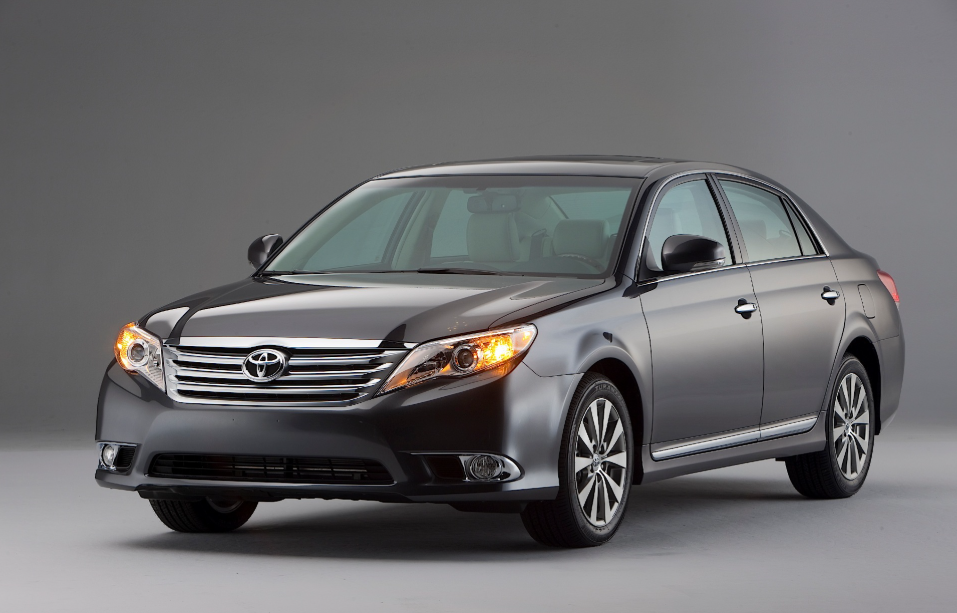
Then came the wind of change. Akio Toyoda, newly installed as president of Toyota, issued a bold challenge: build cars that “spark people’s emotions.” For the Avalon’s fourth generation — code‑name XX40 — that meant abandoning soft, forgettable styling and embracing a sharper, more athletic silhouette. The 2013 model that emerged from Toyota’s Calty design studios in California and Michigan was a revelation: a low, wide grille, flowing character lines, and LED accents that gave the old flagship a new sense of purpose.
But beneath that dramatic sheet metal lay something far more revolutionary. For the first time in its history, Toyota offered a full‑hybrid powertrain in a large premium sedan — a car that could carry five adults in leather‑trimmed comfort while sipping fuel like a subcompact. The Avalon Hybrid was not an afterthought; it was a declaration. And at the heart of that declaration beat a battery that would become the unsung hero of the story: a nickel‑metal hydride pack, carefully chosen in an age when rivals were rushing toward lithium-ion.
A History Etched in Steel and Spirit – From 1994 to Rebirth
To understand the hybrid Avalon’s significance, one must first trace its lineage. Born in 1994 as a stretched, plusher sibling of the Camry, the first‑generation Avalon (XX10) was an unapologetic American sedan — built in Georgetown, Kentucky, and aimed squarely at buyers who wanted near‑Lexus comfort without the luxury badge’s price premium. The second generation (XX20, 2000–2004) refined the formula; the third (XX30, 2005–2012) added power and safety but lost emotional appeal.
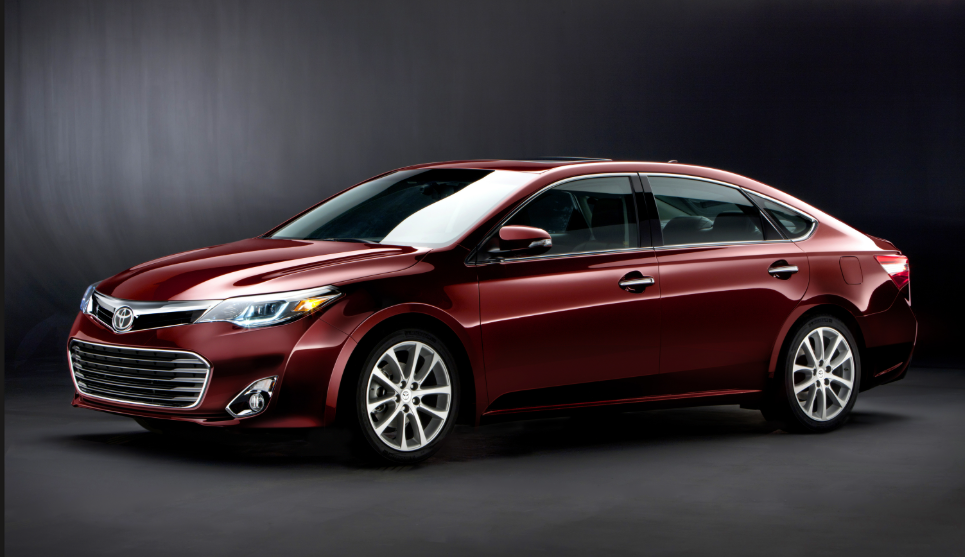
Then came the fourth generation. The 2013 Avalon was not merely a facelift but a complete reinvention. The wheelbase remained generous (111.0 inches), but overall length actually shrank slightly, giving the car a more planted stance. Structural rigidity increased by 12 percent overall and 23 percent at the rear, allowing engineers to tune the suspension for both comfort and cornering confidence. For the first time, an Avalon could be genuinely enjoyable to drive — especially in the Touring trim, which added firmer dampers and a sportier steering calibration.
Yet the most consequential decision was the hybrid option. At a time when large sedans from Detroit and Seoul were still defined by V6 engines and fuel economy in the low 20s, Toyota dared to offer a 40‑mpg flagship. The reaction was immediate: within months, more than a quarter of all Avalon buyers chose the hybrid. Annual sales soared past 70,000 units in 2013. The Avalon had not only been revived — it had been transformed.
The Heart of the Matter – A Powertrain of Two Souls
The Avalon Hybrid’s powertrain was a masterpiece of dualism. Alongside the conventional 3.5‑liter V6 (268 horsepower, 21/31 mpg), Toyota installed what it called the Hybrid Synergy Drive — a third‑generation system already proven in the Prius and Camry Hybrid. The ingredients were deceptively simple:
A 2.5‑liter four‑cylinder engine running on the Atkinson cycle. Unlike a normal Otto‑cycle engine, the Atkinson version holds the intake valve open longer, allowing the expanding gases to push the piston further down. This sacrifices low‑end grunt but boosts thermal efficiency dramatically. The engine alone produced 156 horsepower and 153 lb‑ft of torque.
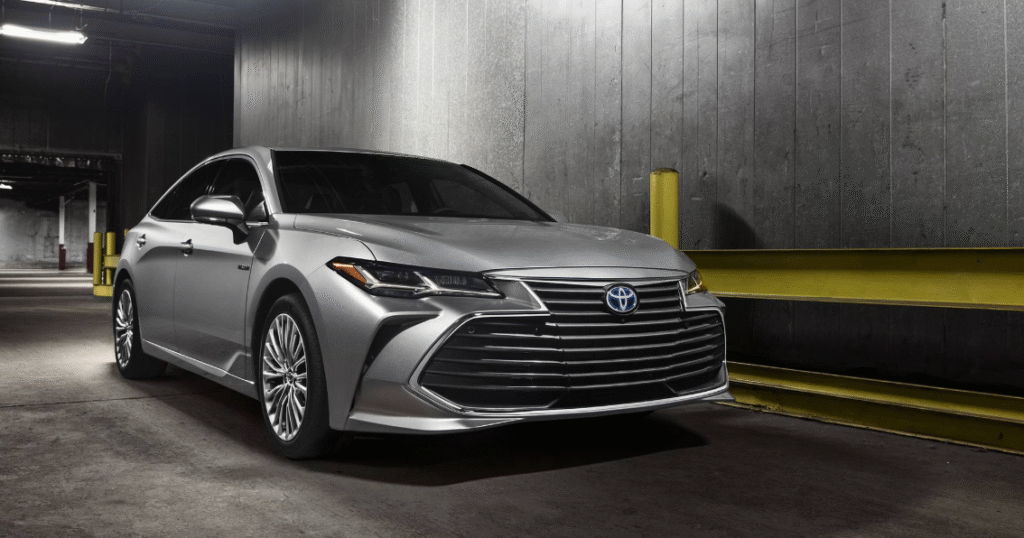
Two motor/generators nested inside a continuously variable transmission (CVT). The primary motor (MG2) acted as a traction motor, adding up to 140 horsepower and 200 lb‑ft of torque. The secondary motor (MG1) served as a generator, recharging the battery and managing power flow.
A nickel‑metal hydride battery pack that stored and delivered energy with a calm, almost stoic reliability. This was the component that most journalists glanced over — and the one that deserves the deepest bow.
Combined system output was rated at 200 horsepower — modest but more than adequate for a 3,585‑lb sedan. More important was the EPA rating: 40 city, 39 highway, 40 combined. With a 17‑gallon tank, the Avalon Hybrid could theoretically travel 680 miles between fill‑ups. For a family sedan, that was nothing short of revolutionary.
Where the Silent Power Dwells – The Battery’s Secret Chamber
Engineers faced a classic puzzle: how to fit 204 individual NiMH cells into a car without ruining passenger space or trunk capacity. Their answer was as elegant as it was practical. The battery pack — a metal‑cased assembly containing 34 modules (each module holding six 1.2‑volt cells, for a nominal total of 244.8 volts) — was mounted behind the rear seat, inside the trunk.
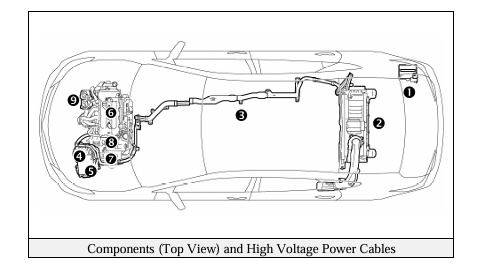
Why there? Three reasons, each more poetic than the last. First, balance — placing that 97‑pound pack low and central improved the car’s polar moment of inertia, making the Avalon more composed in corners. Second, coolness — the trunk was far from the engine’s inferno, keeping the battery at a gentler temperature. Third, safety — behind the rear seat but ahead of the rear bumper, the pack sat within the car’s strongest structural envelope.
The packaging penalty was astonishingly small: just 2.0 cubic feet of trunk space disappeared, reducing cargo volume from 16 to 14 cubic feet. Most owners never noticed. What they did notice was the car’s ability to glide silently through parking lots in EV mode, or the seamless handshake between gasoline and electric power at highway speeds.
The battery itself was a marvel of conservative engineering. Nickel‑metal hydride chemistry operates at a nominal 1.2 volts per cell — lower than lithium‑ion’s 3.6–3.7 volts, but far more forgiving. NiMH cells tolerate overcharging and deep discharging without bursting into flames. They maintain stable performance across a wider temperature range. And they last: Toyota’s internal testing showed that these packs could endure more than 6,000 shallow charge‑discharge cycles before dropping to 80 percent capacity. At one cycle per mile of hybrid driving, that is over 150,000 miles of virtually worry‑free service.
Three Moods of the Flagship – EV, ECO, SPORT
One of the most delightful features of the Avalon Hybrid was its selectable driving modes — each one a different personality for the same machine. EV Mode allowed the car to travel up to one mile at speeds below 25 mph using only electric power, perfect for creeping through neighbourhoods or parking garages in near‑silence. ECO Mode softened the throttle response and turned down the climate control to squeeze every last drop of fuel from a commute. SPORT Mode sharpened everything — quicker throttle, heavier steering through the electric power‑assist system, and a more aggressive hybrid power delivery for highway merging or back‑road fun.

These modes were not gimmicks. They changed the car’s behaviour in ways that owners genuinely appreciated. And they all depended on the battery’s ability to deliver bursts of current on demand — something the NiMH pack did without drama, thanks to its ability to handle discharge rates up to 25C (25 times its rated capacity of 6.5 ampere-hours).
Keeping Cool Under Pressure – The Art of Thermal Management
Heat is the enemy of any battery. Toyota knew this well. So they gave the Avalon Hybrid’s battery a simple but brilliant cooling system: forced air drawn from the cabin. An intake vent on the left side of the rear seatback — clearly visible to owners — allowed air to flow into the battery compartment. A variable‑speed fan, controlled by the hybrid computer, pulled that air across the 34 modules, carrying away waste heat before exhausting it through dedicated outlets.
The genius of this design was its simplicity. By using cabin air — already conditioned to a comfortable temperature for passengers — Toyota eliminated the need for heavy, complex liquid cooling loops. The fan was one of the only moving parts in the entire battery assembly, and even then, failures were rare. The one thing Toyota begged owners to do: keep that vent clear. Luggage, pet hair, or dust blocking the intake could cause the battery to overheat, triggering warnings and reducing performance. A small price to pay for a system that otherwise ran for years with zero maintenance.
A Safe Harbour – Shielding Occupants from the High‑Voltage Sea
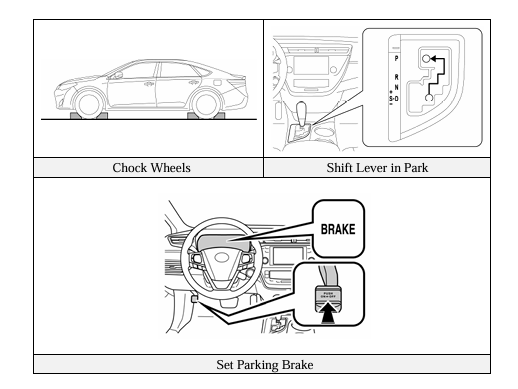
Safety was woven into every layer of the Avalon Hybrid’s battery system. The high‑voltage cables were wrapped in distinctive orange sheathing so that first responders could identify them instantly. An emergency shut‑off system used impact sensors to disconnect the battery and stop the fuel pump within milliseconds of a severe collision. The metal battery enclosure provided electromagnetic shielding and physical protection, keeping dangerous voltages away from passengers.
Thanks to these features — and to the inherent stability of NiMH chemistry — the Avalon earned a Top Safety Pick+ rating from the Insurance Institute for Highway Safety (for the structurally identical 2016 model). It was a car that protected its occupants not only in a crash but also in everyday driving, with no fear of battery fires or unexpected electrical faults.
The First Chapter Closes – And a Door Opens
By the time the fourth‑generation Avalon received its mid‑cycle refresh for 2016, the hybrid model had already secured its place in automotive history. The gasoline V6 carried on, but the hybrid was the star — attracting younger buyers, slashing fuel costs, and proving that a large sedan could be both luxurious and responsible. The powertrain did not change between 2013 and 2016; Toyota saw no need. The 2.5‑liter Atkinson engine, the 244.8‑volt NiMH pack, the CVT — all remained exactly as they were. Why fix what was not broken?
But this story is only half told. We have described the what and the why — the Avalon’s rebirth and the battery’s role. Yet the battery itself, that silent silver box in the trunk, contains a world of deeper secrets. How exactly does nickel‑metal hydride work at the electrochemical level? Why did Toyota resolutely refuse to switch to lithium‑ion, even as rivals mocked them for being behind the times? And what does that mean for the long‑term owner who plans to keep the car for a decade or more?
To answer those questions, we must open the battery. We must travel from the cabin into the chemistry — from the driver’s seat to the atomic dance of nickel and hydrogen. That is the journey of the second part.