
Hey Toyota Hybrid Fam! You’re cruising along, feeling good about your fuel economy, when suddenly — BAM — that little orange check engine light pops up. You plug in your scanner, and there it is: P1AE7.
Don’t panic. Your Toyota isn’t dying. It’s just… feeling a little exposed.
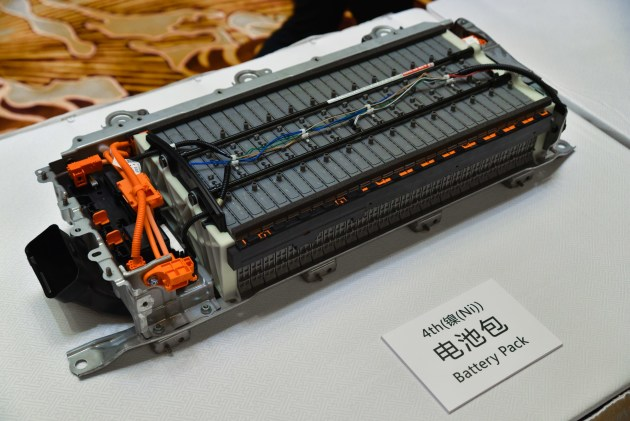
What the heck is that code anyway?
In plain English, P1AE7 means your hybrid battery’s high-voltage system has lost its “insulation swagger.”
Think of it like this: Your hybrid battery runs on high voltage — we’re talking serious juice. Normally, all that electricity is wrapped in a nice, cozy insulation blanket that keeps it from leaking into the car’s metal body (aka the “chassis”). That blanket is made of special materials and air gaps that keep the juice exactly where it belongs – inside the wires.
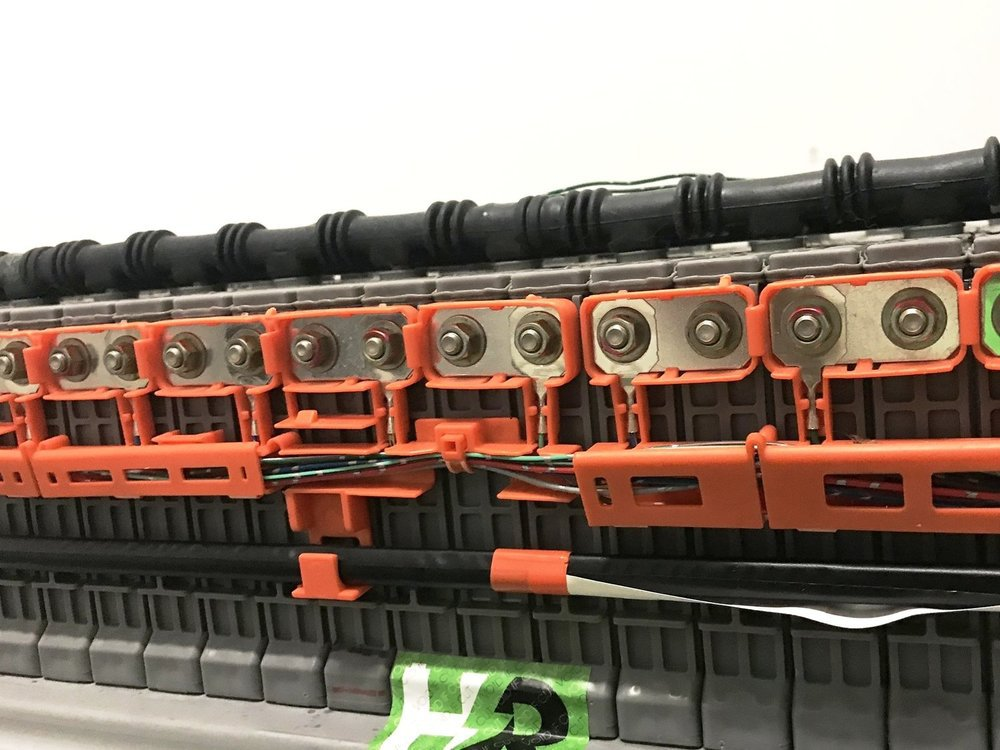
P1AE7 is your Battery Energy Control Module (BECM) raising its hand and saying: “Uh, boss? I checked the resistance between the high-voltage wires and the car body, and it’s less than 200 k ohms. That’s… not great.” Basically, your battery’s “safety bubble” has a tiny hole. Electricity might be trying to sneak out where it doesn’t belong. It’s like a water hose with a pinhole leak – not a flood yet, but definitely not something you ignore.
When does your car get all dramatic about it?
Here’s the sneaky part: Your Toyota runs this test after you turn the car OFF. Yep, while you’re happily walking into the house, your car is back there doing a secret midnight check. So when you wake up the next morning, turn the key, and see that light – that’s your car finally telling you about the drama that went down while you were sleeping. Rude, right? It’s like your roommate texting you at 2 AM about a problem, but you don’t see it until breakfast.
Why’s it being a drama queen?
A few usual suspects:
- A faulty hybrid battery pack that’s getting old and cranky – especially if you’re over 100k miles. The insulation inside the battery cells can degrade over time.
- Wiring harness that’s damaged, corroded, or has a bad connection – maybe a rodent chewed on something (yes, squirrels love Toyota wiring for some reason).
- Moisture or contamination sneaking into places it shouldn’t be – like if you live in a rainy or salty-road state, water can get into connectors.
- A component inside the battery – like the junction box or the battery current sensor – that’s just… tired. It’s not always the whole battery; sometimes it’s just one little part being dramatic.
Sometimes it’s intermittent – the code might come and go. But don’t ignore it, because that little leak could get worse over time.
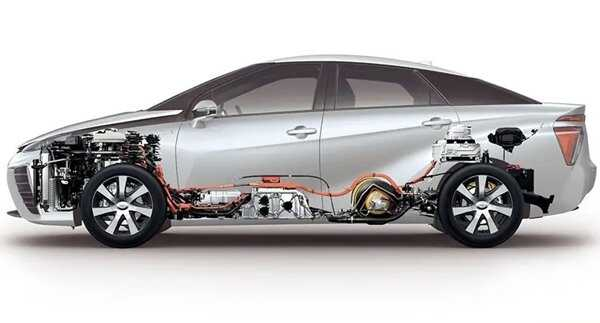
Okay, so what do I actually do?
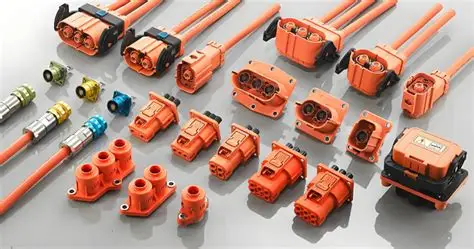
First: Don’t poke around the orange high-voltage cables under the hood. Seriously. That’s 200+ volts of “don’t touch me.” Those cables are bright orange for a reason – it’s Toyota’s way of saying “back off, buddy.” Leave that stuff to the pros.
Second: Take it to a shop that knows hybrids – preferably a Toyota dealer or a trusted hybrid specialist. They have the proper tools (like a mega-ohmmeter) to safely diagnose where the insulation breakdown is happening. A regular corner garage might not have the right gear or training, and they could guess wrong – costing you time and money.
Pro tip: how to not get played at the repair shop
Alright, this is where the real talk happens. Shops know that “hybrid battery” sounds scary and expensive, and some might try to upsell you. Here’s how to keep your wallet safe:
- Ask for the diagnostic fee upfront.
Most dealers charge 1–2 hours of labor just to read the code and do the insulation test. That’s normal – but make sure they tell you the price before they start. If they quote you $300 just for diagnosis, call another shop.
- Request the actual resistance reading.
Don’t let them just say “yeah, it’s P1AE7.” Ask: “What was the insulation resistance value in kilo-ohms?” If they can’t give you a number, they might not have done a proper test. A good tech will show you the printout.
- Don’t let them sell you a whole battery right away.
Sometimes it’s just a worn-out wire harness, a corroded connector, or moisture in a junction box. A new battery pack can cost $3,000–$5,000 – so insist they check the simple stuff first. Ask: “Have you ruled out the wiring and connectors?” If they say “we always replace the whole battery for this code,” walk away.
- Get a second opinion if they push hard.
Hybrid specialists (independent ones) often have more experience than dealer techs and might charge less. Call around, read Google reviews, and look for shops that specifically say “hybrid battery repair” – not just “general auto.”
- Ask if they use OEM or remanufactured parts.
If you do need a new battery, OEM is great but pricey. Remanufactured ones can save you money, but make sure they come with a good warranty (at least 1 year/12k miles). Never go for “used pulled” batteries – you don’t know their history.
- Before you authorize any repair, confirm if your warranty covers it.
This ties into the next section – but seriously, if you’re under 8 years/100k miles, the dealer should fix it for free. If they try to charge you, politely ask them to double-check the VIN in Toyota’s warranty system. Sometimes they “forget” to check.
- Get everything in writing.
Ask for a written estimate before they start work. If they find extra issues later, they need to call you for approval – don’t give them a blank check.
Remember: You’re the customer. Don’t be afraid to ask questions. If the service advisor gets annoyed, that’s a red flag. A good shop will happily explain everything in plain English (or plain group-chat language).
Wait, free money? Maybe.
If your Toyota is still under the 8-year/100,000-mile hybrid warranty (or 15-year/150,000-mile if you’re in California or other CARB states), this could be covered at no cost to you. That includes diagnosis, parts, and labor. So check that warranty card before you start sweating! Even if you’re the second owner, the warranty transfers – so don’t assume you’re out of luck.
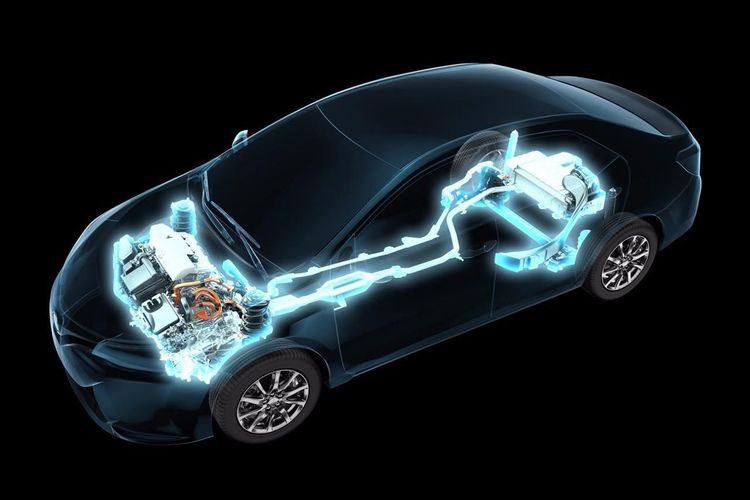
Also, if your car is just barely out of warranty, sometimes Toyota offers “goodwill” assistance – especially if you have a service history with them. It never hurts to ask the dealer to contact Toyota corporate for a possible discount.
Don’t panic, just call a pro
P1AE7 isn’t the end of the world. It’s just your car being honest about a little “leakage” issue. Think of it as your hybrid saying: “Hey, I love you, but my insulation game is slipping. Can we get this checked out before things get spicy?”
Get it diagnosed, get it fixed, and get back to enjoying those 50+ MPG. Your Toyota will thank you.
P.S. — If your car starts acting weird (won’t start, loses power, or the light starts flashing), don’t wait. Call a pro ASAP. Safety first, fam! And remember – you got this. Now go forth and negotiate like a boss.