
So you just fixed that P0BAB fiasco, or maybe you’re a glutton for punishment and bought another used Prius. Either way, here comes another orange glow from your dashboard, and this time the code reads P0B3D. Congratulations – your car has moved from “battery cell slacker” to “I don’t trust my own measurements.”
If P0BAB was a lazy worker, P0B3D is a paranoid manager who thinks every number is a lie. Let’s pop the hood on this one, shall we?
P0B3D: The Voltage Sensor That’s Playing Mind Games
Let’s ditch the service manual mumbo‑jumbo. P0B3D is an OBD‑II code that generally stands for “Hybrid Battery Voltage Sense Circuit Performance / Malfunction.” In human terms: the little computer that monitors your high‑voltage battery’s voltage has decided the readings it’s getting are either bogus, missing, or completely off the reservation.
You have a whole army of sensors inside that battery pack – one for each cell group, plus a few master sensors. Their job is to tell the battery management system (BMS) exactly how much juice each cell is holding. The BMS uses that data to balance charging, prevent over‑discharge, and keep your car from turning into a giant paperweight. P0B3D means that one of those voltage‑sense circuits – usually a wire, a connector, or the sensor itself – is sending signals that make absolutely no sense.
Think of it like this: you ask your child how much ice cream is left in the tub. They say “half.” You look inside and it’s empty. That’s P0B3D – a big fat discrepancy between what the sensor reports and what reality actually is.

Red Flags: Your Car’s Passive‑Aggressive Warning Signals
Before you even plug in a scanner, your hybrid will drop plenty of hints that its voltage‑sense circuit is on the fritz:
– The dreaded check‑engine light – it’s back, brighter than ever, like a stalker ex.
– Reduced power or limp‑home mode – because nothing screams “fun” like merging onto the freeway at 45 mph while semi‑trucks honk at you.
– Erratic battery charge level readings – one minute the gauge says 80%, the next it’s 20%, and then it jumps back up like a possessed slot machine.
– The car refuses to switch to EV mode – or it switches and then immediately switches back, having a mini existential crisis.
– Weird charging behaviour – the engine runs more often, the regenerative braking feels off, and your fuel economy drops faster than a hot potato.
Your car is basically second‑guessing every voltage number it sees, so it plays it safe by limiting performance and running the gas engine constantly. Safe, but infuriating.
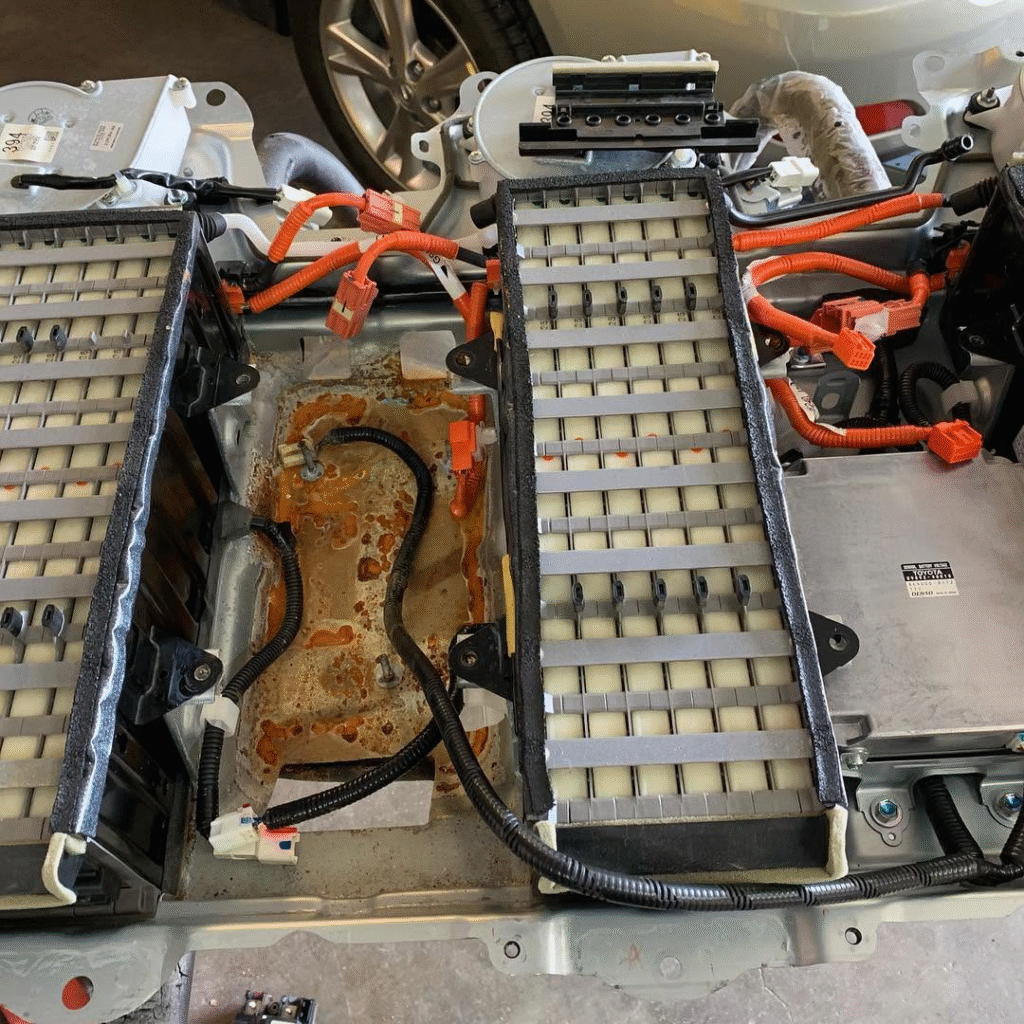
The Usual Suspects: Who’s Messing With Your Battery?
The root causes for P0B3D are a delightful mix of electrical gremlins and planned obsolescence:
1. A faulty voltage sensor – the actual little chip or module that measures voltage decided to retire early. No warning, no two‑week notice – just dead.
2. Damaged wiring or corroded connectors in the sense circuit – those thin little wires that run from the battery cells to the BMS are fragile little divas. A single broken pin, a bent terminal, or some green crusty corrosion can throw off the whole reading.
3. A bad battery management system (BMS) itself – the main computer that processes all those voltage signals might be having a software seizure. Sometimes a firmware glitch, sometimes a dead capacitor.
4. A failing battery cell group – yes, even though this code points to the *sensor*, sometimes the sensor is actually telling the truth, and one cell group really is way out of whack. The BMS just can’t trust it because it’s so far from normal.
5. Grounding issues – poor grounds in the hybrid system can cause voltage offsets that make every sensor look like a liar.
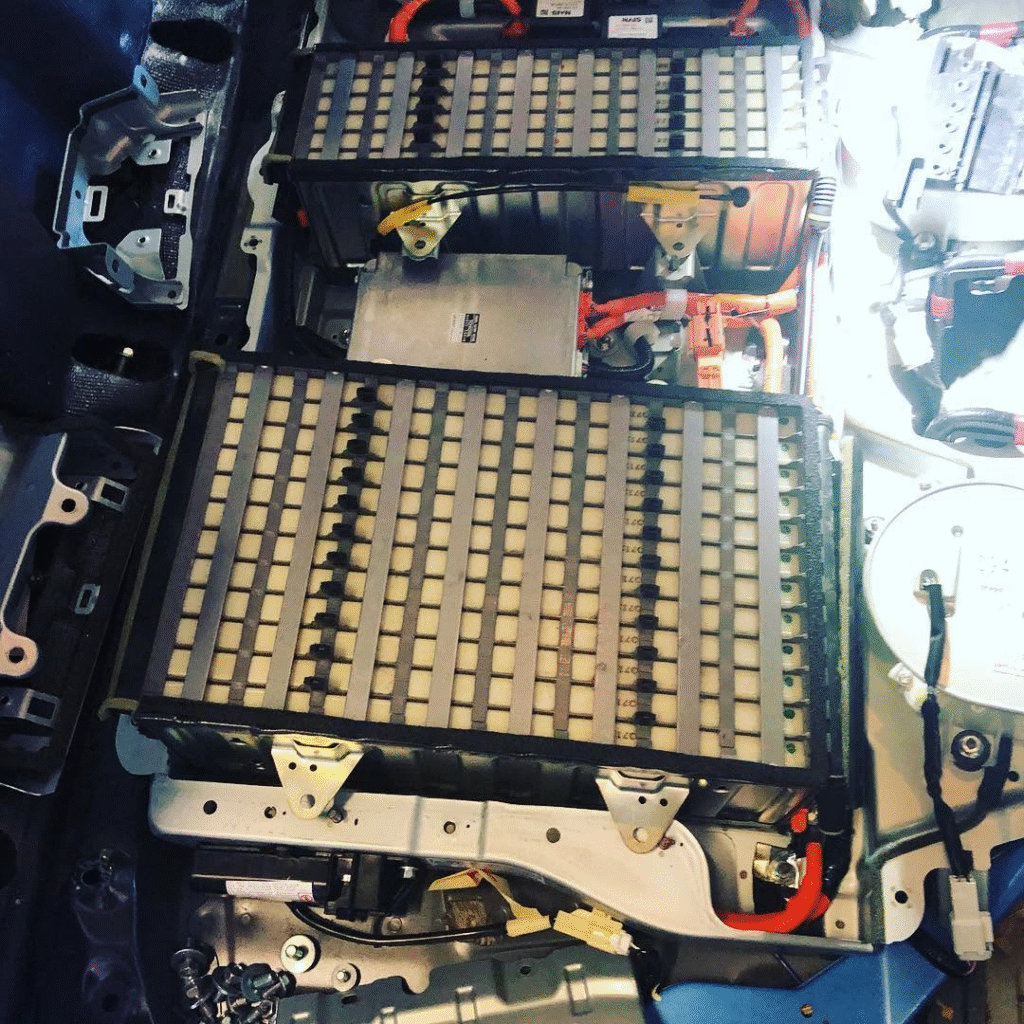
To Drive or Not to Drive? (Hint: Just Don’t)
Technically, the car will still move. It’s not going to explode (probably). But the repair urgency is high – and the difficulty is professional‑only. Driving with a flaky voltage sense circuit means the BMS is essentially flying blind. It can’t balance cells, it can’t protect against over‑charge, and it can’t properly control the battery cooling fan. In the worst case, you could over‑discharge a cell group and kill the entire pack – a bill that makes your eyes water.
So yes, you can limp to the nearest shop, but don’t take a road trip. And for heaven’s sake, don’t ignore it until your next oil change – that orange light isn’t a suggestion, it’s a warning shot.
The Damage Report: What It’ll Cost You
Diagnosis: an hour of labour, because a good tech needs to use a multimeter, a scan tool, and maybe a prayer. That’s $80‑$150 at an indie shop, double that at a dealer.
The actual repair costs vary wildly:
– If it’s just a corroded connector or a broken wire? $150‑$400 – cheap, but you’ll pay for the diagnostic time to find it.
– If it’s a faulty voltage sensor module (often built into the battery pack wiring harness)? $400‑$900 – because of course it’s not a standalone part.
– If the BMS itself is fried? Now we’re talking $800‑$1,500 – and that’s before labour.
– If the underlying problem is actually a dying cell group that’s confusing the sensor? Then you’re back to the P0BAB territory – partial battery rebuild or full replacement, which can run $1,500‑$4,000+.
The worst part? Some shops will just clear the code, replace a fuse, and send you on your way – only for it to come back a week later. A proper fix requires tracing the entire sense circuit, verifying resistance, and sometimes re‑flashing the BMS software.

DIY: A Shocking Bad Idea (Literally)
Here’s what the YouTube comment sections will tell you:
1. Find the battery service plug and pull it (orange handle – you can’t miss it).
2. Wait 10 minutes for the capacitors to discharge (or don’t, if you’re feeling lucky).
3. Whip out your multimeter and start probing the voltage sense pins on the BMS connector.
4. Find the broken wire, splice it, heat‑shrink it, and clear the code.
Sounds simple, right? Wrong.
That battery pack sits at over 300 volts DC – and the sense wires, while low‑voltage, are physically connected to the high‑voltage cells through internal resistors. One slip of the probe, one accidental short, and you’ll weld your multimeter tips to the bus bar – or worse, weld yourself to the floor. Hybrid systems store enough energy to stop your heart and cook your eyebrows off simultaneously.
Unless you have insulated gloves rated for 1,000 volts, a full service manual, and a death wish, stay the heck out of that orange‑cable territory.
The Light at the End of the Tunnel (Maybe)
Here’s the good news: P0B3D is often a wiring or connector issue, not a dead battery. It’s more common on older hybrids (Gen 2/3 Prius, early Lexus RX, etc.) where the battery sense harnesses get brittle from heat cycles. Many independent hybrid shops have seen this a hundred times – they know exactly where to probe, and they can often fix it without replacing the whole battery.
Also, if you catch it early, you can prevent the BMS from making bad decisions that actually *cause* cell damage. So in a weird way, this code is your car screaming for help before it’s too late.
But – and this is a big but – if you simply clear the code and ignore the underlying cause, the BMS will keep misreading voltage, keep over‑charging some cells and under‑charging others, and eventually you’ll be shopping for a new battery pack. So don’t be that guy.

The Final Word: Don’t Freak Out, Just Fix It
P0B3D is not the end of the world, but it’s not a joke either. It means your car’s brain can’t trust its own eyes – and when a computer can’t trust its sensors, it panics. Your hybrid will drive like a grumpy grandpa – slow, cautious, and constantly complaining.
Get it diagnosed by someone who actually understands hybrid electrical systems (not your cousin’s buddy who “knows cars”). Budget a few hundred bucks for the fix, maybe more if the BMS is toast. And please, don’t try to DIY this – your life is worth more than a $200 diagnostic fee.
Your hybrid was supposed to make you feel good about saving the planet. Instead, it’s teaching you about voltage sense circuits. Life’s funny that way.
Now call a real mechanic, and maybe buy them a coffee – they’ve earned it.