
My Driver Thinks He’s a Tree-Hugging Hero – Let Me Burst That Bubble
You’re humming to your eco-playlist, patting yourself on the back for single-handedly reducing your carbon footprint by 0.0003%. Your hybrid is purring like a kitten on catnip. The sun is shining. The birds are singing. Life is good.
Then BZZZZT – that little amber demon on your dash flickers to life like a bad omen from a horror movie. You pull out your trusty OBD-II scanner (because you’re a prepared adult, right? No? Then why are you even reading this?), and it vomits out: P0AFE.
Your first thought: “Is that a new craft beer?”
Your second thought: “How much is this going to cost me?”
Your third thought: “Why didn’t I just buy a bicycle?”
Congratulations. Your car just dumped you via text message – and the text is in a language only mechanics and sadists understand.
P0AFE: My Secret SOS Signal That You’re Too Dumb to Decode
Let’s cut through the corporate jargon like a hot knife through butter (or, more appropriately, like a faulty sensor through your bank account).
P0AFE stands for Hybrid Battery Temperature Sensor “D” Circuit Low – or, if your car is feeling particularly creative, “E” or even “F” depending on the model year and the phase of the moon. Because automakers love to keep us guessing.
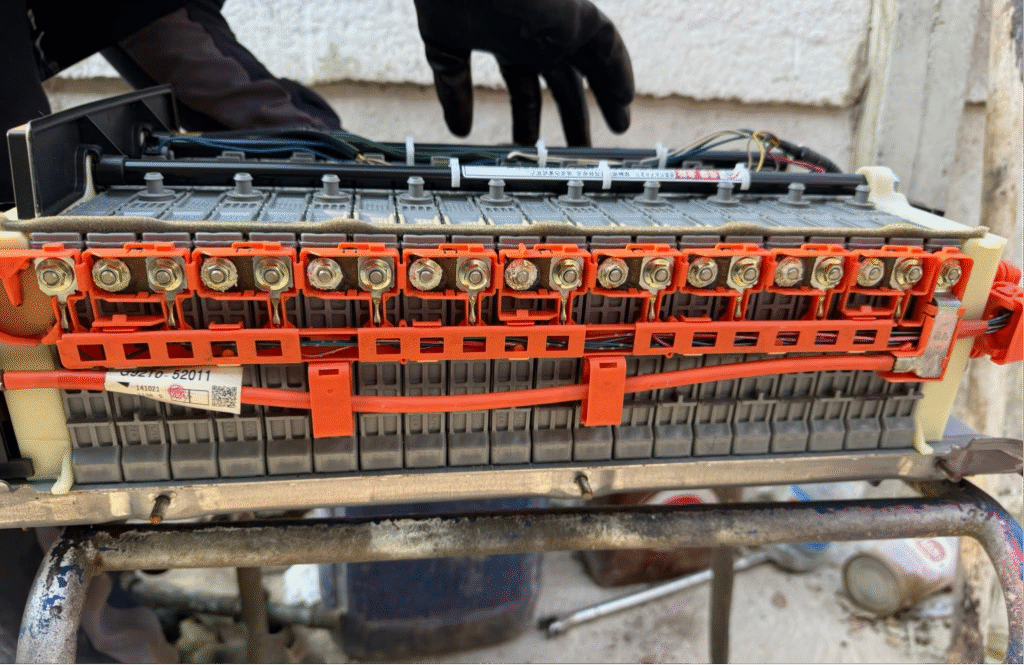
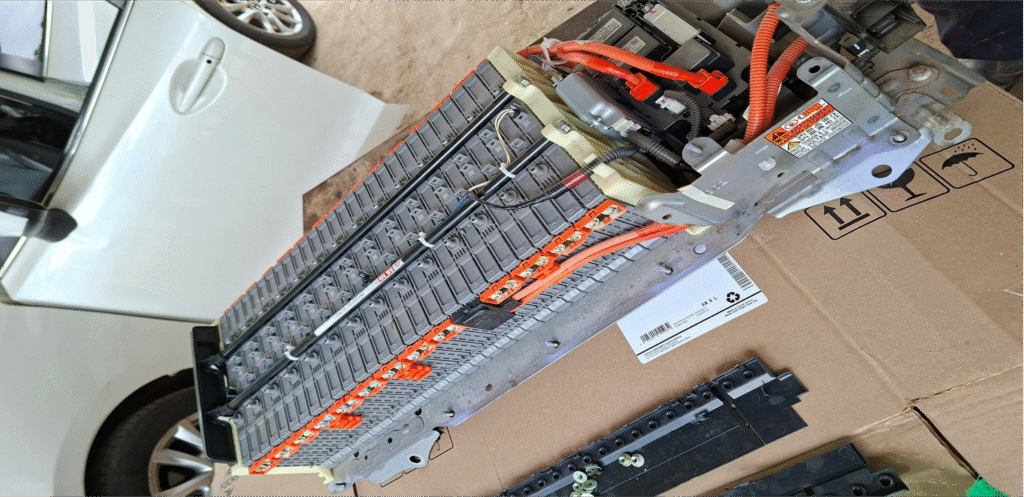
Basically, your hybrid battery pack is studded with a handful of nervous little thermometers that constantly tattle on each other. Sensor “D” (or whichever letter your car decides to assign) is the one that’s currently throwing a hissy fit. It’s reporting a voltage so low it might as well be underground. The Battery Energy Control Module (BECM) – which is essentially your car’s brain having a full-blown meltdown – sees this and goes “NOPE, WE’RE ALL GONNA DIE” and lights up your dashboard like a Christmas tree from hell.
In plain English: Your temperature sensor is broken, its wiring is fried, or your car’s computer is just gaslighting you for fun. And honestly, with the way cars are built these days, all three are equally likely.
My Temper Tantrum: The Signs You’re About to Be Broke
P0AFE doesn’t just knock politely on your door – it kicks it down and sets fire to the welcome mat. Here’s how your hybrid will let you know it’s officially pissed off:
- The Check Engine Light illuminates – because of course it does. That light has been waiting for this moment since the day you drove off the lot. It’s like a passive-aggressive roommate who finally found something to complain about.
- Your MPG goes from hero to zero – suddenly that 50 MPG you bragged about at cocktail parties looks more like 25 MPG, and you start questioning every life choice that led you to own a “fuel-efficient” vehicle. Hint: you’re now burning gas like a V8 pickup with a grudge.
- The battery charges like a sloth on tranquilizers – inconsistent, lethargic, and completely useless when you need it most. You’ll floor it to merge onto the highway and the car will respond with the enthusiasm of a teenager asked to do chores.
- Your regenerative braking takes a permanent vacation – say goodbye to that smooth one-pedal feeling. You’re now braking like a Neanderthal, wasting all that kinetic energy into heat and brake dust. Mother Nature is crying.
- The battery might actually overheat – without accurate temperature readings, your car has no idea if its precious battery pack is about to turn into a lithium-ion bonfire. So it plays it “safe” by limiting power, which means you’re driving a 200-horsepower car that feels more like a 50-horsepower lawnmower.
- If more than one sensor fails? – your hybrid system throws up its virtual hands and shuts down completely. The car will literally refuse to move under electric power, leaving you stranded in the middle of an intersection while you contemplate the existential meaning of “reliability.”
And here’s the kicker: P0AFE is often the last sensor in the chain – the one nobody thinks about until it fails. And when it does, it usually takes the whole party down with it.
Why I Backstabbed You: Confessions of a Failing Sensor
The universe doesn’t have a personal vendetta against you – but your car’s previous owner might have. Here are the usual suspects for P0AFE:
A dead temperature sensor – these little electronic gremlins just give up one day like a retired DMV employee. No warning, no courtesy, just poof.
Chewed wiring or corroded connectors – rodents think hybrid wiring is gourmet cuisine. Also, if you live anywhere with road salt, your connectors are probably more corroded than your ex’s heart.
A failing Battery Management System (BMS) – your car’s computer is having an identity crisis and taking it out on you.
A short to ground or an open circuit – because electricity always takes the path of least resistance, and that path is usually through your wallet.
Extreme weather – your hybrid is as dramatic as a diva. Too hot? Too cold? It’ll throw a code just to spite you.
A failing high-voltage battery assembly – this is the expensive one. The one that makes you consider arson for the insurance money.
Can You Still Drive Me? Sure, but I’ll Make It Miserable
Technically? Yes. The car will still move under its own power – albeit with the enthusiasm of a zombie.
Practically? No. No, you should not.
If the check engine light is solid, you can limp to a mechanic like a wounded gazelle, but keep your speed down and your prayers up. If that light is flashing? Pull over. Now. Your car is essentially screaming “I’M ON FIRE” in Morse code, and the message is not a drill.
The severity rating for P0AFE is URGENT (3/3) and the repair difficulty is ADVANCED (3/3) – which is mechanic-speak for “Don’t even think about touching this yourself unless you enjoy the taste of 300 volts of DC current.” And trust me, that’s not a flavor anyone likes – it’s more of a “final” flavor.
How Much Will I Bleed You Dry? Let’s Count the Zeros
Let’s get down to the part that actually matters: the money.
Diagnosis alone will run you 1 hour of labor – anywhere from $80 to $150 per hour, depending on whether you go to a dealership (prepare for a prostate exam on your wallet) or an independent shop (slightly less invasive).
For the actual repair:
- Sensor replacement + minor wiring fixes: $250 to $600 total.
- Parts: $120 to $250 for the sensor itself (because of course it’s not a generic part – it’s hybrid-specific, which means it’s coated in unicorn tears).
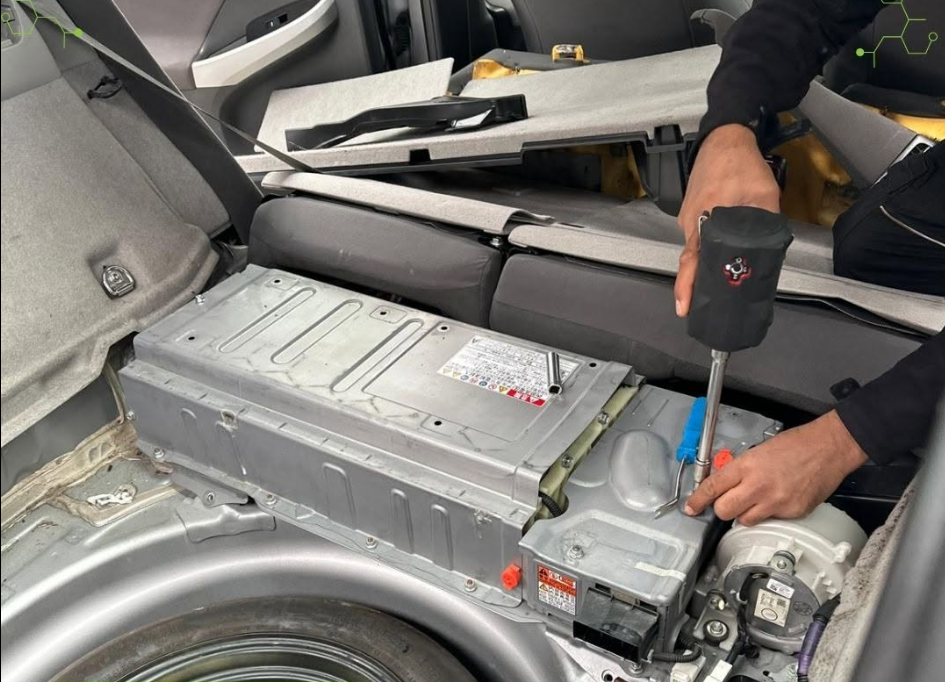
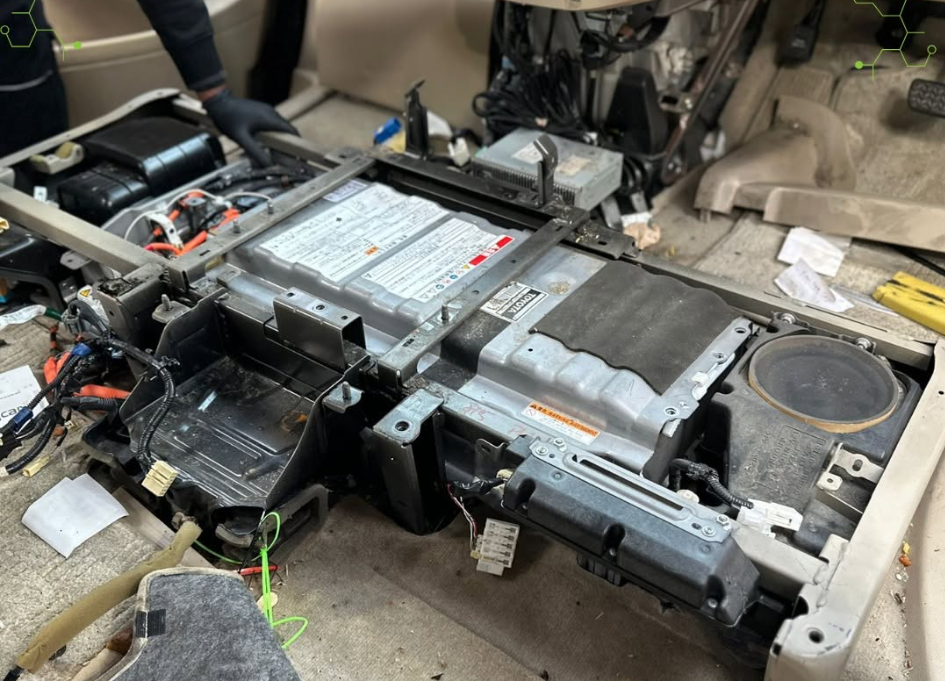
- Labor: Another $150 to $350 – because accessing Sensor “D” usually requires removing half the rear interior, the battery cover, and possibly your sanity.
- If you drive a Toyota Prius? Expect $350 to $750 – because Toyota knows you’re loyal and will pay.
- If you drive a Lexus? Add a zero and a latte – you’re paying for the coffee and the carpeted waiting room.
- If you drive a BMW i3 or a Volvo? Just sell a kidney now. You’re looking at $800 to $1,200 easily.
And that’s assuming it’s just the sensor. If your entire HV battery pack is compromised because you ignored the code for three weeks? That’s $3,000 to $8,000 – which is roughly the cost of a used Honda Civic. You could literally buy a second car for the price of fixing this one.
My Owner’s Survival Guide: What to Do When I Freak Out
- Don’t panic. Panicking is free, but it won’t fix anything – and it makes you look silly in front of your passengers.
- Don’t clear the code and pretend it never happened. That’s like putting a Band-Aid on a gunshot wound and hoping the bleeding stops. It won’t. The code will come back – and it’ll bring friends.
- DO NOT disconnect the 12V battery to “reset” the system. This isn’t a Windows PC from 1998. Ctrl+Alt+Del doesn’t work on hybrids. You’ll just lose your radio presets and gain nothing.
- Do a visual inspection – check the wiring harness near the battery pack for obvious damage, rodent droppings, or melted insulation. Sometimes it’s a loose pin that just needs reseating. Sometimes it’s a rat that decided your wiring was a five-star meal.
- Check your battery cooling fan and ducts – blocked airflow is a common cause of temperature sensor failures. Clean out the dust bunnies and pet hair – your car will thank you (sort of).
- Call a professional hybrid mechanic – not your cousin who “knows cars,” not the guy at the quick-lube joint, and definitely not the YouTube influencer with a wrench and a death wish. Hybrid systems are no joke – one wrong move and you’re the main character in a cautionary tale.
- Consider whether it’s worth fixing – if your car is old and has high mileage, this repair might cost more than the car is worth. Sometimes the smartest move is to trade it in for something that doesn’t have “hybrid” in the name – like a horse.
The One Tiny Silver Lining (Don’t Get Too Excited)
Look, P0AFE is a pain in the ass. It’s going to cost you a few hundred bucks, a few hours of your time, and possibly your last shred of faith in automotive engineering. But it’s fixable. It’s not a death sentence – it’s more like a wake-up call.
Your battery sensors are the overprotective parents of the hybrid world – they freak out about every little temperature fluctuation to keep you safe. When one fails, it’s not trying to ruin your day – it’s trying to prevent your battery from becoming a bonfire and you from becoming a headline.
Fix it now, and your hybrid will go back to being the fuel-sipping, guilt-reducing sidekick you always wanted. Ignore it? Well, let’s just say your car has a very short fuse – and that fuse is connected to a very expensive battery pack that’s currently sweating bullets.
My Final Ultimatum: Fix Me or Walk
FINAL VERDICT: P0AFE is your hybrid’s way of saying “I’m not angry, I’m just disappointed – and also broke.” Suck it up, open your wallet, and get it fixed. And next time, maybe buy that bicycle – it has exactly one moving part and zero temperature sensors to fail.
Now go call a mechanic. And for the love of all that is holy, stop feeding your car cheap gas – it knows, and it’s judging you.