
You bought a hybrid because you’re smarter than the average gas‑guzzling Neanderthal. You pat yourself on the back every time you glide past a petrol station. You’re practically a climate hero.
Then your dashboard lights up like a Christmas tree, your scanner coughs up P0ACC, and suddenly you’re Googling “can I push a hybrid off a cliff?”
Relax. I’m here to tell you exactly what went wrong – and why it’s probably because you’ve been neglecting your car like a deadbeat parent.
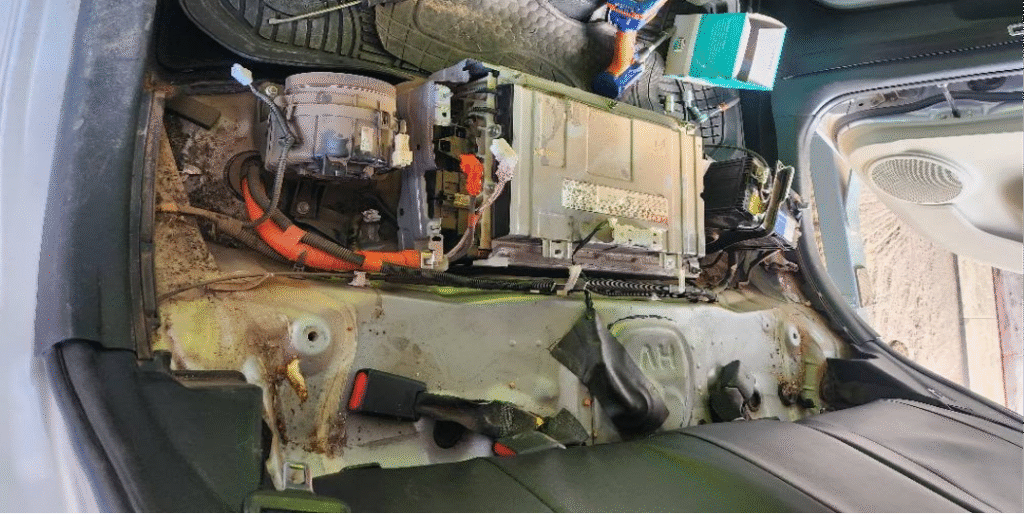
What the Sweet Electric Hell Is P0ACC?
Let’s cut the mechanic‑speak. P0ACC means your Hybrid Battery Temperature Sensor “C” Circuit is reporting low voltage.
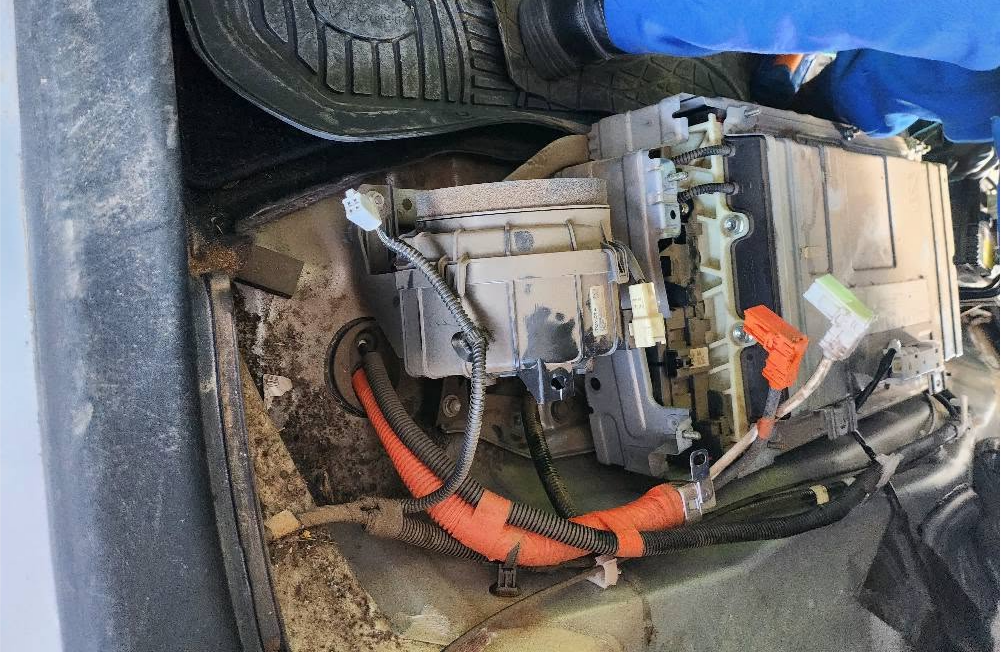
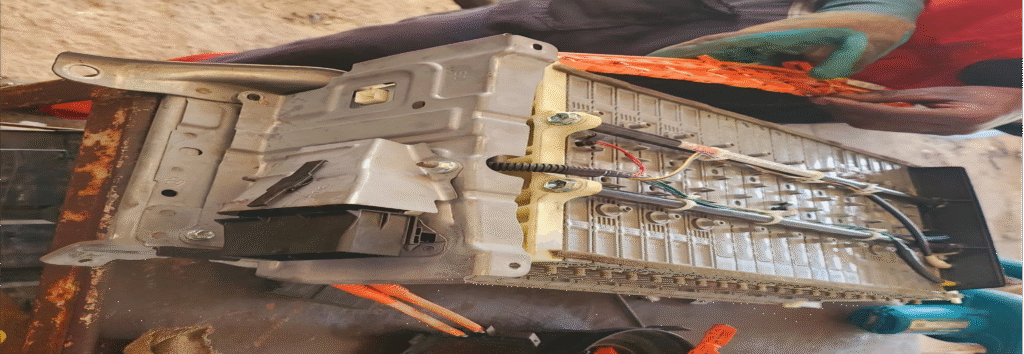
In human terms: your battery pack has six tiny thermometers glued to its cells. One of them – sensor “C” – has decided to stop sending a proper signal. It’s either dead, unplugged, or lying through its little silicon teeth.
Your car’s battery brain (the ESCM) sends a steady 5‑volt “hey, are you alive?” pulse to this sensor. When the voltage drops below what’s acceptable, the system doesn’t just shrug – it throws a full‑on tantrum and logs P0ACC.
And if two or more of these sensors go rogue? Your hybrid system disables itself. Because nothing says “fun” like being stranded in a car that cost you a small fortune, all because a $20 temperature probe decided to take an early retirement.
The Usual Backstabbers: Who’s Screwing You Over?
You want suspects? Here’s your rogues’ gallery. Pick your poison.
1. The Sensor Itself – Because It’s a Quitter
These thermistors are cheap little resistors that change value with temperature. They work flawlessly for years – until they don’t. Then they just drop the voltage signal and ghost your ESCM. No warning, no courtesy text – just a big middle finger in the form of a code.
2. Wiring Gremlins – Because Corrosion Is Free
You live somewhere with rain? Snow? Road salt? Humidity? Congratulations – your wiring harness is slowly turning into a green crusty mess. A loose connector, a frayed wire, or a pin that’s backed out just enough to break contact – and boom, P0ACC. Your car isn’t broken; it’s just electrically constipated.
3. Your Battery Is Actually Cooking Itself
Here’s the plot twist: sometimes the sensor isn’t lying – your battery really is overheating. Why? Because you never cleaned the cooling fan. Because you ignored the “maintenance required” light. Because you thought “hybrid” meant “zero upkeep.” Now your battery pack is sweating like a politician under oath, and the sensor is screaming “HELP” – but all your car hears is “low voltage.”
4. The Battery Management System – Having a Stroke
The module that processes all this data might be the real idiot. It could be misreading a perfectly fine sensor, or its internal reference voltage went wonky. Classic case of “it’s not you, it’s me” – except it’s definitely you, because you’re the one who has to fix it.
5. Software That Forgot How to Read
Because why would a computer do its job correctly? Toyota has been known to release software updates for exactly this kind of nonsense. Your car’s brain just needs a reboot – but no, you’ll probably pay some dealer tech to plug in a laptop and press “Update,” and they’ll act like they performed brain surgery.
How Does P0ACC Feel? (Spoiler: Like a Bad Tinder Date)
When this code hits, your car doesn’t just wink at you – it slaps you.
That glowing check engine light – now your permanent dashboard accessory.
- Sluggish acceleration – because the system pulls power to protect the battery. Congratulations, you now drive a slightly overweight golf cart.
- Fuel economy plummets – your MPG drops faster than your self‑esteem after reading the repair bill.
- The battery charges erratically – sometimes it charges, sometimes it doesn’t. It’s moody, like a teenager.
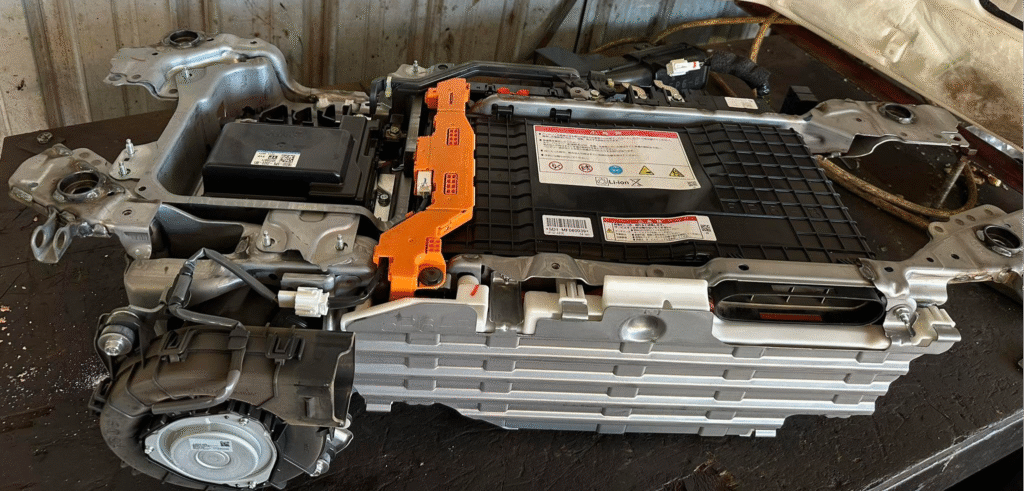
- Heat builds up – without accurate temperature data, the cooling system goes into panic mode or just gives up. Your battery pack slowly roasts itself from the inside out.
And if that red triangle of doom starts flashing? Pull over. Now. Not because you’ll explode immediately – but because you’ll destroy the entire pack if you keep driving. And nobody wants to explain to their spouse why they need a second mortgage.
What the Hell Should You Do? (Other Than Cry)
Step 1 – Stop Ignoring It
P0ACC isn’t a “check it at your next oil change” code. It’s an “urgent” code – repair importance level 3 out of 3. This is your car screaming, “I’m about to melt down, you useless sack of organic matter.” Listen to it.
Step 2 – Get a Real Diagnosis
Not from your cousin’s buddy with a $20 scanner. Take it to a hybrid shop that actually knows what a thermistor is. They will:
Scan for other codes – P0ACC loves to bring friends like P0A80 or P0A1F.
Visually inspect every wire and connector in the battery harness – because 90% of the time it’s just a loose pin.
Test the actual resistance of sensor “C” against a known good value.
Check the cooling fan and coolant pump – because if those are clogged, your battery is basically sitting in a sauna.
Step 3 – Fix the Actual Problem
If the sensor is dead – replace it. If the wiring is corroded – repair or replace the harness. If the fan is choked with dust bunnies – clean that sucker out. And if the battery management module is fried – well, that’s a deeper rabbit hole, but at least you know what you’re dealing with.
Step 4 – Clear the Code and Test Drive
Drive for about 10–15 minutes with the AC on and off, in stop‑and‑go traffic, up a hill – make the battery work. If the code comes back, your problem is more than a sensor – and you should start mentally preparing for a battery replacement. But hey, at least you didn’t ignore it until the pack turned into a charcoal briquette.
The Brutal Truth (Because You Skipped Here)
P0ACC is your hybrid’s way of saying, “I’m overheating and you don’t care.” It’s a sensor failure, but it’s also a wake‑up call. Your battery is only as smart as its sensors – and right now, one of those sensors is either dead or lying. Either way, your car is flying blind.
Ignore it, and your battery will cook itself to death. Fix it, and you get to keep bragging about your 50 MPG for another few years.
But here’s the real kicker – you caused this. You didn’t clean the fan. You didn’t check the connectors. You treated your hybrid like a toaster, and now it’s biting back.So grow up, get it diagnosed, and for the love of electrons, clean your battery cooling fan every 30,000 miles. Your car didn’t ask to be born – but it’s yours, so take care of it before it takes care of itself (by stranding you on the shoulder of I‑95).