
Hey Toyota hybrid owners — that little check-engine light can make your heart skip a beat. One common trouble code you might see is P0A7F. Don’t panic. Here’s a clear, friendly breakdown of what it means, why it happens, and what you should do next — no mechanics’ degree required.
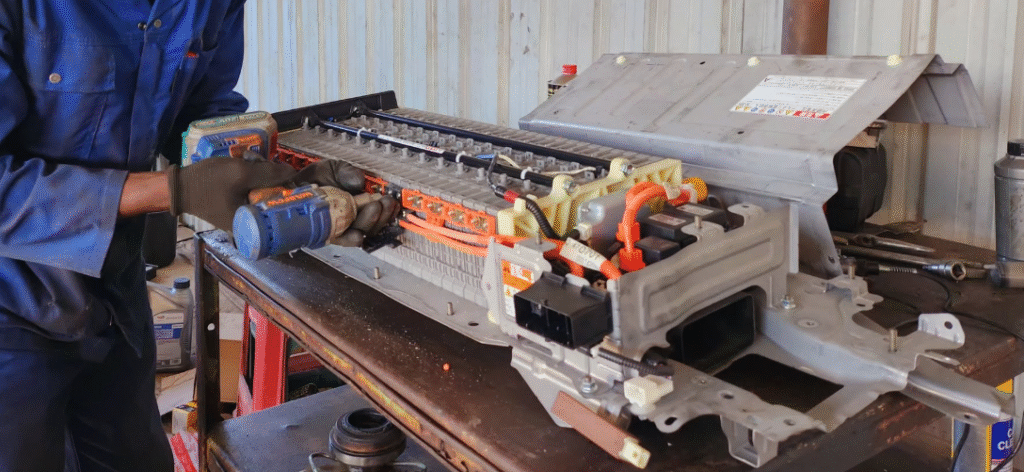
You mess with batteries, batteries mess with you
P0A7F is a generic OBD-II code that points to a problem with the hybrid battery (also called the HV battery) system — specifically a performance or condition issue detected by the vehicle’s hybrid control module. On Toyotas, it often shows up when the battery isn’t delivering expected voltage or capacity, or when the hybrid system detects irregular behavior during charging/discharging cycles.
Quick facts:
- Not necessarily a dead battery, but a sign something’s off.
- Can affect fuel economy, electric drive capability, and even safety features tied to hybrids.
- Common in older hybrids or vehicles with high mileage, but it can appear at any time.
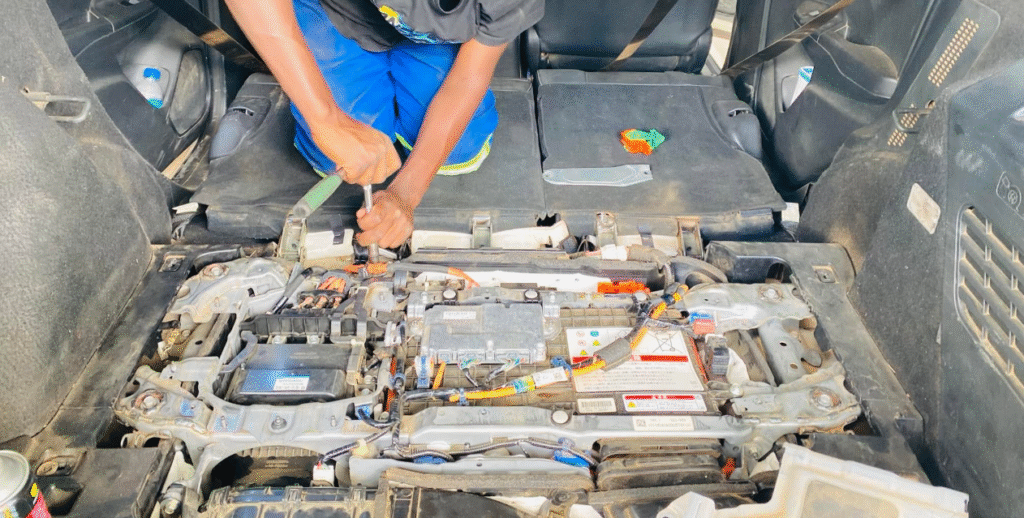
Don’t blame the battery first — it’s probably something cheaper
- Cell degradation: Hybrid batteries are made of multiple cells. Over time, some cells weaken faster than others, creating imbalance.
- Thermal stress: Excessive heat (or freezing temps followed by intense use) can harm battery performance.
- Charging/discharging extremes: Repeated heavy loads or long periods of idling can accelerate wear.
- Faulty sensors or wiring: Sometimes the hybrid system’s sensors, contactors, or wiring harnesses are the root cause — not the battery pack itself.
- Software or calibration issues: Rare, but vehicle firmware or control module glitches can misreport battery status.
Warning lights and subtle betrayal signs
- Check Engine or Hybrid System warning light.
- Reduced EV-only driving capability or sudden switch to gas engine more often.
- Lower fuel economy.
- Inconsistent acceleration or hesitation when the hybrid system tries to assist.
- Rarely: failure to start or limp mode if the hybrid control module limits power.
Before you empty your wallet, try these adult moves
- Read the code: Use an OBD-II scanner that supports hybrid codes (or let a shop read it). Confirm P0A7F and check for related codes (e.g., battery pack voltage, inverter codes).
- Soft reset: Sometimes clearing the code and driving a few cycles will reveal if it was a transient glitch. If it returns, investigate further.
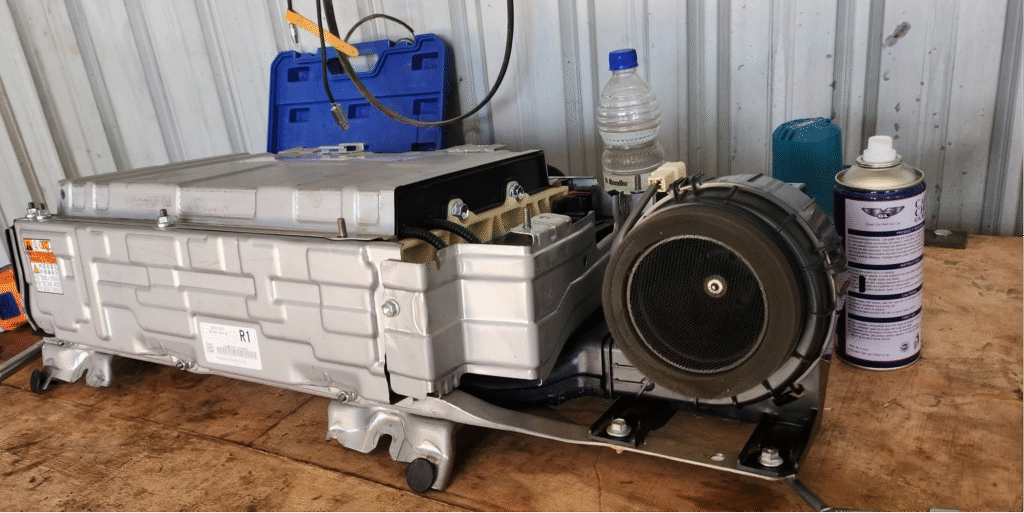
- Check battery cooling: Hybrid packs often have cooling fans or ducts. Blocked airflow or failed fans can cause overheating and trigger fault codes.
- Visual check: Look for obvious damage, corrosion, or loose wires around the battery area and high-voltage components — but don’t touch high-voltage parts unless you’re trained.
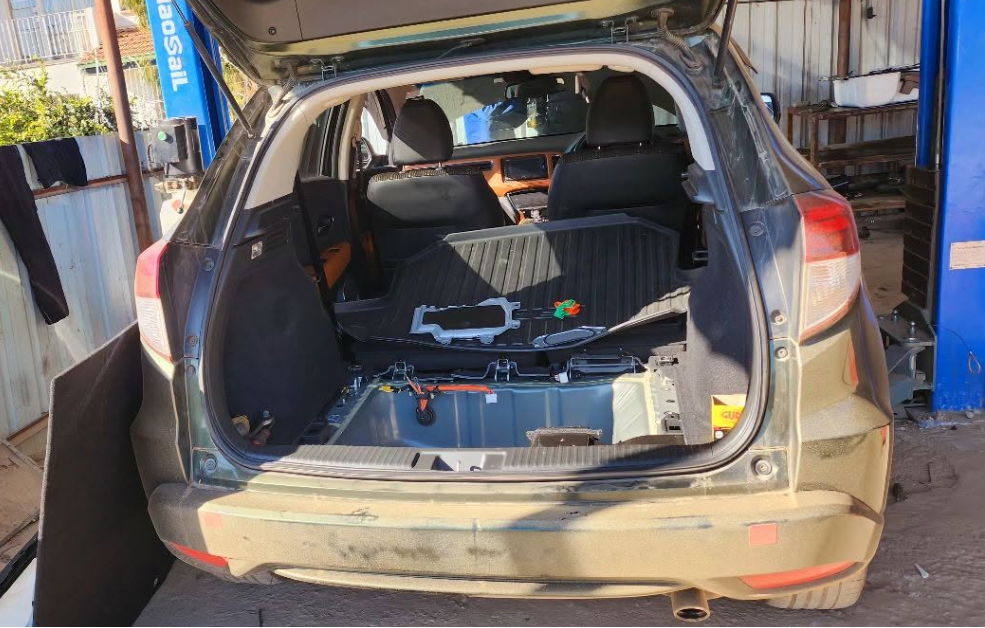
What the pros will do while you watch and try not to cry
Battery pack voltage and cell-level testing: Technicians measure module voltages to spot weak or failed modules.
Insulation and high-voltage checks: Ensures no shorts or leaks in the HV system.
Hybrid ECU and inverter diagnostics: Confirms whether control modules and sensors report consistent data.
Load testing and capacity analysis: Estimates how much capacity the pack has lost compared to OEM specs.
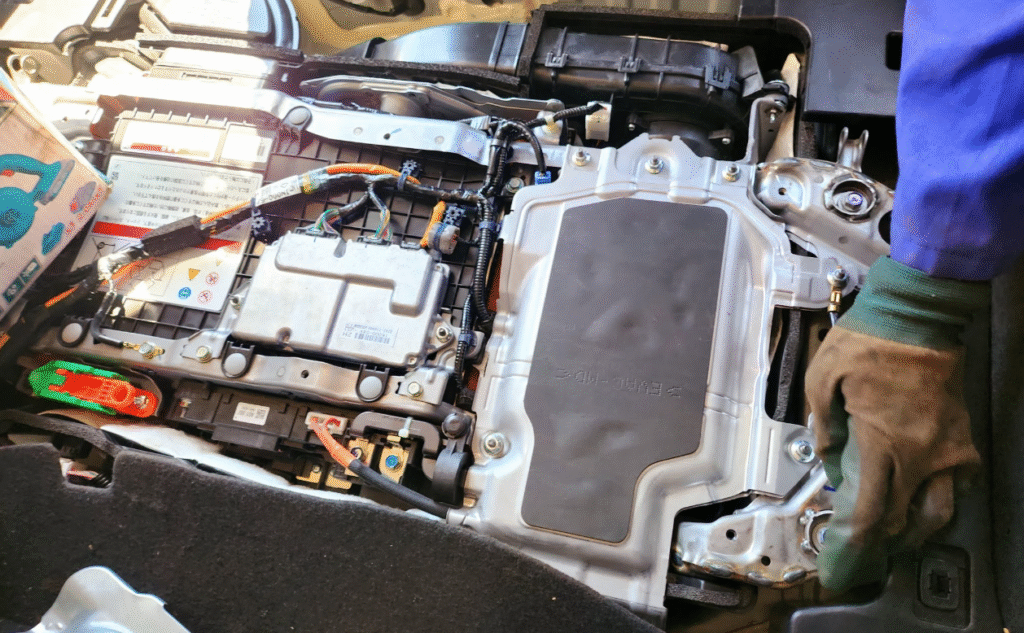
Fix it like a responsible adult (options ranked by wallet pain)
- Sensor/wiring repair: If a sensor, connector, or cooling fan is faulty, fixing it may clear P0A7F without replacing modules.
- Reconditioning/refresh: Some shops can rebalance or refresh modules, replacing only the weak cells.
- Module swap or rebuild: Replace the defective modules inside the pack instead of buying a new pack.
- Remanufactured or new hybrid battery pack: Most involved but the most reliable long-term fix.
- Hybrid ECU or inverter replacement: Only if diagnostics show controller failure.
Little things that keep your hybrid from plotting revenge
Drive regularly: Long periods of inactivity can hurt battery health.
Avoid extreme heat — parking in shade and garage storage help.
Keep battery cooling ducts/fans clean and functional.
Avoid repeated aggressive driving that forces deep cycles.
Follow Toyota’s maintenance schedule and address hybrid warnings early.
DIY? Only if you like expensive mistakes
You can check for stored codes with a proper scanner and inspect cooling airflow.
Don’t open the HV battery pack or touch orange wiring unless you’re certified — high-voltage systems can be deadly.
For module replacements or pack work, trust hybrid-trained technicians.
When to panic vs. when to book an appointment
See a pro immediately if you have sudden loss of power, persistent hybrid system warnings, or the vehicle enters limp mode.
If it’s just a single P0A7F stored without severe symptoms, schedule a diagnostic soon — don’t ignore it.
P0A7F is a wake-up call, not an obituary
This code flags hybrid-battery performance issues — sometimes fixable with simple maintenance, sometimes requiring module-level repair or pack replacement. Early diagnosis can save trouble and prevent being stranded. For Toyota owners, start with a proper scan (dealer or hybrid specialist), check the cooling system, and keep using your car regularly to prolong the battery’s life.