
The Most Important Component You Never See
When most people think of hybrid vehicles, their minds naturally gravitate toward the visible and the familiar—the sleek exterior, the quiet electric crawl through city streets, the dashboard displays tracking energy flow. But the true marvel of hybrid technology lies hidden from view, tucked discreetly beneath the rear seat, silent and unassuming: the traction battery.
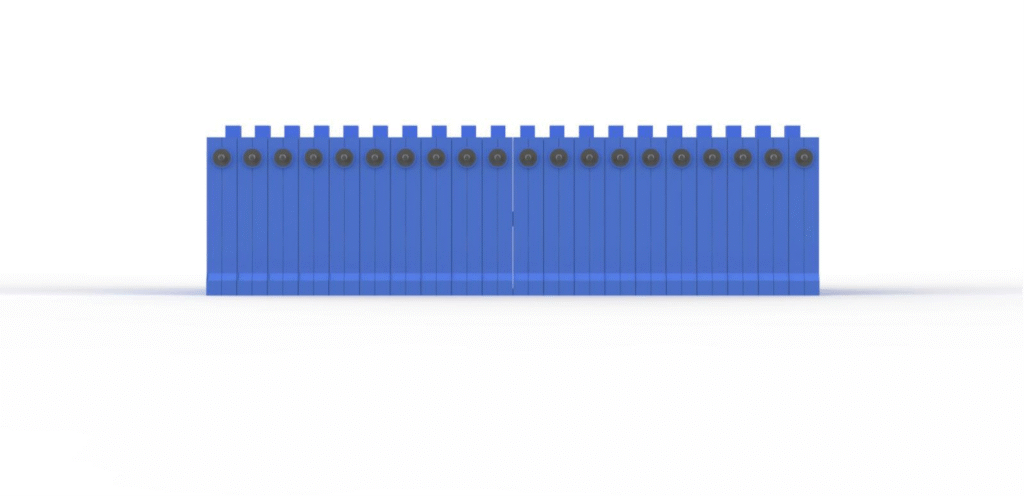
In the 2019 Lexus UX 250h, that battery was not the lithium-ion chemistry that dominates headlines and electrifies the imaginations of technology enthusiasts. Instead, Lexus engineers chose a technology with a longer pedigree, a proven track record, and a set of characteristics uniquely suited to the demands of self-charging hybrid operation: the nickel-metal hydride (NiMH) battery.
This decision was neither accidental nor nostalgic. It was the result of rigorous engineering analysis, decades of real-world data, and a deep understanding of what hybrid vehicle owners actually value. In this second episode of our series on the 2019 Lexus UX 250h, we will explore nickel-metal hydride battery technology in comprehensive detail. We will examine how these batteries work, why Lexus chose them for the UX 250h, how they contribute to the vehicle’s exceptional performance and efficiency, and—perhaps most importantly—how they are designed for sustainability, longevity, and complete recyclability. Along the way, we will highlight the vital role that companies like ours play in advancing this essential technology.
The Battery Beneath — Location and Packaging
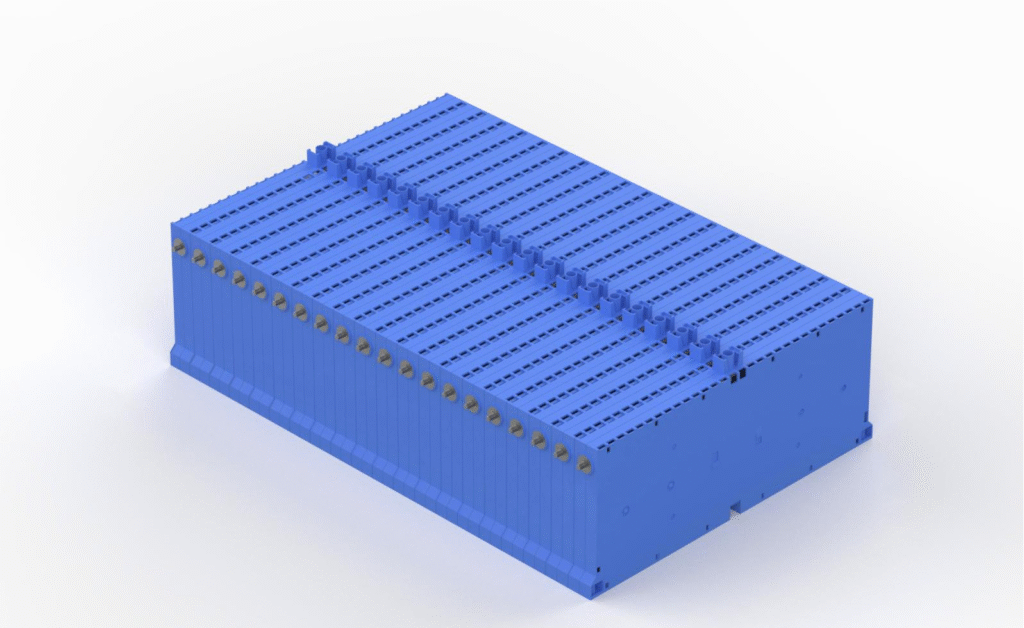
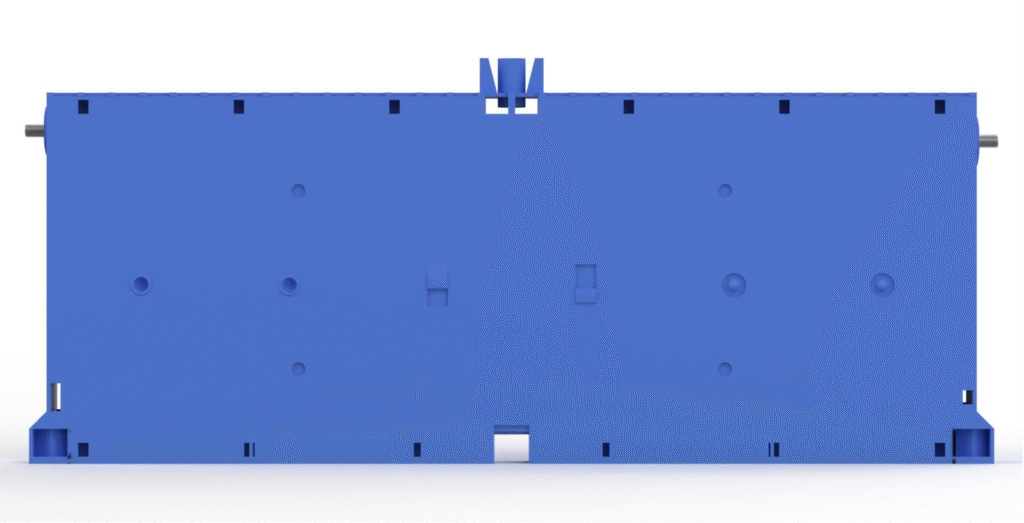
Before delving into the electrochemistry of nickel-metal hydride batteries, it is worth appreciating the ingenious packaging that made the UX 250h’s hybrid system so effective. The newly developed NiMH battery pack was located below the rear seat, a placement that served multiple critical functions simultaneously.
First and foremost, this location minimized intrusion into the load space. In many competing hybrid vehicles of the era, the traction battery was mounted in the cargo area, significantly reducing usable trunk space and creating a compromise that many buyers found unacceptable. Lexus engineers refused to accept such a trade-off. By positioning the battery beneath the rear seat—a space that would otherwise be largely unused—they preserved the UX’s cargo capacity virtually intact, allowing owners to enjoy hybrid efficiency without sacrificing practicality.
Second, the under-seat placement contributed meaningfully to the UX’s class-leading low center of gravity. Mass that is located low in the vehicle reduces body roll during cornering, improves stability, and enhances the overall driving dynamics that Chief Engineer Kako had worked so hard to achieve. With the battery pack and other hybrid components strategically positioned, the UX achieved a center of gravity lower than any competitor in its segment.
Third, the location beneath the rear seat offered thermal management advantages. Passenger cabin environments are generally maintained within a moderate temperature range, protecting the battery from the extreme heat or cold that can degrade performance and shorten lifespan in less thoughtfully designed hybrid vehicles.
The battery pack itself was remarkably compact—a testament to the advances Lexus had made across four generations of hybrid development. Its 1.4 kWh capacity, modest by plug-in hybrid or electric vehicle standards, was perfectly calibrated to the demands of self-charging hybrid operation, where the battery serves as a temporary energy buffer rather than a primary energy source.
Chapter Two: Chemistry in Motion — How Nickel-Metal Hydride Batteries Work
To understand why nickel-metal hydride technology was so well-suited to the UX 250h, one must first understand the fundamental chemistry at play. A NiMH battery consists of three primary components: a positive electrode made of nickel oxyhydroxide (NiOOH), a negative electrode composed of a hydrogen-absorbing alloy (typically a complex mixture of rare-earth metals including lanthanum, cerium, neodymium, and praseodymium), and an alkaline electrolyte—typically potassium hydroxide—that facilitates the movement of ions between the electrodes.
During discharge, the nickel oxyhydroxide at the positive electrode is reduced to nickel hydroxide, while the metal hydride at the negative electrode releases hydrogen ions that combine with hydroxyl ions from the electrolyte to form water. During charging, the process reverses: nickel hydroxide is oxidized back to nickel oxyhydroxide, and the metal alloy reabsorbs hydrogen.
This chemistry offers several inherent advantages for automotive applications. First, NiMH batteries are extraordinarily robust and tolerant of abuse. They can withstand overcharging and deep discharging better than many other chemistries without suffering permanent damage. Second, they operate effectively across a wide temperature range without requiring the complex thermal management systems that lithium-ion batteries demand. Third, they possess excellent power density—the ability to deliver high currents quickly—which is precisely what a hybrid vehicle requires for rapid acceleration assistance and regenerative braking capture.
Perhaps most importantly for the self-charging hybrid application, NiMH batteries excel in partial state-of-charge operation. Unlike some battery chemistries that prefer to be maintained at a specific state of charge for optimal lifespan, NiMH batteries can be constantly cycled between, say, 40 and 60 percent charge without significant degradation. This characteristic aligns perfectly with the operational pattern of a Lexus hybrid, where the battery is constantly being charged and discharged in small increments.
The UX 250h’s NiMH battery pack had an operating voltage that could reach up to 650 volts after passing through the boost converter, which efficiently elevated the 288-volt DC output of the battery before the inverter converted it to AC to drive the electric motors. This high-voltage architecture allowed for smaller, lighter wiring and more efficient power transfer between the battery, the power control unit, and the electric motors.
The Fourth Generation — Refinements in Battery Technology
The NiMH battery in the UX 250h was not merely an off-the-shelf component; it was a newly developed fourth-generation design specifically engineered for this platform. Over two decades of hybrid manufacturing experience had taught Lexus and its parent company Toyota invaluable lessons about battery design, manufacturing, and durability.
One of the most significant improvements in the fourth-generation design was an increase in power density. By optimizing the electrode materials and refining the cell construction, Lexus engineers achieved higher power output from a smaller, lighter package. This directly contributed to the UX 250h’s responsive acceleration and its ability to operate in electric-only mode for up to half of an average urban journey.
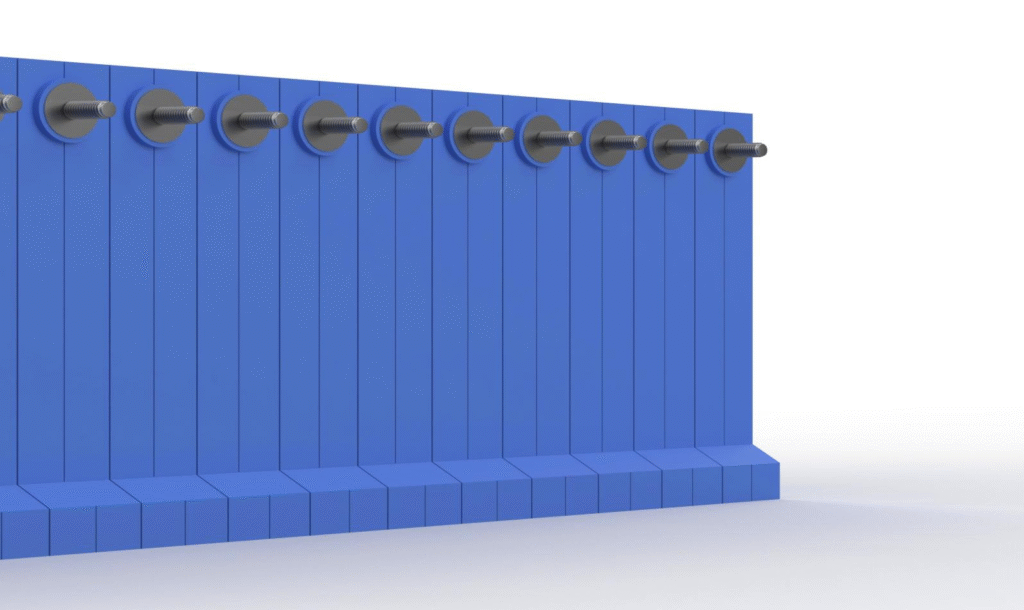
Another key refinement was the reduction of internal resistance. Every battery has inherent internal resistance that causes some energy to be lost as heat during charging and discharging. By minimizing this resistance through advanced electrode design and improved electrolyte chemistry, the fourth-generation NiMH battery achieved higher round-trip efficiency, meaning more of the energy captured through regenerative braking was actually available for subsequent electric driving.
Durability improvements were equally significant. The fourth-generation battery was designed with a projected service life equal to that of the vehicle itself—typically 10 to 15 years or more in normal use. This was not optimistic marketing; it was based on extensive real-world data from millions of Lexus and Toyota hybrids on roads worldwide, representing over 37 billion miles of driving across diverse conditions and climates.
The battery was rigorously engineered for performance and durability, backed by a comprehensive warranty that provided owners with peace of mind. In the US market, hybrid batteries were federally mandated to carry at least eight years or 100,000 miles of warranty coverage, with additional coverage for components that lose capacity more rapidly than expected. This regulatory framework, combined with Lexus’s own warranty provisions, ensured that UX 250h owners could enjoy their vehicles without anxiety about battery replacement costs.
Why NiMH, Not Lithium-Ion? — A Strategic Choice
In an era when lithium-ion batteries dominate discussions of electric mobility, one might reasonably ask why Lexus chose nickel-metal hydride for the UX 250h rather than following the industry trend toward lithium chemistry. The answer reveals much about the difference between self-charging hybrids and their plug-in or fully electric counterparts.
Lithium-ion batteries excel in applications where energy density—the amount of energy stored per unit of weight—is the paramount consideration. This makes them ideal for pure electric vehicles, where maximizing range requires carrying as much energy as possible. However, lithium-ion batteries have a less favorable profile when it comes to power density (the ability to deliver high currents quickly) and are more sensitive to temperature extremes and partial-state-of-charge cycling.
For a self-charging hybrid like the UX 250h, the battery is never required to store large amounts of energy. The 1.4 kWh capacity is sufficient for the vehicle’s needs because the battery acts as a temporary buffer, not a primary energy reservoir. What matters far more is the battery’s ability to accept high charging currents during regenerative braking and deliver high discharge currents during acceleration assistance—precisely the domain where NiMH technology excels.
Moreover, the cost profile of NiMH batteries remains advantageous for this application. The absence of cobalt—an expensive and geopolitically sensitive material—in NiMH cathodes reduces both manufacturing costs and supply chain risks. These savings can be passed on to consumers, helping keep the UX 250h’s starting price at a competitive $34,000.
Longevity is another crucial factor. While lithium-ion batteries typically experience noticeable capacity fade after several years of use, well-designed NiMH batteries exhibit remarkably stable performance over extended periods. This durability is not merely theoretical; there are countless examples of early-generation Lexus and Toyota hybrids still operating on their original batteries after 15 years and well over 200,000 miles.
The choice of NiMH technology was therefore not a compromise but an optimization—a deliberate selection of the chemistry best suited to the specific demands of self-charging hybrid operation.
The Recycling Imperative: Completing the Sustainability Circle
For all the environmental benefits of hybrid vehicles—reduced fuel consumption, lower emissions, quieter operation—those benefits are incomplete unless the battery at the heart of the system is responsibly managed at the end of its life. Here again, nickel-metal hydride technology demonstrates significant advantages, both technically and environmentally.
Lexus has established a comprehensive battery recycling program that ensures NiMH batteries from its hybrid vehicles are recovered, processed, and returned to the materials supply chain. Participating Lexus dealerships accept used high-voltage batteries from customers at no charge, a service that is free for all Lexus hybrid vehicle owners. These batteries are then sent to global recycling partners who extract the valuable nickel, rare-earth metals, and other materials for reuse in new batteries and other products.
The collection rates for these batteries are impressive. Toyota and Lexus dealers receive a new hybrid battery in exchange for an old one, leading to an average collection rate of 91 percent. Toyota Motor Europe has set an ambitious target to increase this figure to 100 percent through its own network and partnerships with recycling facilities across the continent.
But recycling is only part of the story. Toyota Motor Europe has also begun researching options for the remanufacture of NiMH batteries, potentially giving them a second life as either a vehicle battery (after appropriate refurbishment) or as a stationary energy source for applications such as grid storage or renewable energy buffering. This approach—remanufacturing before recycling—maximizes the environmental return on the energy and materials invested in the original battery manufacturing process.
For our company, this commitment to circularity aligns directly with our mission. We specialize in nickel-metal hydride battery technology, from the sourcing of raw materials to the manufacturing of finished battery packs to the recovery and recycling of end-of-life batteries. By closing the loop on battery materials, we ensure that the environmental benefits of hybrid vehicles are not undermined by the environmental costs of battery disposal.
The rare-earth metals used in NiMH battery electrodes—lanthanum, cerium, neodymium, and praseodymium—are finite resources that require energy-intensive mining and refining processes. Every battery that is recycled reduces the demand for newly mined materials, conserving natural resources and reducing the environmental footprint of battery production. This is why we are committed not only to manufacturing high-quality NiMH batteries but also to ensuring that every battery we produce eventually returns to us for responsible end-of-life management.
The Company’s Role — Advancing Nickel-Metal Hydride Technology
As a company dedicated to nickel-metal hydride battery technology, we view the Lexus UX 250h not merely as a successful vehicle but as a validation of our core technological thesis. The NiMH battery is not a legacy technology awaiting obsolescence; it is a mature, reliable, and continually improving solution for applications where durability, safety, and cost-effectiveness matter more than raw energy density.
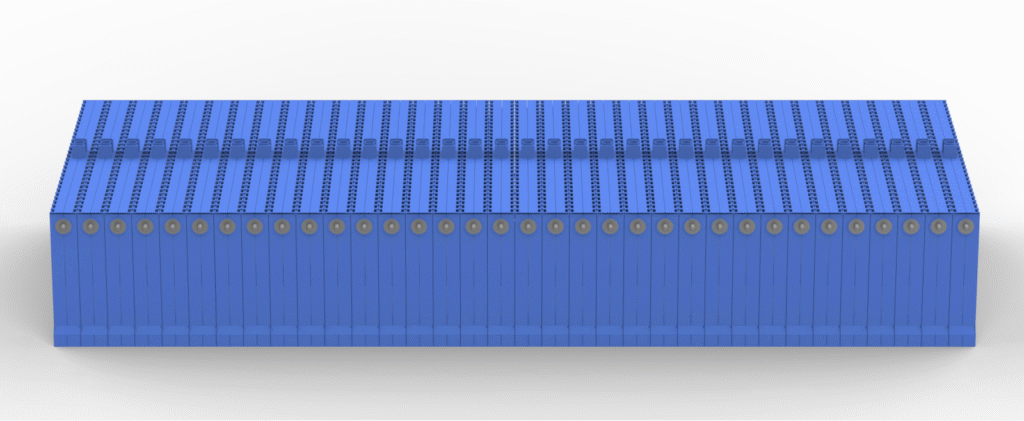
Our research and development efforts are focused on several key areas. We are working to further increase the power density of NiMH cells, reducing weight and volume while maintaining or improving performance. We are developing advanced electrode materials that offer higher efficiency and longer cycle life. And we are refining our manufacturing processes to reduce cost, improve consistency, and minimize environmental impact.
We are also deeply engaged in the battery remanufacturing and recycling ecosystem. By developing techniques to test, refurbish, and redeploy used NiMH battery packs, we can extend their useful life and reduce the demand for new batteries. When batteries do reach the end of their serviceable life, our recycling processes recover the valuable materials they contain—nickel, rare-earth metals, steel, copper, and plastics—for use in new products.
The automotive industry is undergoing a once-in-a-century transformation, and the role of battery technology in that transformation cannot be overstated. Whether the ultimate destination is full electrification or a more diverse mix of powertrains, the journey will be powered by batteries. At our company, we believe that nickel-metal hydride technology will continue to play a vital role in that journey, particularly in self-charging hybrid applications like the Lexus UX 250h.
The Heart That Never Stops
Hidden beneath the rear seat of every 2019 Lexus UX 250h, a nickel-metal hydride battery performs its duty in perfect silence. It captures energy that would otherwise be wasted, delivers power instantly when the driver demands acceleration, and enables electric-only driving through the busiest city streets. It does all of this without requiring the driver to think about it, to plug it in, or to worry about its longevity.
The NiMH battery is the silent partner in the UX 250h’s remarkable performance—and it is the reason we have devoted our company to advancing this essential technology. From the mines that produce its rare-earth metals to the factories that assemble its cells to the recycling facilities that recover its materials for future use, the nickel-metal hydride battery represents a complete ecosystem of technology, industry, and environmental responsibility.
As Lexus continues to refine its hybrid offerings and expand its electrified lineup, the lessons learned from vehicles like the UX 250h will inform the next generation of battery technology. And at our company, we will be there—developing, manufacturing, and recycling the NiMH batteries that make sustainable mobility possible.
The UX 250h proved that luxury and efficiency could coexist without compromise. The nickel-metal hydride battery proved that proven technology could evolve to meet new challenges. And together, they demonstrated that the future of mobility is not about choosing between what is new and what works—but about recognizing that the two are not mutually exclusive.