
The global landscape for Ni-MH hybrid replacement batteries exhibits notable imbalance across international territories. While some markets benefit from well-established component distribution channels, other regions display clear aftermarket supply gaps for Japanese and American hybrid vehicle parts. For wholesale distributors, importers and trade partners serving hybrid aftermarket segments, recognising where these structural shortages occur opens tangible commercial opportunities, while avoiding blind-spot risks associated with incomplete local supply networks. This analysis remains purely market-driven, focusing on commercial dynamics rather than technical performance of battery hardware.
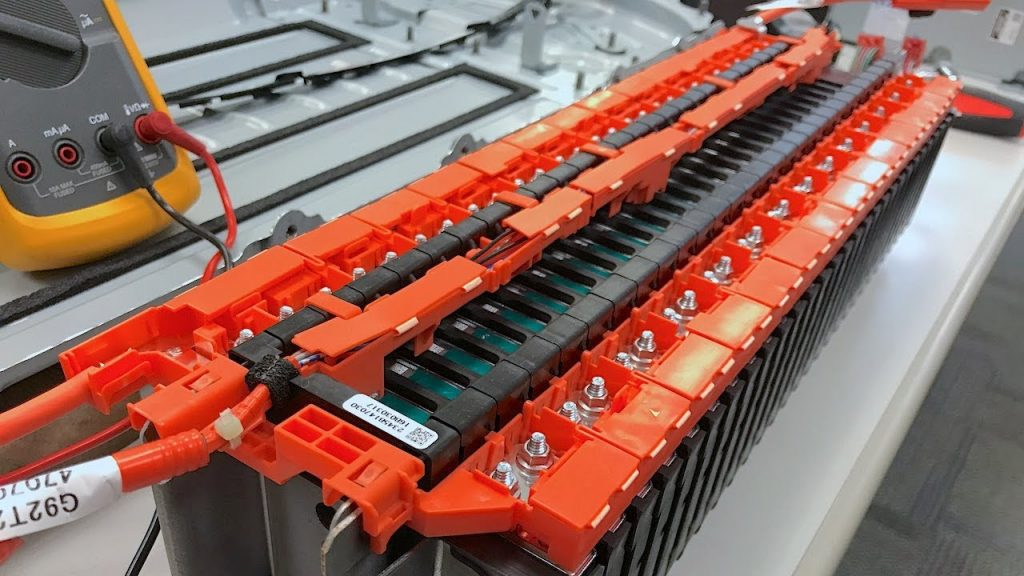
Supply shortage does not always equate to large overall market size. Several layered variables define whether a territory develops meaningful aftermarket gaps. First is the scale of in-country hybrid vehicle parc: a sufficient volume of ageing Japanese and American hybrid units must circulate on local roads to generate consistent replacement-part demand. Second is the maturity of domestic wholesale infrastructure. Markets with limited specialised hybrid-parts importers struggle to match growing repair-order volumes, even when vehicle numbers continue to expand. Third is historical OEM after-sales commitment. Regions where original manufacturers have scaled back local spare-part support will naturally push repair businesses toward independent aftermarket sources. Fourth is cross-border logistics complexity, including import regulation, tariff frameworks and local-market familiarity among component suppliers. These four factors collectively determine how acute local supply gaps will become.

Multiple market zones show pronounced undersupply for hybrid Ni-MH replacement batteries. Certain European secondary markets represent one clear category. Major Western-European hubs maintain dense networks of auto-parts wholesalers, yet peripheral European territories face constrained availability. High volumes of used-import Japanese hybrid vehicles operate within these regions, but few local distributors maintain dedicated hybrid-battery assortments. Local repair operators frequently face long lead-times when sourcing compatible replacement units, forcing them to source from distant international suppliers or accept limited-assurance refurbished alternatives. In such contexts, reliable wholesale supply of new-aftermarket battery references delivers immediate competitive advantage for importers willing to serve these geographies.

Beyond Europe, selected emerging markets present another set of high-potential gaps. Large volumes of pre-owned Japanese hybrid units arrive via second-hand-vehicle import channels. These territories build up substantial ageing hybrid fleets within a compressed timeframe, while local aftermarket ecosystems lag behind fast-growing vehicle stock. Local auto-parts businesses typically specialise in conventional combustion-engine components; hybrid-specific replacement parts remain outside many standard product portfolios. Repair shops face real-world difficulties securing correctly-matched battery references, and end-vehicle owners face extended repair downtime. This creates unmet demand for consistent, trade-ready hybrid-battery supply flowing into these markets.
Even within established mature markets, partial supply gaps emerge for selective product references. While North America possesses deep aftermarket infrastructure overall, certain niche American-hybrid and less-common Japanese-hybrid SKUs suffer from limited local stocking. Major domestic wholesalers prioritise highest-turning-volume references; lower-volume yet steady-demand battery lines receive minimal domestic inventory allocation. Repair businesses must then pursue cross-border sourcing routes when those specific units fail. This demonstrates that supply gaps are not exclusive to emerging economies; they can manifest as product-specific shortages inside well-developed markets as well.
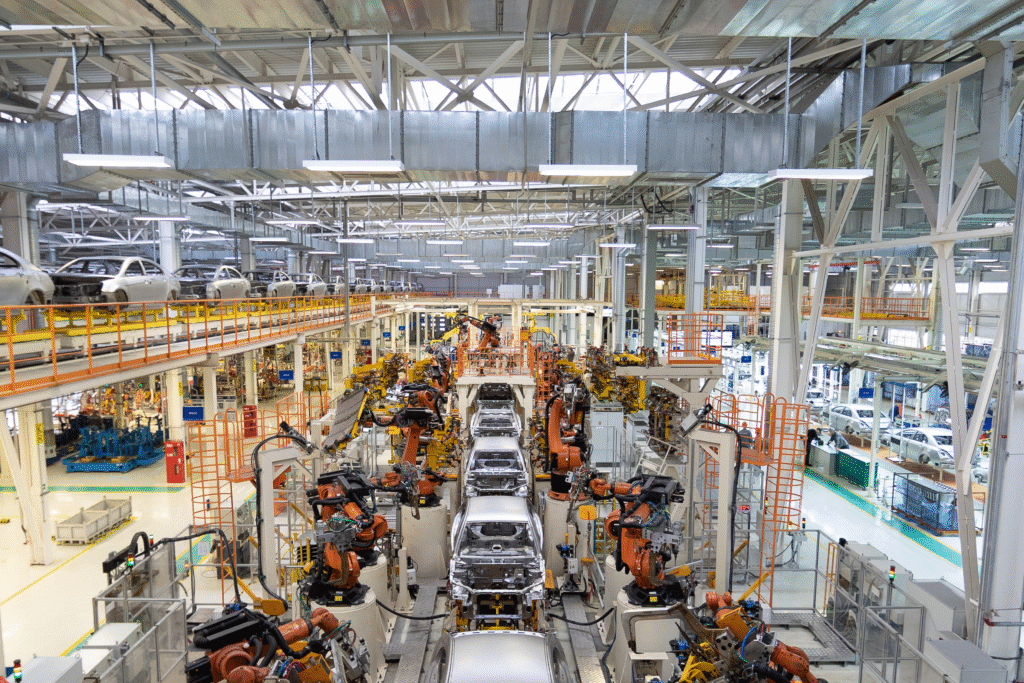
For B2B distributors, identifying underserved geographies carries meaningful strategic implications. Entering gap-heavy markets does require thoughtful commercial preparation. Partners must evaluate import compliance requirements, local competitive dynamics, and realistic order-volume expectations before committing heavy inventory resources. Over-estimating immediate turnover in underserved territories represents a common business pitfall. Markets with obvious component shortages do not always translate instantly into large-volume orders, given local purchasing power, payment preferences and existing trading relationships. Successful market entry often begins with targeted SKU selection rather than full-range stocking.
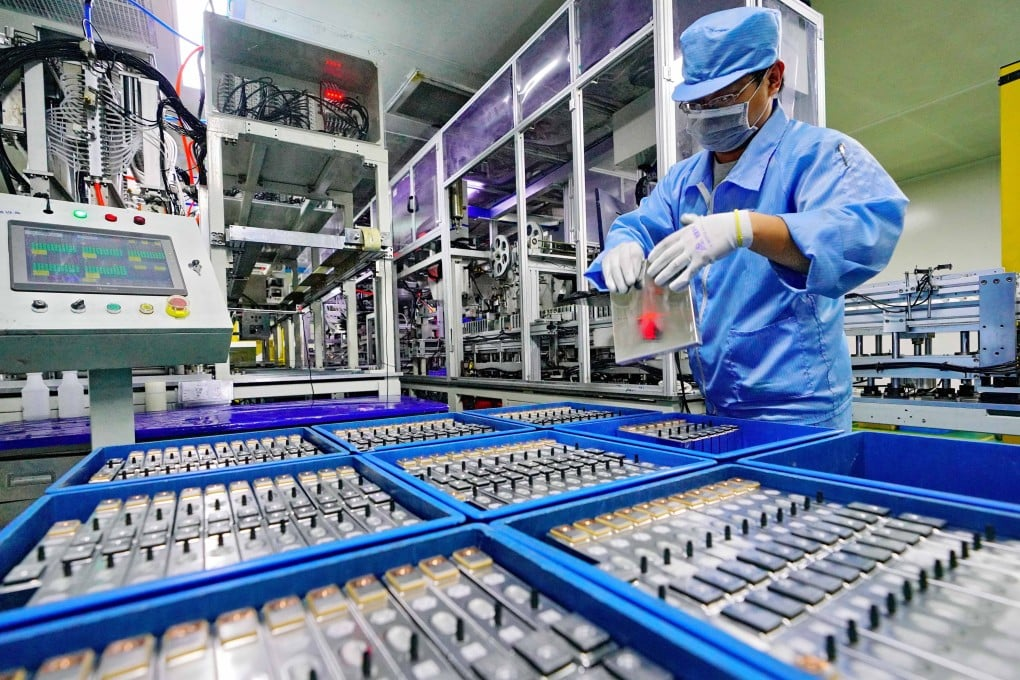
Wholesalers can adopt two practical operating models for gap-rich regions. One approach builds targeted local inventory for highest-demand references, enabling fast local fulfilment for repair-shop clients. The alternative model leverages overseas-supplier allocation, fulfilling orders via direct cross-border shipment without heavy local warehousing exposure. Each format carries distinct capital and risk profiles, and business operators should align operating mode with their own company’s financial capacity and risk tolerance. Transparent communication with downstream repair-shop clients about expected lead-times remains essential whichever route distributors select.
In summary, uneven global distribution of Ni-MH hybrid replacement batteries creates observable aftermarket gaps across a mix of peripheral mature-market territories and high-growth emerging-market zones. These gaps stem not from product unavailability globally, but from misalignment between regional hybrid-vehicle-parc growth and local wholesale-network development. Distributors capable of mapping these market realities, calibrating product portfolios and choosing appropriate fulfilment frameworks will capture untapped business potential. Those who treat every national market as homogenous risk overlooking promising niches or misallocating working capital. Understanding where supply falls short represents foundational market intelligence for any participant active within the international hybrid-battery wholesale trade.