
Within the broader automotive aftermarket, Ni-MH replacement batteries for Japanese and American hybrid vehicles represent one of the most compelling high-potential categories for wholesale distributors. Even so, real-world profit performance varies widely across market participants. Gross return levels are not fixed product attributes; they are shaped by inventory strategy, supplier partnership terms, local competitive landscape, downstream client profile and risk-related cost factors. For B2B operators, building sustainable profitability requires a nuanced understanding of the full profit pool, beyond superficial per-unit markup figures.
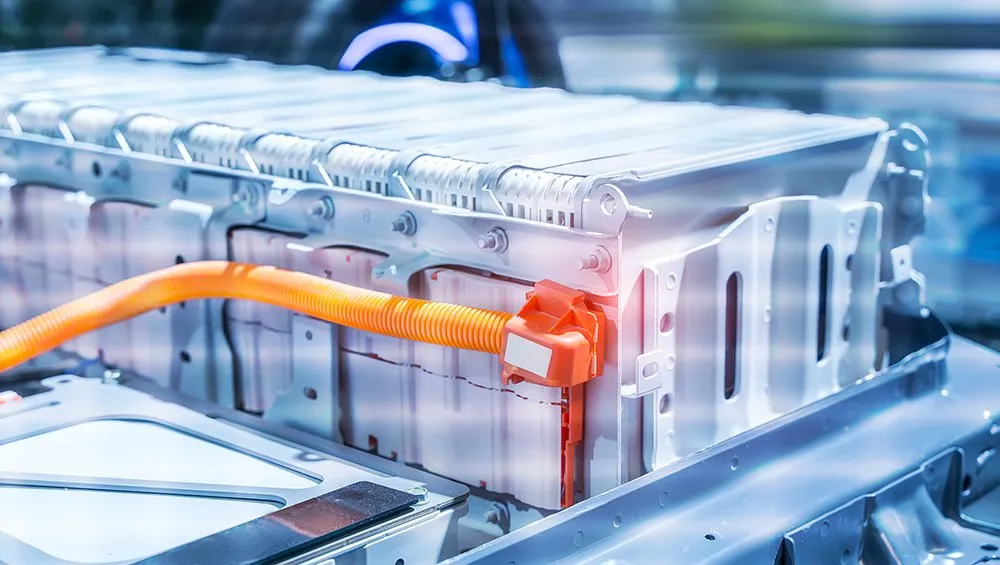
Many industry observers focus exclusively on headline gross margin percentages when evaluating hybrid battery business attractiveness. While per-unit gross profit is meaningful, wholesale profitability cannot be judged in isolation from associated commercial overheads. Hybrid battery SKUs carry comparatively higher capital lock-up when held as physical inventory. Storage requirements, outbound freight expense, cross-border logistics costs, warranty-related contingency, and potential obsolescence risk all draw from the nominal gross margin per unit. A battery line delivering impressive theoretical markup can deliver modest net returns if inventory turns slowly, or if unexpected logistics and claim-related costs accumulate over time. This reality separates theoretical profit potential from the actual bottom-line results realised by distributors in the field.
Significant profit divergence exists across different product references within the Ni-MH hybrid battery segment. SKUs serving extremely high-volume vehicle platforms tend to attract intense aftermarket competition. Multiple independent suppliers target these well-known models, creating persistent downward pressure on wholesale price points and compressing achievable gross margins. By contrast, lower-volume yet steady-demand hybrid models often deliver healthier commercial returns for distributors. Fewer market players prioritise these references; competitive intensity softens, and downstream repair-shop clients demonstrate greater willingness to accept reasonable price levels, given limited alternative sourcing channels. Savvy wholesale operators balance their product portfolio between high-volume, thinner-margin flagship SKUs and selective niche references that strengthen overall business profitability.
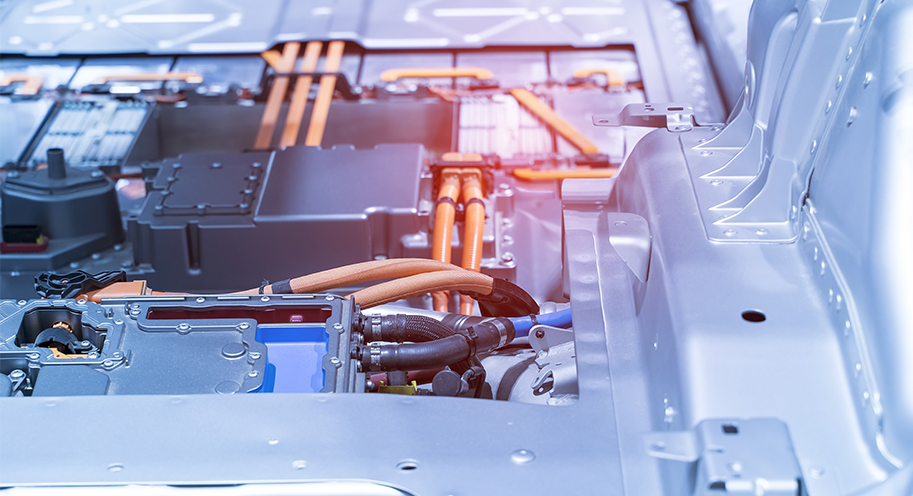
Customer segmentation also reshapes real-world profit outcomes. Distributors supplying large-chain repair networks face consistent order volume, yet these buyers typically negotiate aggressive wholesale pricing and impose strict service-level requirements, squeezing per-unit returns. Working with independent local repair shops yields different dynamics: order sizes tend to be smaller per transaction, yet local workshops commonly accept healthier wholesale price levels, and long-term repeat relationships build stable recurring revenue streams. Many successful wholesalers construct a mixed customer base, combining anchor-volume accounts with a broad base of independent repair clients to optimise overall profit composition.
Supplier selection exerts outsized influence on long-term profitability, extending far beyond simple unit purchase price. A lower wholesale purchase price can prove deceptive if accompanied by ambiguous warranty boundaries, inconsistent product consistency, unpredictable lead-times, or weak after-sales support. Hidden costs emerge when product-related disputes consume management time, or when delayed shipments cause distributors to lose downstream business. Reliable supplier frameworks with clear warranty terms, stable allocation policies, and transparent communication reduce unplanned operational losses and protect the distributor’s profit pool. Experienced market participants routinely evaluate total cost-of-doing-business rather than benchmarking offers on unit price alone.

Inventory strategy remains another decisive profit lever. Full stocking of every existing hybrid battery reference is capital-intensive and carries obsolescence exposure. Many profitable distributors utilize a hybrid operating model: holding targeted stock for fast-moving core SKUs, while leveraging supplier order-allocation for moderate-volume references to avoid over-extending working capital. This approach balances fast order fulfillment for priority clients against prudent capital management. Over-stocking slow-moving SKUs ties up capital and erodes profitability, while insufficient preparedness on high-demand lines generates lost sales opportunities. Finding that equilibrium is central to sustained commercial success.

In final analysis, the Ni-MH hybrid replacement battery aftermarket continues to offer substantial business opportunity for distributors serving Japanese and American hybrid vehicle fleets. Nonetheless, attractive returns do not arrive automatically. Profitability is built through balanced product mix, thoughtful customer-base management, intelligent inventory governance, and partnership with suppliers who deliver predictable commercial frameworks. Distributors who look past superficial markup figures and assess complete profit-pool dynamics will build more resilient, scalable wholesale businesses within this growing aftermarket vertical.