
You know that moment. You’re cruising down the highway, feeling good about your life choices—the fuel economy, the quiet hum of electric power, the smug satisfaction of owning a vehicle that’s saving the planet one mile at a time. Then BAM. That little orange engine light pops up like an uninvited guest at a dinner party. Your dash starts screaming “Check Hybrid System” like it’s the end of the world. And somewhere in the depths of your car’s computer, a code appears: P0BAB.
Congratulations. Your hybrid just told you it’s having a tantrum.
What on earth is P0BAB?
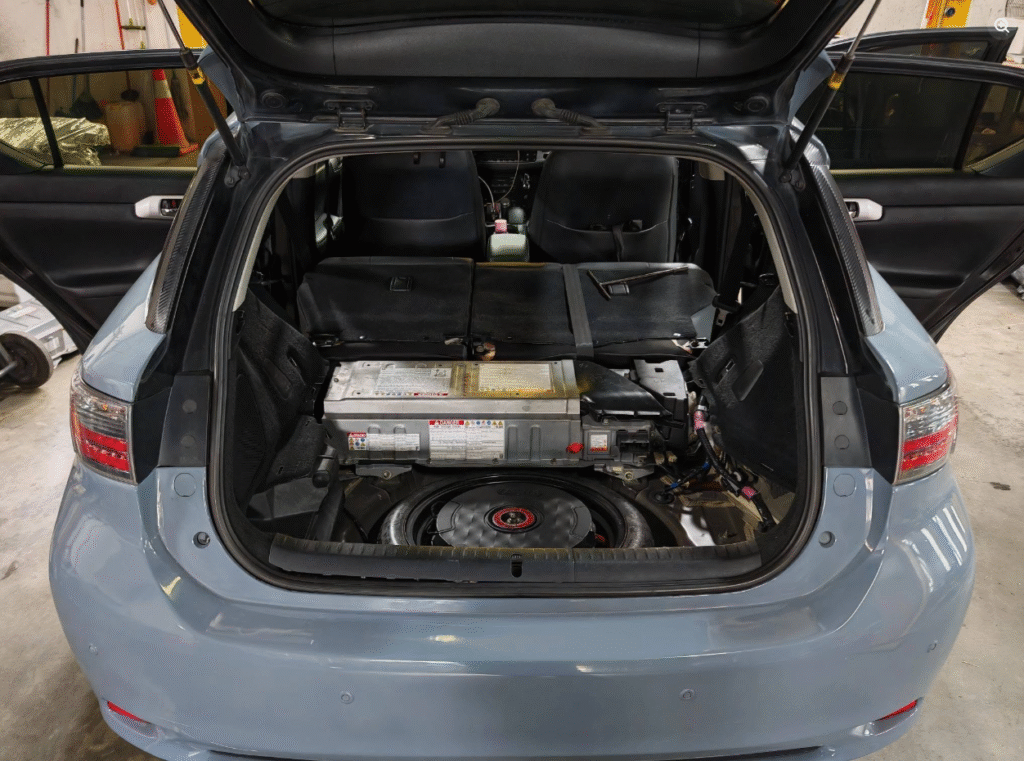
Let’s cut the corporate jargon. P0BAB is the OBD-II diagnostic trouble code that translates to “Hybrid/Electric Vehicle Battery 23 Circuit Low Voltage”. In plain English? One of the 96 cell groups inside your high-voltage battery pack decided it didn’t feel like pulling its weight today.
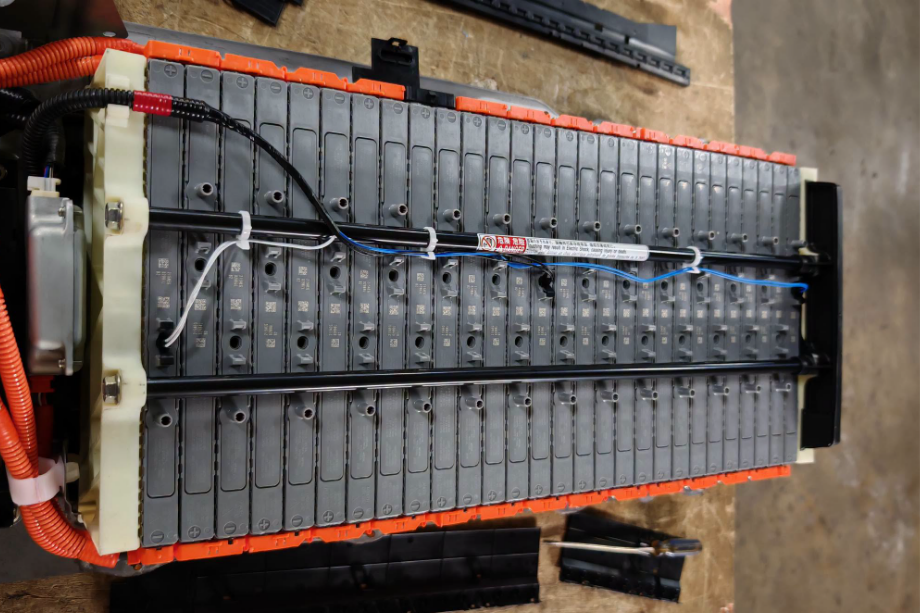
Here’s the nerdy part—and trust me, I’ll keep it painless. Your hybrid battery isn’t one big battery. It’s 288 individual cells welded together in groups of three, forming 96 cell groups, all strung together like a really expensive Christmas light set. Each group is supposed to deliver about 3.7 volts, adding up to roughly 355 volts of direct current. That’s enough juice to make your hairdryer look like a AA battery.
Circuit 23 is one of those 96 cell groups. And P0BAB means the voltage in that specific circuit has dropped below where it’s supposed to be. Your car’s battery energy control module—the brain that monitors all this madness—caught the slacker red-handed and threw a code faster than a teenager getting caught sneaking out.
Symptoms: how your car is messing with you
Before you even scan for the code, your car will give you plenty of hints that something’s wrong. Because hybrids are passive-aggressive like that.
– That lovely orange engine light staring at you like a disappointed parent
– Reduced acceleration—because nothing says “fun” like mashing the pedal and getting the response of a dying snail
– Fuel economy taking a nosedive—suddenly your 50 MPG feels more like 25, and your wallet is crying
– The car refusing to run in electric-only mode—because why would it make your life easy?
– General drivability issues—stuttering, hesitation, the whole “please don’t leave me stranded” vibe
Why this is happening (and who to blame)
The possible causes are about as fun as a root canal:
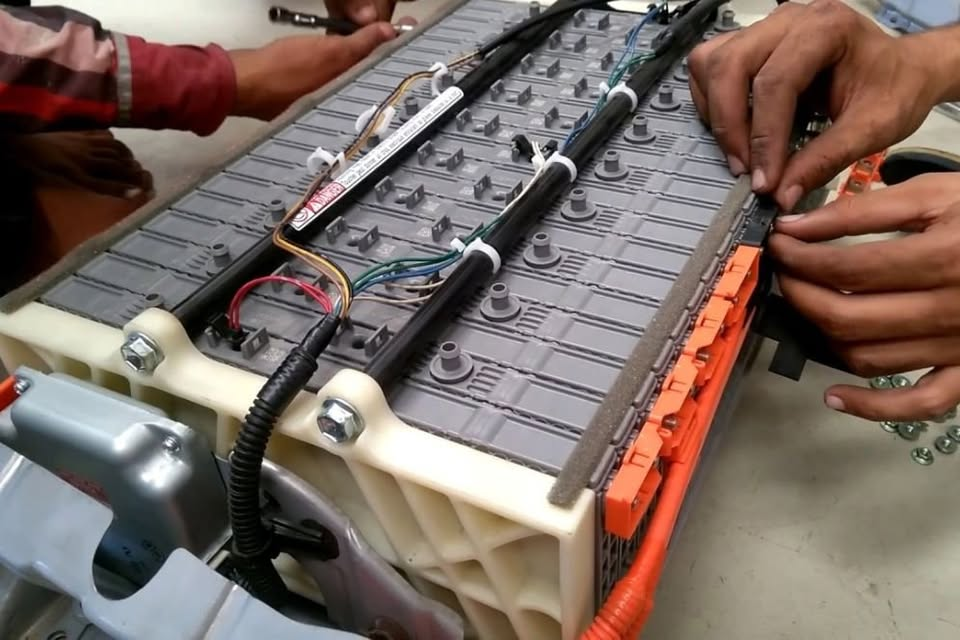
1. A faulty hybrid battery pack—the most expensive option, because of course it is. One or more cells in that 288-cell circus decided to call it quits.
2. A faulty battery interface control module—the middleman between your battery cells and the car’s brain decided to stop doing its job. Real helpful, buddy.
3. Damaged wiring or corroded connectors—because nothing says “quality engineering” like a $50 piece of wire bringing down your $5,000 battery system. Broken pins, bent connectors, corrosion—take your pick.
4. A malfunctioning battery management system—the computer that’s supposed to keep everything balanced decided to take a nap.
Can you still drive it? (Spoiler: no)
Technically? Yes. Should you? Absolutely not.
The repair importance level is rated Urgent (3/3) and the difficulty is Advanced (Pro, 3/3). This isn’t a “I’ll get to it next oil change” kind of problem. If that warning light is flashing or your car is running like garbage, pull over and call a tow truck. Driving with a wonky high-voltage battery is like playing Russian roulette with your wallet—and possibly your safety.

The fix: brace your wallet
Here’s the fun part. The diagnosis alone will cost you about an hour of labor—anywhere from $80 to $150 at an independent shop, more if you’re dumb enough to take it to a dealership.
The actual repair? Buckle up.
A simple fix—like cleaning corroded terminals or replacing a section of wiring—might run you $200 to $500. But if you’re looking at a faulty battery interface control module or, God forbid, a dead cell group? We’re talking $200 to $800 easy. And if the entire battery pack needs replacing? Start googling “second mortgage.”
The DIY approach (please, don’t)
If you’re the type who watches one YouTube video and thinks you’re a mechanic, here’s what the internet will tell you:
1. Visually inspect the wiring harness and connectors
2. Check for broken, bent, or corroded pins
3. Test the battery voltage with a multimeter
4. Clear the code and pray
Stop right there. This is a high-voltage system we’re talking about. 355 volts DC will kill you faster than you can say “P0BAB.” Leave this to professionals who know what they’re doing and have the fancy insulated gloves to prove it.
The silver lining (yes, there is one)
Here’s the truth nobody tells you: P0BAB doesn’t always mean your entire battery is toast. Sometimes it’s just a wiring gremlin. Sometimes it’s a single cell group that can be replaced individually. Toyota and Lexus hybrids—the most common victims of this code—have serviceable battery sections. You might not need to replace the whole damn thing.
The bottom line
P0BAB is your car’s way of saying “Hey, idiot, something in my battery is broken.” It’s not the end of the world, but it’s not something you ignore either. Get it diagnosed. Get it fixed. And for the love of all that is holy, don’t try to fix it yourself unless you have a death wish and a very understanding life insurance policy.
Your hybrid was supposed to save you money on gas. Nobody said anything about saving you from expensive repairs.
Now go call a mechanic. And maybe start a savings account while you’re at it.