
Hey Toyota Hybrid Fam! Remember when we talked about P1AE7 – that whole “my insulation blanket has a hole” drama? Well, guess what? Your car has another way to freak you out. You’re cruising along, everything feels fine, and then – BAM – that little orange check engine light pops up. You plug in your scanner, and there it is: P3009.
Don’t panic. Your Toyota isn’t exploding. It’s just… being a little dramatic about its electricity.
So What the Heck Is This Code Actually Saying?
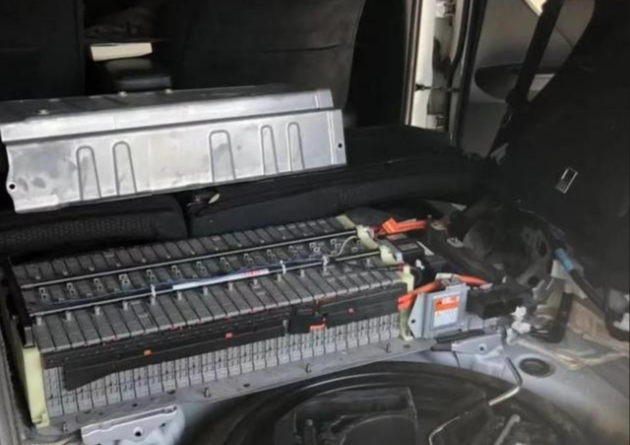
In plain English, P3009 means your hybrid’s high-voltage system has detected an “electric leak.”
But hold up – we’re not talking about fluid leaking all over your driveway. No, no. This is an electrical leak – meaning high voltage is finding a path to ground (aka your car’s metal body) when it really, really shouldn’t. Think of it like this: your high-voltage system is supposed to be isolated from everything else. The 12V system is everywhere around us – lights, radio, windows – and that’s totally safe. But the high-voltage battery? That juice needs to stay inside its own little world.
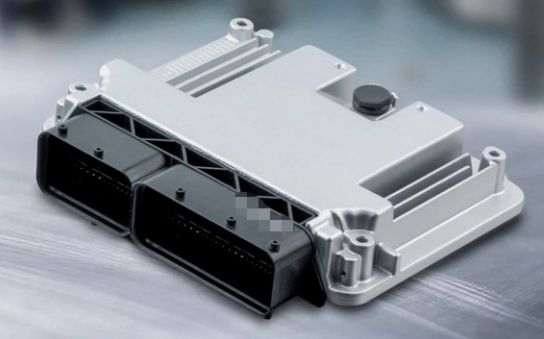
P3009 is your Battery ECU raising its hand and saying: “Uh, boss? I checked the resistance between the high-voltage circuits and the chassis, and it’s 100 kilo-ohms or less. That’s… not great. Basically, your car’s high-voltage system has a tiny “shortcut” to the car body that it didn’t ask for. The Japanese translation for this code is actually “High Voltage Leak Detective” – which honestly sounds way cooler and makes your car sound like Sherlock Holmes.
Should You Be Panicking Right Now? (Spoiler: Probably Not)
Probably not right this second. But here’s the thing – P3009 is a safety code. [3†L31-L32] Your car takes this stuff seriously because high voltage + human body = bad time. On some Toyota models, once this code is stored, the car won’t even let you put it in “Ready” mode – it just refuses to start. So if you’re stuck in a parking lot with this code, yeah, you might need a tow.
Why It’s So Vague – and What Usually Causes It
Here’s the annoying part: P3009 is not specific. At all. [5†L28-L31] It’s like your car saying “something’s wrong somewhere” and leaving you to play detective. The list of possible causes is basically a Toyota parts catalog:
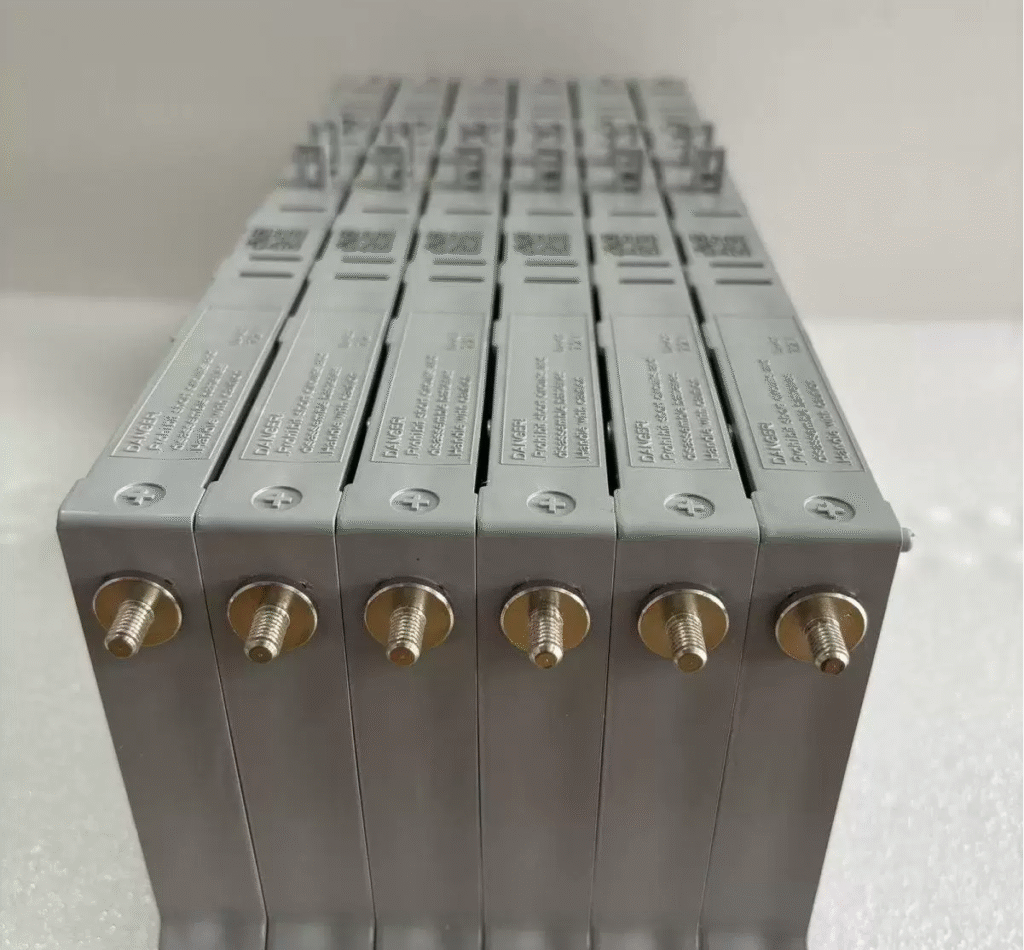
The HV battery assembly – could be corrosion inside the battery case
The inverter/converter assembly – especially common on 2004–2005 Prius with info codes 526 & 614
The transaxle – yep, the transmission. The fluid in there is hygroscopic, meaning it absorbs moisture from the air. When it gets old and watery, it becomes electrically conductive.
Power cables – the orange ones you’re not supposed to touch
The system main relay, battery ECU, battery temperature sensor – basically any component in the high-voltage loop
One shop even fixed a P3009 by… changing the transmission fluid. [8†L16-L19] Wild, right? The old fluid had absorbed so much water over 166,000 miles that it was basically conducting electricity. New fluid, problem gone.
Your First Move – and Please, Stay Away from Orange Cables
First: Do NOT poke around the orange high-voltage cables. Seriously. That’s 200+ volts of “I will ruin your day.” Leave that to the pros.
Second: Take it to a shop that knows hybrids – Toyota dealer or a trusted hybrid specialist. They have the right tools (like a megohmmeter or “megger”) to test insulation resistance properly. A regular corner garage might not have the gear or training to pinpoint where the leak is actually coming from.
The #1 Scam to Watch Out For at the Repair Shop
Alright, this is where the real talk happens. P3009 is a golden ticket for shady shops because they know “hybrid battery” sounds expensive and scary. Here’s how to not get played:
Ask for the diagnostic fee upfront. Most dealers charge 1–2 hours of labor just to read the code and run isolation tests. Get the price before they start. If they quote you $300+ just for diagnosis, call around.
Demand to see the subcodes. Later Toyota models store information codes within P3009 that help pinpoint the problem. If they can’t tell you which subcode popped up, they might not have done a proper scan. On 2004–2005 Prius, if you see info codes 526 AND 614 together, there’s actually a TSB (Technical Service Bulletin) for that – it points to the inverter/converter assembly.
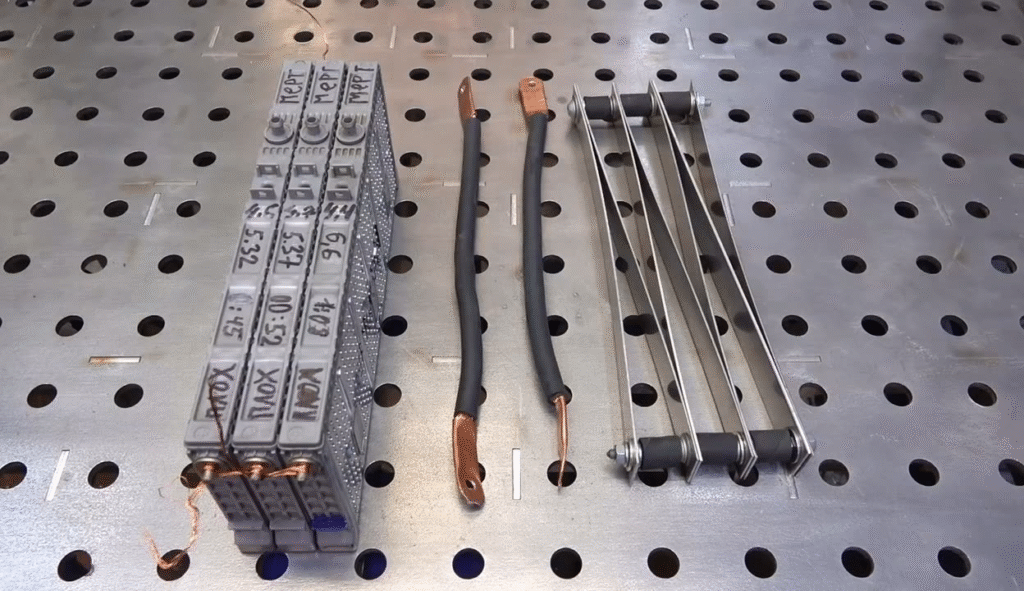
Don’t let them sell you a whole battery right away. This is the big one. P3009 can be caused by so many things that aren’t the battery itself – old transmission fluid, a corroded connector, a bad cable, moisture in the wrong place. A dealer might quote you $3,000–$6,000 for a new battery when the fix could be as simple as a fluid change or cleaning corrosion off the battery cover. Ask: “Have you ruled out the cables, the transaxle, and the inverter first?” If they say “we always replace the whole battery for this code,” walk away.
Get a second opinion. Hybrid specialists (independent ones) often have way more experience with these specific codes than dealer techs and might charge less. Look for shops that specifically say “hybrid battery repair” – not just “general auto.”
Ask if they checked the transmission fluid. Seriously. After that 2003 Prius story, this should be step one for any good tech. [8†L24-L25] If they haven’t even looked at the fluid, they’re not doing their homework.
Get everything in writing. Written estimate before work starts. If they find extra issues later, they call you for approval – no blank checks.
Don’t Pay a Dime Before You Check This Warranty
If your Toyota is still under the 8-year/100,000-mile hybrid warranty (or longer in CARB states like California), this could be covered at no cost. That includes diagnosis, parts, and labor. On 2004–2005 Prius with the specific inverter issue, Toyota actually issued a TSB and covered it under the hybrid warranty.
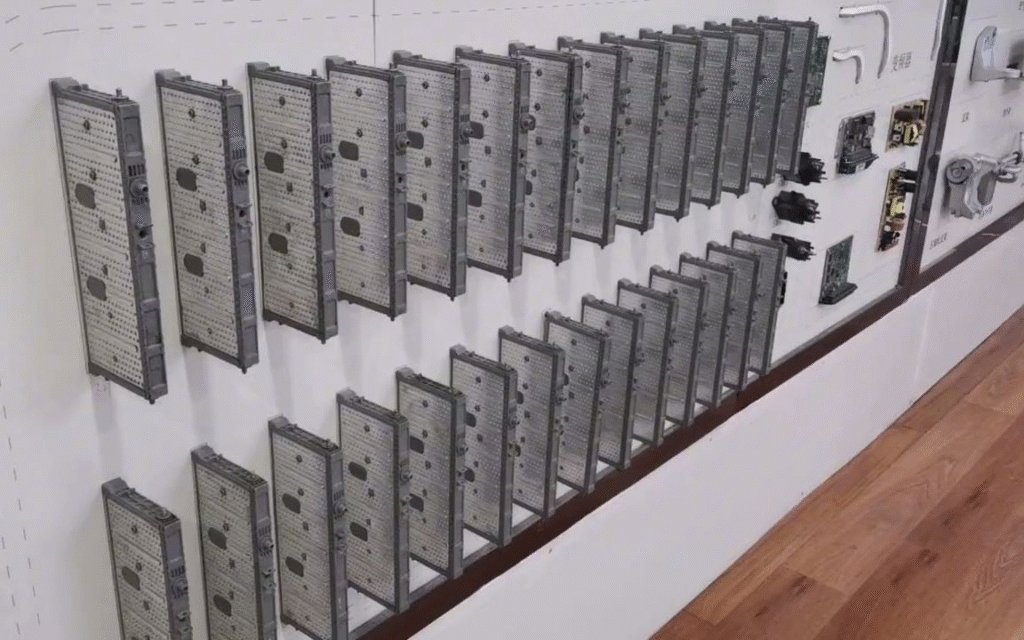
Even if you’re just barely out of warranty, it never hurts to ask the dealer to contact Toyota corporate for “goodwill” assistance – especially if you have a service history with them.
Final Take – Annoying? Yes. World-Ending? No.
P3009 is your car being extra about a high-voltage “leak” that could be coming from a dozen different places. The good news? Half the time it’s not even the battery – it could be old transmission fluid, a corroded wire, or a sensor throwing a fit.
Get it diagnosed by someone who actually knows hybrids, don’t let them upsell you a battery you don’t need, and check that warranty before you open your wallet. Your Toyota will thank you.
P.S. – If your car won’t start at all (“Ready” light stays off), don’t keep trying to force it. Call a tow truck and a pro. High voltage is NOT something to mess with. Safety first, fam! And remember – you got this. Now go be a better detective than your car.