
Picture this: You’re cruising along, feeling good about your eco-friendly life choices, when suddenly – bam – that little orange glow appears on your dashboard. You plug in your scanner, and there it is: P0B74.
It doesn’t sound like much. Just a letter, a number, and a zero that looks suspiciously like it’s staring back at you with judgment. But here’s the thing – P0B74 is your hybrid’s way of saying something’s gone wrong in the electrical neighborhood.
And unlike your last code (P3065, the temperature sensor having a tantrum), this one is about voltage. Specifically: “Hybrid Battery Voltage Sense ‘L’ Circuit Low” .
Translation? Your battery management system is trying to read the voltage on one of its circuits, and it’s getting back a number that’s… well, depressing. Like checking your bank account after a long weekend.
The Battery Has 96 Rooms – and One of Them Isn’t Answering
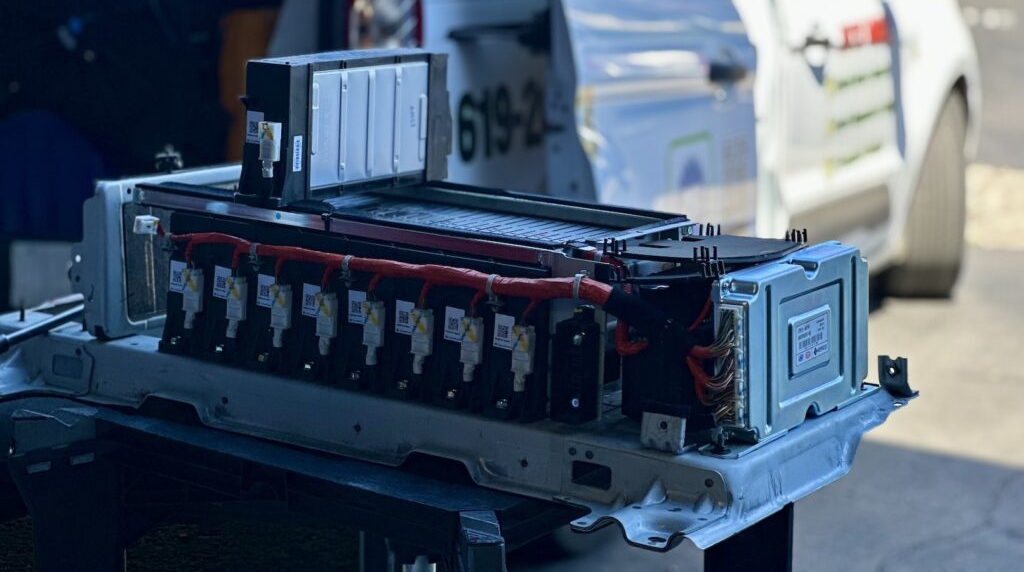
Here’s the thing about your hybrid battery: it’s not one big battery. It’s 96 cell groups wired together in series . Each group is rated at 3.7 volts, giving you a total system voltage of about 355 volts DC .
Think of it like a 96-story apartment building. Each floor has its own voltage sensor keeping tabs on things. The Battery Energy Control Module is the building manager, constantly checking in on all 96 units to make sure everyone’s paying their electrical bills on time .
The “L” circuit is one of those sensors. When it reports a low voltage, the system knows something’s off – and it stores code P0B74 to let you know .
The Usual Suspects (It’s Not Always the Battery)
Before you panic and start shopping for a new $4,000 battery pack, let’s look at what’s actually causing this:
1. Wiring Harness Drama – Somewhere between the battery cells and the control module, there’s a wire that’s loose, corroded, or just plain tired . Connector pins can get bent, broken, or pushed out . It’s like having a frayed charging cable – the battery’s fine, but the connection isn’t.
2. A Faulty Battery Interface Control Module – This is the middleman that takes voltage readings and passes them up the chain . If it’s malfunctioning, it might be sending bad data even when the battery is perfectly healthy.
3. Actual Battery Cell Degradation – Yes, sometimes the battery itself is the problem. Over time, cells degrade and can’t hold the voltage they used to . But this is less common than you might think.
4. Software Gremlins – Hybrid systems run on software, and software occasionally has bad days .
What You’ll Actually Notice
Here’s the thing about P0B74 – it’s not subtle:
Check Engine Light – Obviously. That little orange friend is the first sign
Reduced Power – Your hybrid starts feeling… sluggish. Like it’s running a fever and just wants to lie down
Poor Fuel Efficiency – Suddenly you’re visiting the gas station more often than you’d like
Difficulty Starting – In severe cases, your car might give you the cold shoulder entirely
Basically, your hybrid is running in “safe mode” – like when your phone gets too hot and dims the screen. It’s protecting itself, but it’s not happy about it.
What NOT to Do (The Serious Part)
Let’s pause for a moment of actual seriousness.
Your hybrid battery operates at lethal voltages. This is not a DIY project. Do not poke around under the battery cover with a multimeter and a prayer. The service manuals warn about high-voltage hazards for a reason.
If you’re tempted to “just take a look” – don’t. Leave it to the professionals who have the right training, the right tools, and the right insurance.
What a Pro Will Actually Do
A qualified technician will follow a systematic approach:
Read all the codes – P0B74 might have friends. Sometimes codes like P0A1F-123 or P0AFC-123 tag along .
Clear and test – They’ll clear the code, take the car for a drive, and see if it comes back . If it does, the problem is real.
Visual inspection – They’ll check wiring harnesses and connectors for damage, corrosion, or loose pins .
Voltage testing – Using proper diagnostic tools, they’ll measure actual voltage at the battery cells and compare it to what the sensors are reporting.
Replace the faulty part – Depending on what they find, it might be a simple wiring fix, a sensor replacement, or – in worst-case scenarios – a battery module replacement .
The Good News (and the Realistic News)
The good news: In many cases, P0B74 is a wiring or sensor issue, not a dead battery. The fix can be relatively straightforward and affordable .
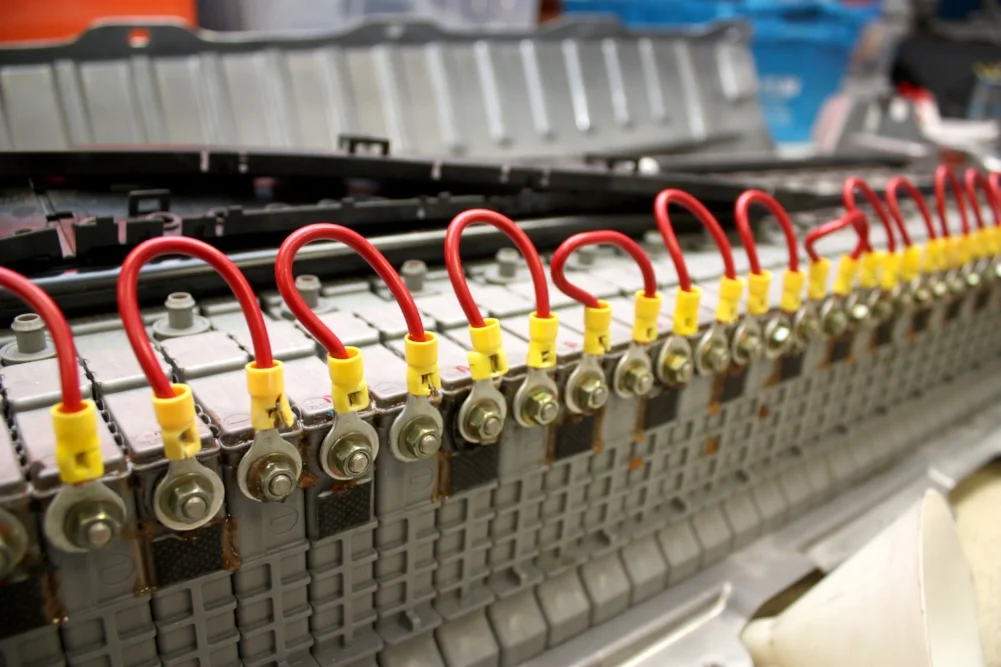
The realistic news: If the battery itself is failing, you’re looking at a more significant investment. Hybrid battery replacements can range from $1,000 to $4,000 depending on your vehicle . But that’s still cheaper than a new car – and your hybrid has plenty of life left in it.
The Bottom Line
P0B74 sounds technical and intimidating. But at its core, it’s just your hybrid saying: “Hey, I’m having trouble reading the voltage on one of my battery circuits. Can you get someone to check it out before this becomes a bigger problem?”
Don’t ignore it. A low voltage condition can stress other components and lead to more expensive repairs down the road .
Don’t DIY it. High-voltage systems are dangerous. Period.
Do bring it to a qualified hybrid technician. Let them run the diagnostics, track down the gremlin, and get your hybrid back to its efficient, eco-friendly self.