
Your scan tool says P3011.
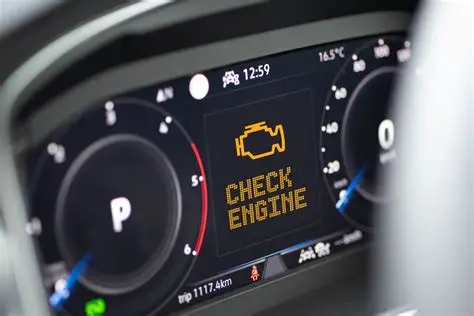
The check engine light is on.
The hybrid warning triangle is staring you in the face.
Then comes the part every hybrid owner dreads:
“You probably need a new hybrid battery.”
Maybe.
But maybe not.
P3011 is one of those trouble codes that scares people into opening their wallets before anyone has actually diagnosed the problem. Sometimes it does point to a failing battery module. Other times, the repair isn’t nearly as dramatic—or as expensive.
Before you agree to a repair bill with four digits on it, here’s what every hybrid owner should know.
P3011 Isn’t Speaking in Code—It’s Pointing Fingers
Unlike P3000, which simply says “something’s wrong with the hybrid battery system,” P3011 gets much more specific.
Think of your hybrid battery like a classroom full of students taking the same test.
Most students score around 90%.
But one student suddenly scores 52%.
Guess who gets the teacher’s attention?
That’s exactly what P3011 means.
The battery computer has noticed that Battery Block 1 isn’t behaving like the rest of the battery pack.
Notice what it doesn’t say.
It doesn’t say:
- Battery Block 1 is dead.
- Replace the entire battery pack.
- Your car is about to stop running.
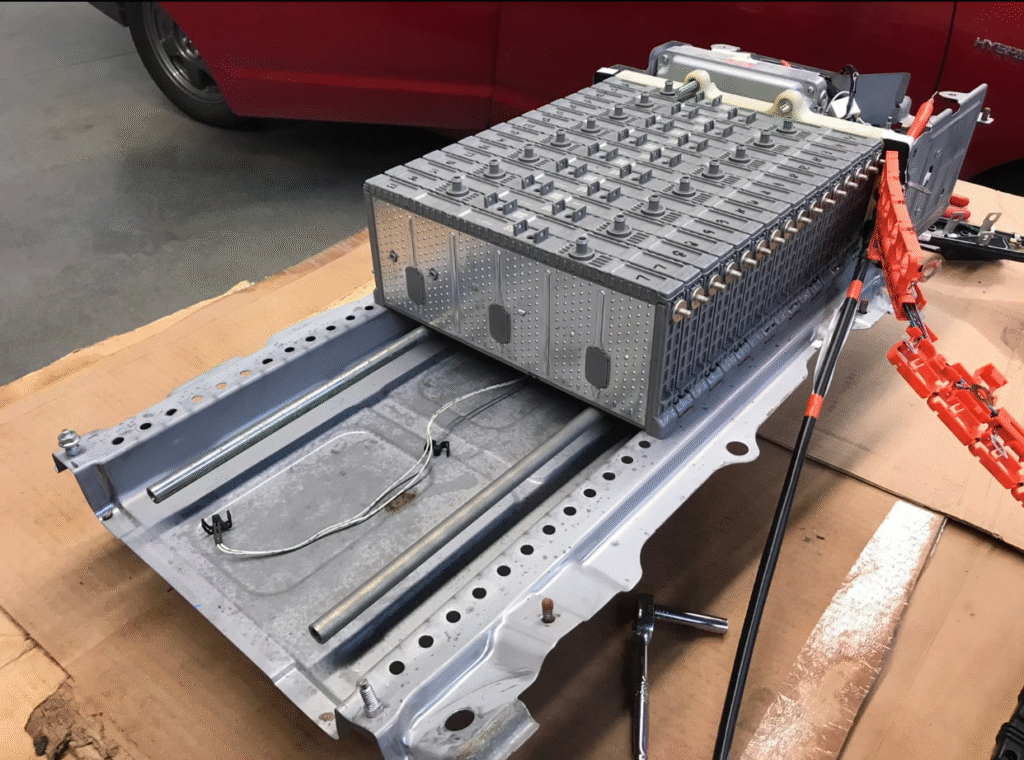
It simply says one section of the battery doesn’t look healthy compared to the others.
That’s an important difference.
Wait…What’s a “Battery Block”?
Here’s where many people get confused.
Your hybrid battery isn’t one giant battery.
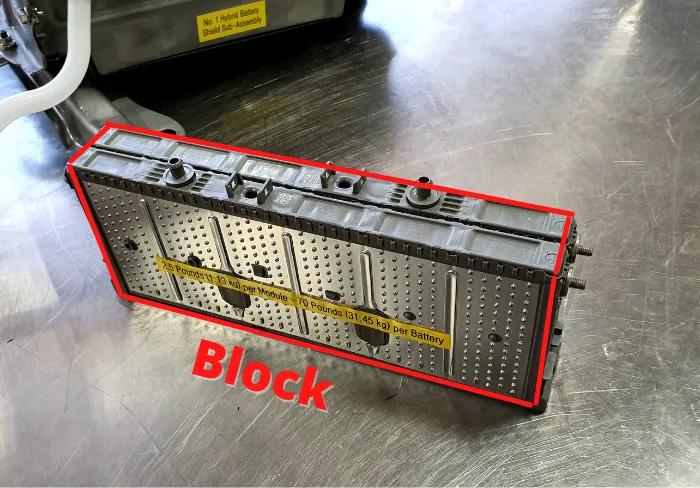
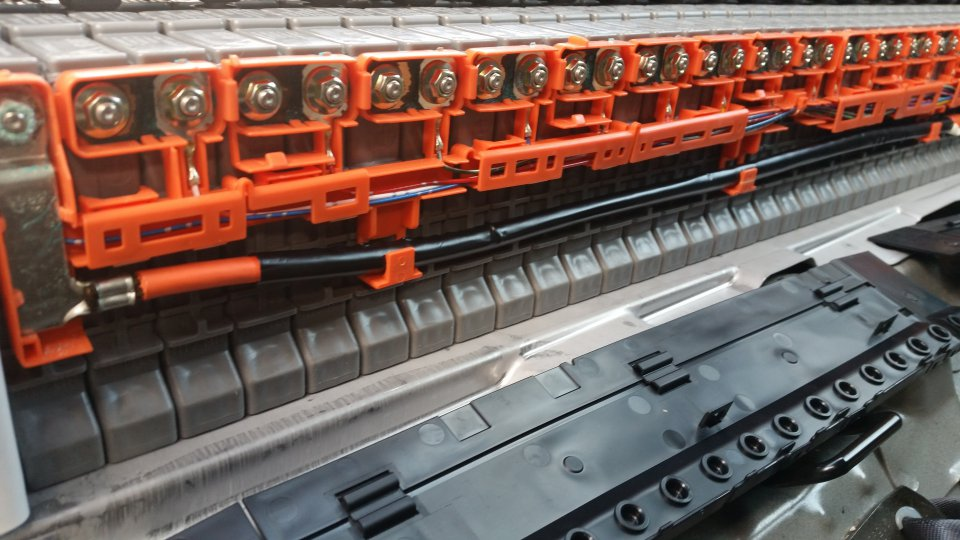
It’s made up of many smaller battery modules connected together.
Those modules are grouped into battery blocks that the car monitors individually.
Think of it like Christmas lights.
If one section of the string starts flickering, you don’t assume every bulb in the house is bad.
You investigate the section that’s acting up.
P3011 tells technicians exactly where to start looking.
The Fastest Way to Waste $3,000
Here’s a mistake that happens more often than you’d think.
A shop scans the car.
They see P3011.
They immediately recommend replacing the entire hybrid battery.
Sometimes that’s absolutely the correct repair.
Sometimes it isn’t.
A good technician doesn’t diagnose cars based on one code.
They verify.
They test.
They compare battery voltages.
They look at live data.
They check internal resistance.
They confirm the weak block is actually failing instead of simply reacting to another issue.
Diagnosis first.
Parts second.
That’s how professionals save customers money.
Yes, Block 1 Might Be Weak…But Ask “Why?”
Imagine your doctor tells you one arm feels weaker than the other.
Would they immediately recommend surgery?
Of course not.
They’d ask why.
The same logic applies here.
Battery Block 1 may show low voltage because:
- The battery module is wearing out.
- The battery has become unbalanced with age.
- Corrosion is affecting electrical connections.
- Heat has damaged part of the battery.
- The battery has spent years operating in extreme temperatures.
Finding the root cause matters far more than memorizing the code number.
Heat Is the Silent Battery Killer
Here’s something many hybrid owners never think about.
Your hybrid battery hates heat.
Imagine running a marathon while wearing a winter coat.
That’s how an overheated battery feels.
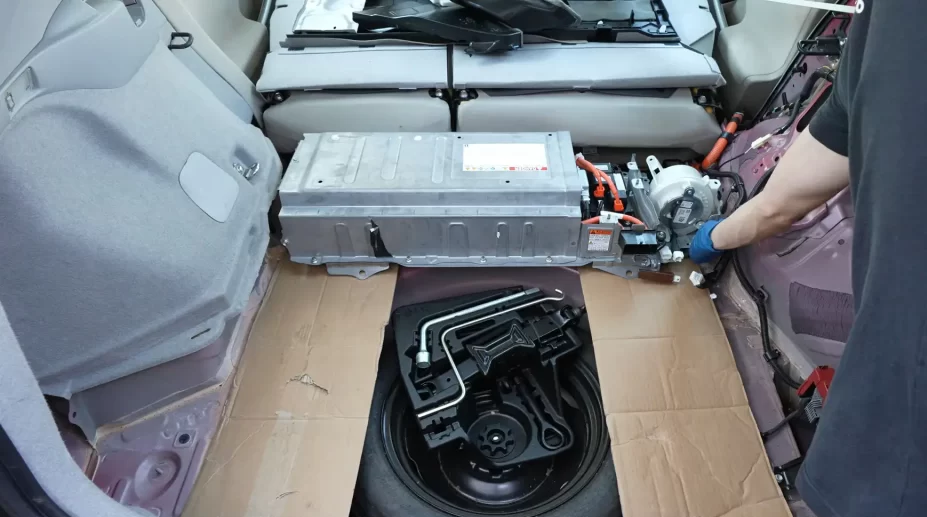
Toyota hybrids rely on cooling fans to pull air through the battery pack.
When those fans become clogged with pet hair, dust, lint, or debris, battery temperatures climb.
Heat speeds up battery aging.
Older battery modules weaken faster.
Voltage differences become larger.
Eventually, codes like P3011 begin to appear.
Sometimes the battery is already worn out.
Other times, poor cooling simply accelerated the process.
“But My Car Still Drives Fine!”
That’s actually pretty common.
Many hybrids continue driving with P3011.
You may notice:
- Worse fuel economy
- The gasoline engine running more often
- Less electric power
- Slower acceleration
- The battery charge meter jumping up and down faster than usual
The car is basically saying,
“I can still get you home…but something isn’t right.”
Ignoring the warning doesn’t usually make it disappear.
It often gives the weak battery block more opportunities to fall behind.
Can You Replace Just One Bad Module?
Now we’re getting into one of the biggest debates in hybrid repair.
Technically?
Yes.
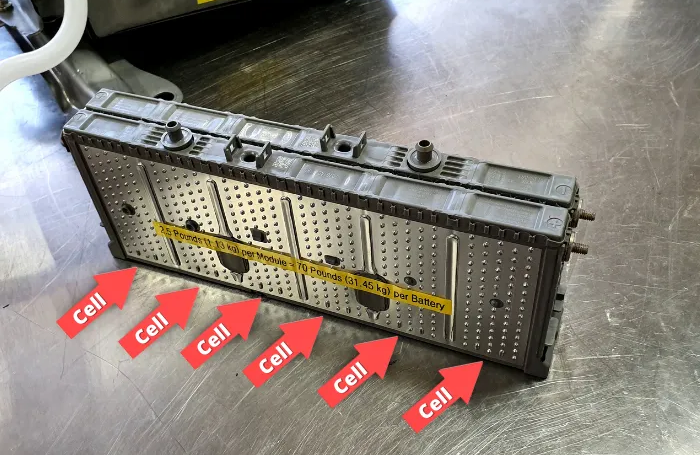
Many battery rebuilders replace individual weak modules.
But here’s the catch.
Imagine replacing one worn-out running shoe while keeping the other shoe you’ve used for 180,000 miles.
The new one performs differently.
The old ones keep aging.
Soon another module may fail.
That’s why some owners choose a rebuilt battery, while others prefer replacing the entire battery pack.
Neither choice is automatically right.
It depends on:
- Vehicle age
- Mileage
- Budget
- Overall battery condition
- How long you plan to keep the car
A trustworthy shop should explain these options instead of pushing only the most expensive repair.
Don’t Let These Sales Pitches Empty Your Wallet
If someone says:
“P3011 always means you need a new battery.”
That’s a red flag.
If someone says:
“We don’t need to test anything.”
Another red flag.
If someone can’t show you battery data…
Or explain why Block 1 failed…
Or discuss repair options…
Consider getting a second opinion.
Good technicians love data.
Bad technicians love assumptions.
What Smart Hybrid Owners Do Instead
If your scanner shows P3011, don’t panic.
Instead, ask these questions:
- Which battery block is showing abnormal readings?
- What are the voltage differences?
- Has the battery cooling system been inspected?
- Is this one weak block, or is the entire battery aging?
- What repair options are available?
- How long is the warranty?
The answers tell you far more than the code itself ever will.
P3011 Is a Clue, Not a Verdict
P3011 is actually one of the more helpful hybrid trouble codes.
Unlike general battery warnings, it tells technicians exactly where to begin their investigation.
But that’s all it does.
It doesn’t automatically mean your battery pack is finished.
It doesn’t automatically mean you need the most expensive repair.
And it definitely doesn’t mean you should approve a replacement before anyone performs proper testing.
The smartest hybrid owners know that trouble codes don’t diagnose cars—people do.
So if you ever see P3011, don’t ask,
“How much is a new battery?”
Ask,
“Can you show me the test results?”
That single question could save you hundreds—or even thousands—of dollars.