
Your dashboard just lit up. A mechanic reads the code and says “P0AA6.” Your brain might hear “electric doom.” But relax — what your car is really trying to say is more like, “Uh-oh, I’ve got a tiny, invisible leak. Could you help me fix it, please?” No drama, just a polite (and very safe) request for a little TLC. In this guide, we’ll explain what that leak is, why it matters, and how to make your hybrid happy again.
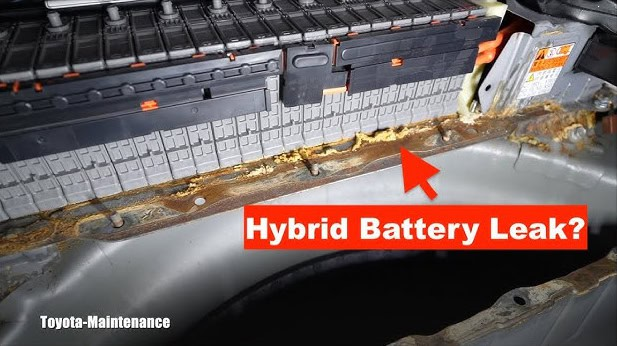
1. So, What Is P0AA6? (It’s Not a Monster)
Picture your hybrid’s high-voltage battery as a water balloon and the orange cables as the balloon’s skin. The electricity inside is supposed to stay completely sealed in — never touching the car’s metal body. P0AA6 is your car’s way of giggling nervously and whispering, “I think a single drop might be getting out.”
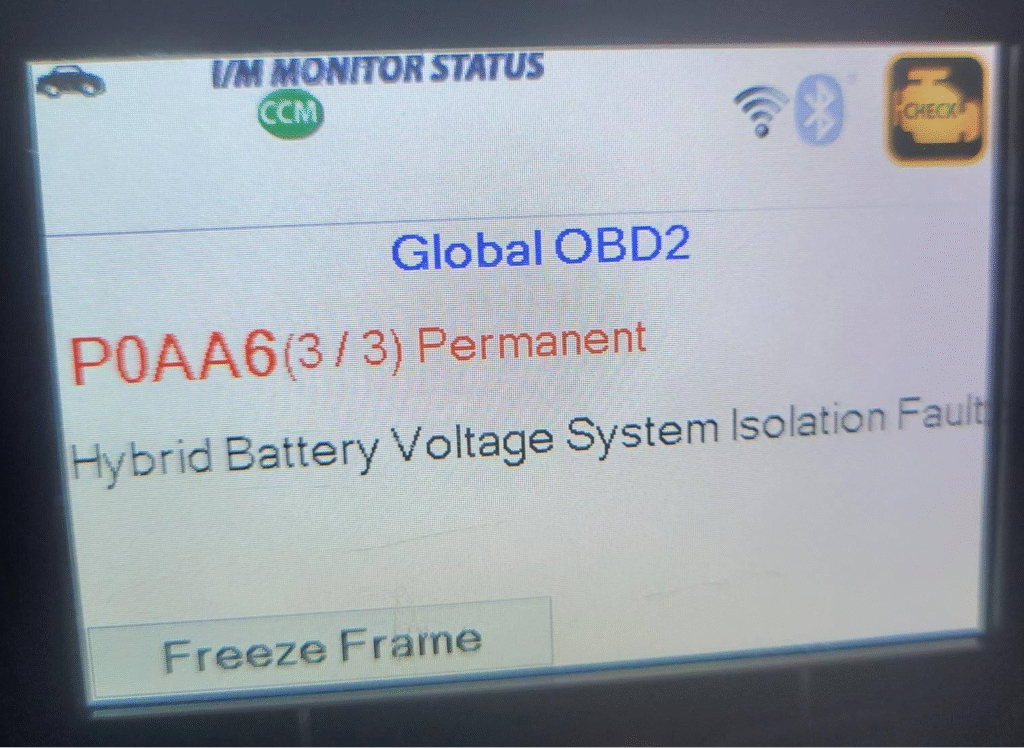
In technical terms, it’s a Hybrid Battery Voltage System Isolation Fault. But you can just call it a “tiny electrical leak.” The car’s safety brain constantly checks if the electricity is playing nicely inside its insulated home. When the insulation gets a weak spot, even the slightest trickle of current can trigger this code. Your car isn’t broken — it’s just being a little extra cautious, like a friend who triple-checks the front door.
2. Why the Car Gets So Serious (Safety First!)
Your home might have a circuit breaker to stop shocks; your hybrid has P0AA6. The battery’s voltage is strong — over 200 volts — so the car is designed to shut down the fun if it senses any current sneaking to the metal chassis. It’s like your car saying, “No way, I’m not letting anyone get a static zap on my watch!” The result? A warning light, maybe a “Check Hybrid System” message, and sometimes even a refusal to start. It’s not being dramatic; it’s just a super-protective robot.
3. Why Does This Sneaky Leak Happen?
The cause is rarely a big smash or a bite from a monster. It’s usually something small and a little silly:
- A bit of moisture inside the battery pack. Humidity over time can invite itself in like an uninvited guest.
- A tiny coolant dribble. Some hybrids use liquid cooling. A minuscule internal drip can dampen the insulation just enough.
- Salt and winter grime. Road salt is tasty for corrosion but mean to connectors. A salty coating can let electricity walk where it shouldn’t.
- A hidden crack in an orange cable. Maybe a naughty squirrel took a nibble, or a fender bender left a scratch you can’t see.
- Plain old aging. Just like a favorite rubber band, insulating materials can get tired and brittle after many years.
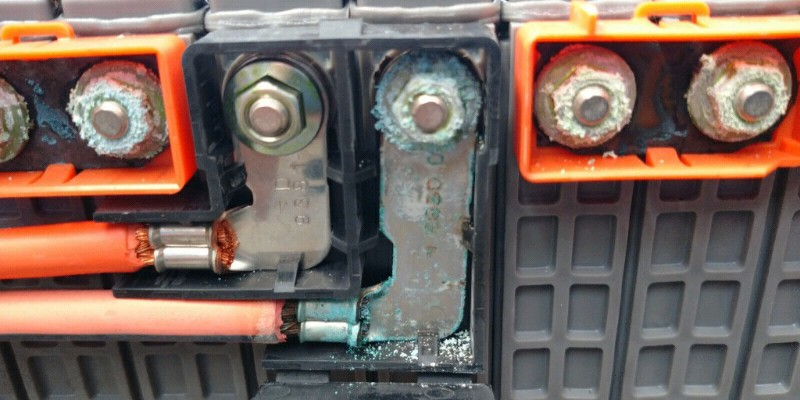
In almost every case, your car isn’t trying to ruin your day — it just got a tiny cold in its electric system.
4. What You’ll Notice (Besides the Glowing Light)
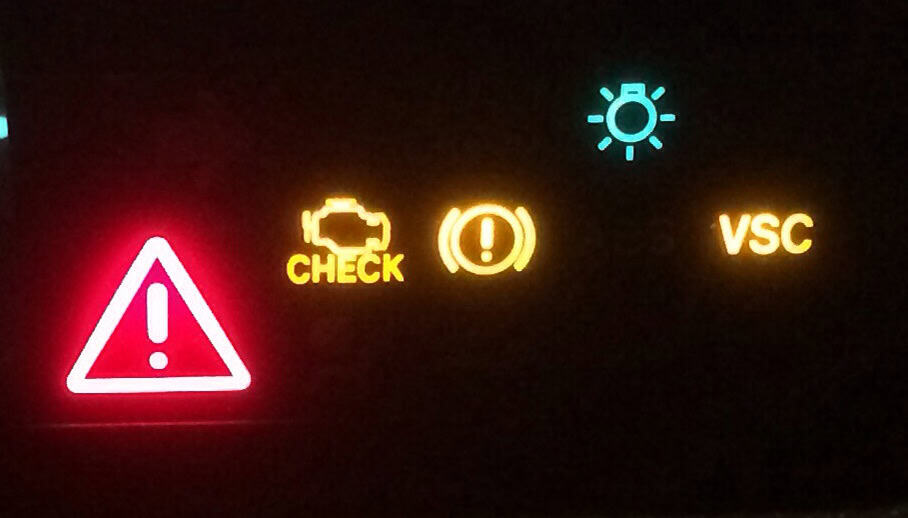
- The check engine light and a hybrid warning are the obvious tattletales.
- The car might politely decline to start (“Ready” mode refuses to appear).
- If it does start, it may feel sluggish, like it’s tiptoeing instead of sprinting.
- Rarely, you might see flickering dashboard screens — the electrical equivalent of a nervous hiccup.
- Important note: You could drive for days and feel nothing wrong. But that little leak will keep whispering “fix me,” so it’s best not to ignore it.
5. How Do We Find and Mend the Leak? (No Magic Required)
This job belongs to a trained hybrid technician — please don’t try it at home, since the orange cables hold a punch even when the car is off. But here’s what they do, step by friendly step:
Step 1 — Read the clue.
A scan tool says “P0AA6” and records the car’s state at that moment.
Step 2 — Test the insulation.
Using a megohmmeter (a tool that sounds like a robot’s name), the tech sends a tiny test voltage to see exactly how much current is sneaking to the chassis.
Step 3 — Play detective.
They disconnect parts of the high‑voltage system one at a time until they point to the leaky component — maybe the battery pack itself, the inverter, or a cable.
Step 4 — Make it happy again.
The fix can be as simple as drying a connector with a careful wipe or as serious as replacing a leaking battery module or a damaged cable. If the inside of the battery pack is damp, the specialist opens it, cleans everything, dries it gently, and seals it with a hug.
Step 5 — Double-check.
After the repair, the insulation resistance must be strong and snug again, and a test drive proves the code stays asleep.
6. How to Keep Your Hybrid Smiling and Leak–Free
You can’t bubble-wrap your car, but a few tiny habits keep the P0AA6 gremlin far away:
Wash away winter salt.
A gentle underbody rinse every now and then keeps connectors fresh.
Peek for dampness.
If you ever notice wet carpets near the rear seat or trunk, get it checked — water and batteries don’t mix.
Don’t ignore shy warnings.
If a light blinks once and disappears, scan the car. A very small insulation dip caught early is a hero move.
Park away from hungry critters.
Squirrels and mice sometimes find orange cables delicious. Avoid known rodent zones.
Inspect after bumps.
Even a tiny parking-lot tap can hide a cable crack that shows up months later.
Annual check-up.
During a hybrid health visit, ask your tech for a quick insulation test. It’s fast and gives your car a gold star for safety.
P0AA6 is not a monster under the hood. It’s just your car’s super‑cautious side speaking up: “Psst — I think I’ve got a teeny leak. Let’s fix it before it becomes a big deal.” Once a skilled technician dries, cleans, or replaces the leaky bit, your hybrid will happily hum back to its efficient, quiet self.
Think of it as a wellness check for your car’s electric heartbeat. With a little love and the right care, your hybrid can keep rolling along, saving fuel and making you smile mile after mile.
Yast is Hybrid Car Battery Supplier, We offer Ni-Mh/Lithium/EV Battery, If you are interested in hybrid car battery business, welcome to contact us directly.