
In the late 1990s, Toyota set out to change the automotive industry forever with the launch of the Prius, the world’s first mass-produced hybrid vehicle. While much of the attention was focused on the groundbreaking technology of the hybrid powertrain itself, one often overlooked component played a crucial role in making the Prius a success: the 7.2V battery.
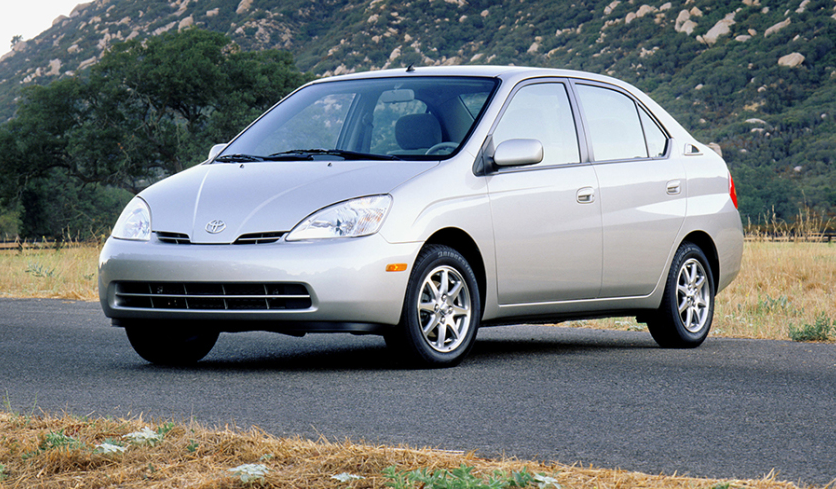
Before diving into the specifics of Toyota’s 7.2V battery, it’s important to understand the significance of the Prius. The introduction of the Prius in 1997 marked the beginning of the hybrid revolution. The idea was simple but ambitious: combine a traditional gasoline engine with an electric motor to improve fuel efficiency and reduce emissions. However, to make this system work efficiently, Toyota needed a battery that could not only store and release electrical energy, but also withstand the rigors of everyday driving.
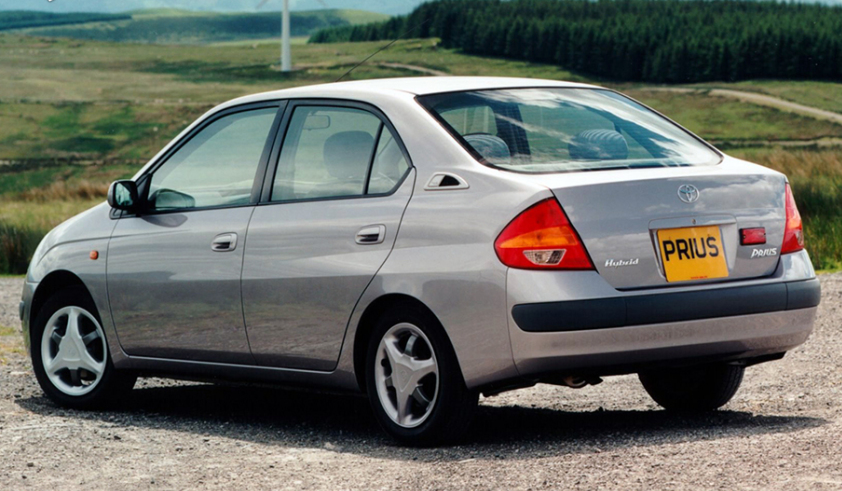
This led to the creation of the 7.2V nickel-metal hydride (NiMH) battery, which became a cornerstone of Toyota’s hybrid technology. At the time, electric vehicles were still in their infancy, and hybrid technology was seen as an experimental endeavor. Most electric vehicles relied on lead-acid batteries, which were bulky, inefficient, and short-lived. The 7.2V NiMH battery offered a solution to these challenges by providing a higher energy density, longer lifespan, and better efficiency than its predecessors.
When Toyota first introduced the Prius, the 7.2V NiMH battery was state-of-the-art. It allowed the car to drive short distances on electricity alone, while the gasoline engine kicked in when the battery needed to be recharged. This innovation was pivotal in achieving the Prius’s impressive fuel economy figures, which were groundbreaking at the time.
The 7.2V battery also played a critical role in the development of Toyota’s hybrid system. It was not just a power source but also an integral part of the vehicle’s regenerative braking system. Regenerative braking is a technology that captures energy during braking and converts it back into electrical energy, which is then stored in the battery. The 7.2V battery’s ability to quickly absorb and release energy made this system viable, allowing the Prius to recover energy that would have otherwise been wasted.
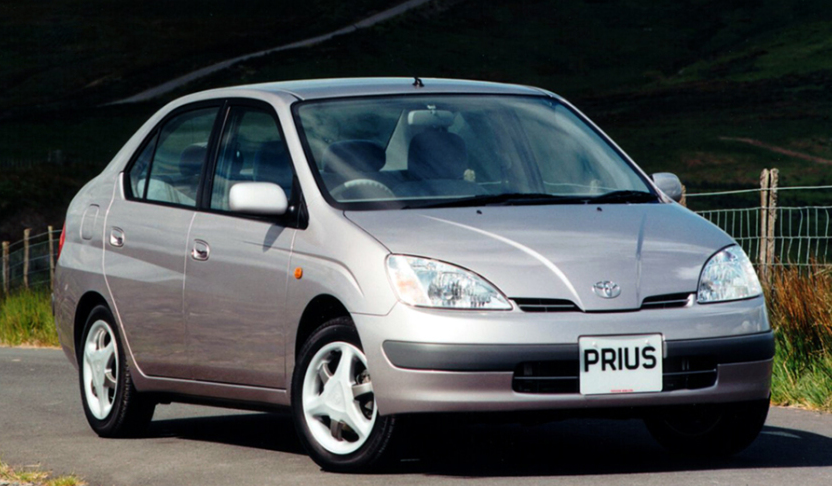
In the early years, Toyota’s hybrid technology was not without its critics. Many questioned whether hybrid vehicles could ever compete with traditional gasoline-powered cars in terms of performance and cost. However, Toyota’s persistence and commitment to innovation paid off, and by the early 2000s, the Prius had become a symbol of environmental consciousness and forward-thinking engineering. The 7.2V battery, while not a household name, was quietly working behind the scenes to make this all possible.
The Rise of Hybrid Vehicles
As Toyota’s hybrid technology gained traction, other automakers began to take notice. The success of the Prius helped pave the way for the development of other hybrid vehicles, including the Honda Insight and the Ford Escape Hybrid. These vehicles, like the Prius, relied on battery technology to power the electric motor and improve fuel efficiency. However, Toyota’s 7.2V battery remained one of the most advanced and reliable options available.
In 2003, Toyota introduced the second-generation Prius, which featured improvements to the hybrid powertrain, including a more efficient 7.2V battery. This version of the Prius also included a more refined regenerative braking system, which further increased fuel efficiency. The 7.2V battery was instrumental in achieving these gains, continuing its role as the backbone of Toyota’s hybrid technology.
The success of the Prius and the 7.2V battery marked the beginning of a new era in automotive history. Hybrid vehicles, once considered a niche market, were now becoming mainstream. The 7.2V battery, while not often discussed in the media, had become a key enabler of this transformation. Its impact was felt not only in the automotive industry but also in the global conversation about climate change and the future of transportation.
The Legacy of Toyota’s 7.2V Battery
As hybrid technology continued to evolve, so too did the 7.2V battery. Toyota’s commitment to improving its battery technology led to the development of more advanced versions of the 7.2V NiMH battery, with increased capacity, longer lifespan, and better overall performance. This continuous innovation helped Toyota maintain its leadership position in the hybrid market.
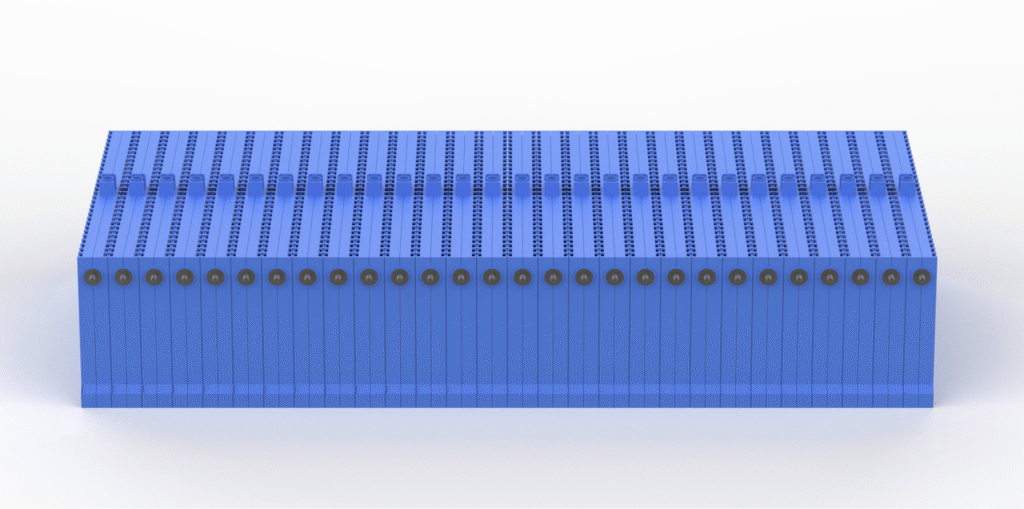
Today, Toyota’s hybrid fleet includes a wide range of vehicles, from the compact Prius to the luxury Lexus hybrid models. The 7.2V battery may no longer be the cutting-edge technology it once was, but its role in the development of hybrid vehicles cannot be overstated. Without the 7.2V battery, Toyota’s hybrid revolution may never have come to fruition.
As we look back on the history of Toyota’s hybrid technology, it’s clear that the 7.2V battery played a pivotal role in shaping the future of automotive transportation. The Prius, with its innovative hybrid system and groundbreaking 7.2V battery, helped usher in an era of cleaner, more efficient vehicles. And while newer technologies like lithium-ion batteries have since taken the spotlight, the 7.2V battery remains an integral part of Toyota’s legacy.
To be continued in Pt. 2…